By Jonas Nyasulu:
Malawi University of Science and Technology (Must) in Thyolo over the weekend inaugurated its two-day Cultural and Research Innovations Festival which made a statement that science and culture “cannot be separated”.
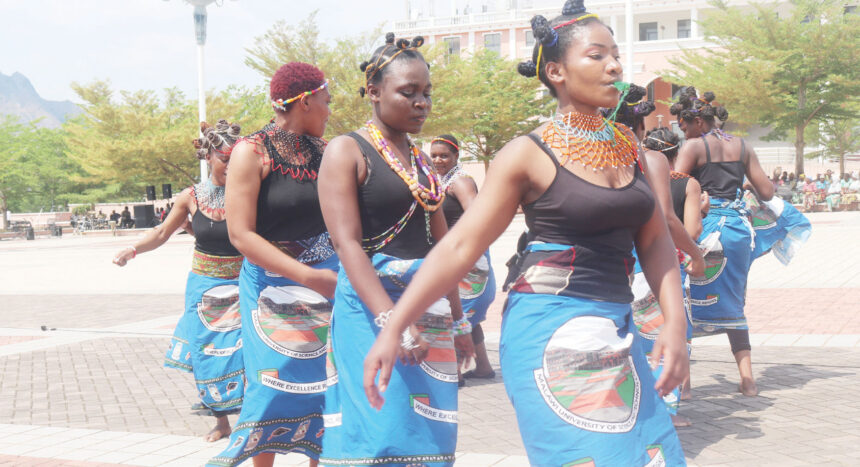
The festival, which will be taking place annually in the month of September, brought all the fun as people sampled innovations, music and traditional dances, among others.
Displayed works included ceramics, drawings and paintings and science innovations.
Running under the theme ‘Cultural Heritage for Sustainable Development’, the festival, that attracted people from all walks of life, kicked off on Friday and ended on Saturday.
- Advertisement -
On the first day, patrons also had a chance of appreciating traditional foods such as chidede and thobwa as well as clothes which were on display.
The audience on the first day also relished traditional dances such as Tchopa and Gule Wamkulu as well as other artistic performances such as poetry and storytelling.
Must Orchestra and Ulimba Band from Chikwawa were some of the groups that performed on the first day.
Festival chairperson Jerry Rutsate described Must as a unique university that mixes technology and culture, which, he said, is a recipe for accelerating national development.
- Advertisement -
- Advertisement -
“Culture is a vital tool for scaling up development. We as a people have great potential and our indigenous knowledge has been sidelined for so long. We need to rise up and reclaim our space,” Rutsate said.
Director of Bingu School of Culture and Heritage at Must, Atikonda Mtenje Mkochi, said the festival is all about creating a synergy between technology and culture.
“Today, science has met culture. Science is for people, but for it to fully benefit them, we need to know their culture and any education, research and innovations should be people-centred,” Mtenje Mkochi said.
Must Deputy Vice Chancellor Professor Jonathan Makuwira said by bringing together science, technology and culture through the festival, the university is aligning itself to the Malawi 2063 development blueprint.
“Through the cultural displays and innovations, students and others who have made various innovations have proved that they can set up their own industries and create employment,” Makuwira said.
The second day also gave people a buffet of activities with the top highlights being performances from ethno-musician Waliko Makhala and Local Girl Keturah.