By Deogratias Mmana:
Art once again proved its significance when it enriched the celebration of this year’s World Wildlife Day organised by Lilongwe Wildlife Trust at Wildlife Centre on Saturday.
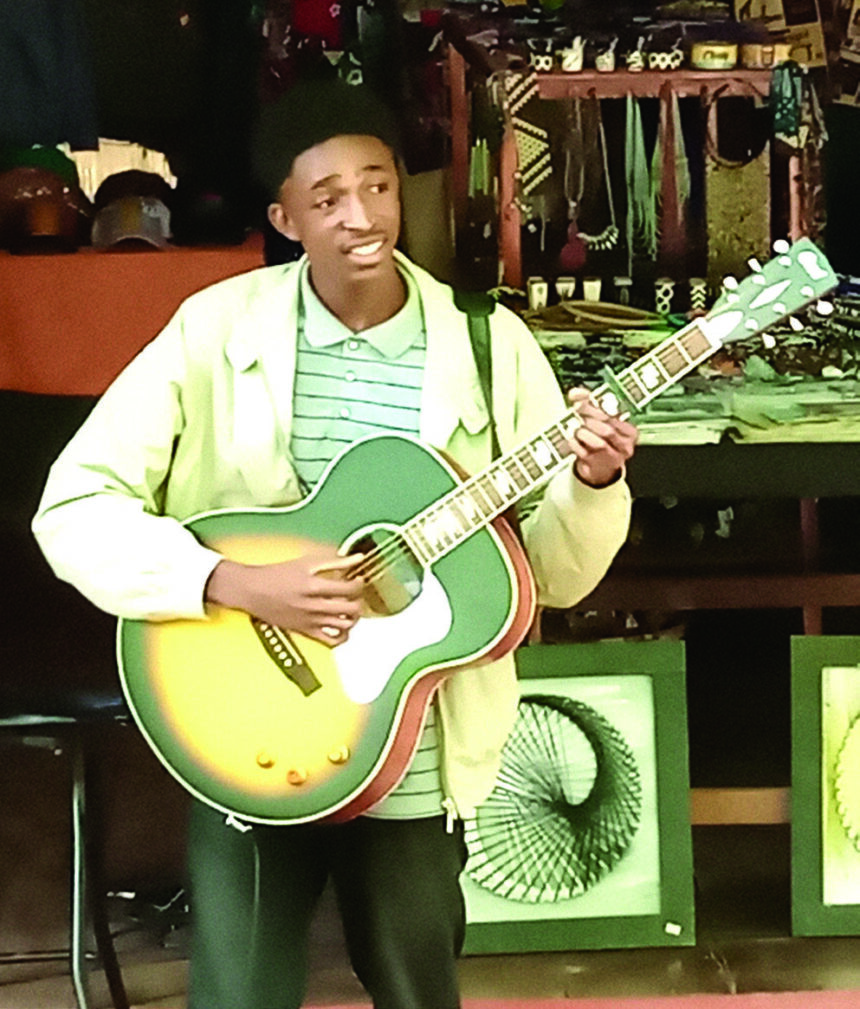
The days’ activities came under a poetry picnic which included kids’ poetry workshop and recitals as well music and crafts.
Patrons were taken through the Lilongwe Wildlife sanctuary to appreciate wildlife as they celebrated the day under the theme ‘Connecting People and Planet: Exploring Digital Innovation in Wildlife Conservation’.
World Wildlife Day is celebrated on March 3, which is the birthday of the Convention on International Trade in Endangered Species of Wild Fauna and Flora (CITES) which was signed in 1973.
- Advertisement -
CITES is an international agreement between governments and its aim is to ensure that international trade in specimens of wild animals and plants does not threaten the survival of the species.
Campaigns manager for Lilongwe Wildlife Trust Samantha Nampuntha said Malawi is embracing technology in the fight against illegal wildlife trade and that the Department of National Parks and Wildlife with partners have established Malawi’s first wildlife forensic lab.
“The new facility bands together the United Kingdom and Malawi teams, by sharing world-leading knowledge of the latest evidence-collection and analysis techniques along with training local scientists on the ground to help prosecute wildlife offenders,” Nampuntha said.
She said Malawi is exploring using drones in the protection of wildlife animals.
- Advertisement -
- Advertisement -
Nampuntha said the drones will be used in the national parks and wildlife reserves of Nyika, Kasungu, Nkhotakota, Majete, Vwaza, Liwonde and other elephant wildlife reserves.
“The drones are there to increase patrolling efficiency to reduce the numbers of animals poached in the country’s protected areas,” she said.
According to Nampuntha, Malawi has diverse species which includes 207 mammals, 658 birds, 108 reptiles, 56 amphibians, over 1,500 fish species and more diverse plant species.
“Art and wildlife go together, and this is why we had various activities including poetry and music,” she said.