By Benadetta Chiwanda Mia:
Malawi and other countries within the sub-Saharan African region continue to face a complex economic landscape, with persistent vulnerabilities affecting growth prospects, the International Monetary Fund (IMF) has said.
In its October 2024 Economic Outlook for sub-Saharan Africa, the fund notes that while numerous countries have implemented policy adjustments to reduce internal and external imbalances, approximately half of the countries in the region, including Malawi, still face significant economic challenges.
As a result, regional growth is projected to modestly rise to 4.2 percent in 2025.
The IMF identifies three primary obstacles hindering the region’s efforts to remedy these imbalances and they include sluggish growth, financing constraints and socio-economic pressures stemming from poverty, governance issues and the rising cost of living.
- Advertisement -
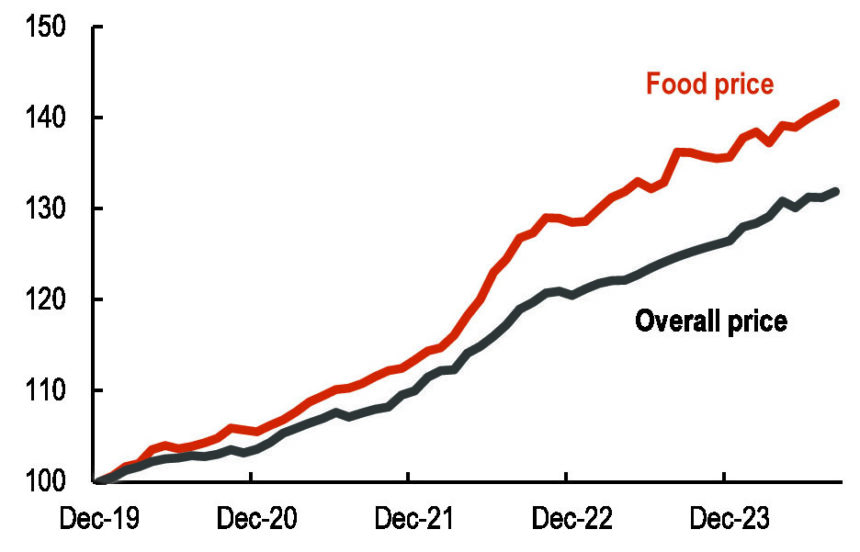
“Complex pressures stemming from high poverty, lack of inclusion and job opportunities and weak governance—compounded by rising living costs and short-term macroeconomic adjustments—are causing significant hardships in many countries,” the report reads.
The report adds that social frustration and political pressures are making it increasingly difficult for governments to implement necessary reforms.
It says governments face a challenging balancing act in reducing macroeconomic vulnerabilities while addressing development needs.
The fund advises countries with high imbalances to pursue substantial and front loaded fiscal policy adjustments, considering tight financing constraints.
- Advertisement -
- Advertisement -
Conversely, the IMF suggests that countries with moderate imbalances might consider gradual policy implementation while low-imbalance countries should focus on rebuilding fiscal and external buffers.
To garner public support, the IMF stresses the importance of protecting vulnerable populations and generating job opportunities through reforms. Improved communication, governance.
It adds that efforts that promote economic diversification and inclusion can mitigate vulnerabilities and foster stability, especially for women.

Speaking at the opening of the Economics Association of Malawi (Ecama) annual conference last week, Minister of Finance Simplex Chithyola Banda conceded that the economy faced myriad challenges but efforts were deployed towards recovery and growth.
On her part, Ecama President Bertha Chikadza emphasised the extensive efforts needed to overcome the macroeconomic imbalances that are hindering Malawi’s development, growth and poverty alleviation.
However, she cautions against implementing extensive fiscal adjustment measures, such as broadening the tax base and enhancing progressive taxes too rapidly, as they might result in short-term economic challenges such as reduced disposable incomes and increased costs for businesses.
“This approach can slow economic growth and temporarily increase unemployment. While these measures are important, political and social challenges continue to derail progress. We need strong political will and effective communication to secure public support,” Chikadza said. Another economic expert Marvin Banda concurred with the outlook, noting that Malawi’s expenditure in response to such challenges positioned it as the fifth highest in sub-Saharan Africa, surpassing the regional average by more than 20 percent.