





By using this site, you agree to the Privacy Policy.
Accept
The Times GroupThe Times Group
  • Home
  • National
    National
    Get the latest National News from your trusted source.
    Show More
    Top News
    Inquiry probes phone records
    August 25, 2026
    Passport printing resumes in Blantyre
    July 10, 2024
    Ex-aviation authority chief exposes airport safety gaps
    September 3, 2026
    Latest News
    MPS targets 27,000 officers in five years
    November 24, 2026
    26 Malawians secure scholarships in Morocco
    November 24, 2026
    Kabaza accidents rise by 11 percent
    November 24, 2026
    Peter Mutharika address calls grow
    November 24, 2026
  • Business
    Business
    Breaking news and analysis on business and the economy, including the latest news in technology, stock markets, media and finance.
    Show More
    Top News
    Horticulture exports surge
    January 6, 2025
    MCCCI pushes for tax policy reforms
    January 17, 2025
    MCTU demands action on labour law violations
    January 30, 2025
    Latest News
    SMEs face financing gaps
    November 24, 2026
    NBM Development Bank takes SME support beyond financing
    November 24, 2026
    FDI projected to grow by 168.5%
    November 24, 2026
    Malawi earns $53.5 million from gold exports in August
    November 23, 2026
  • Entertainment
    Entertainment
    Your source for entertainment news, celebrities, celeb news, and celebrity gossip. Check out the hottest fashion, photos, movies and TV shows!
    Show More
    Top News
    Thlupego Chisiza to be laid to rest today
    June 19, 2023
    Suffix to star for Malawi in Germany
    July 12, 2023
    All set for Malawi Has Talent elimination show
    July 28, 2023
    Latest News
    Malawi gears for creatives forum
    November 24, 2026
    Music conquers night at WinnaBet gig
    November 23, 2026
    Phil Touch gets legends salute
    November 20, 2026
    Wendy resurfaces with message of hope
    November 19, 2026
  • Sports
    Sports
    Keeping you up to date on the latest sports news from Malawi and around the World. With live scores, fixtures from world of Football, Netball,…
    Show More
    Top News
    Malawi Beach Soccer start Afcon with loss
    October 21, 2024
    Scorchers start march towards retaining Cosafa glory
    October 31, 2024
    Mighty Mukuru Wanderers maul Mighty Tigers, keep title hopes alive
    November 11, 2024
    Latest News
    Hustlers face Afcon test
    November 24, 2026
    Paul Chidale retains SeedCo Open golf title in Lilongwe
    November 24, 2026
    Police prescribe fix for BNS gate leaks
    November 24, 2026
    Temwa Chawinga revels in first NWSL Title
    November 23, 2026
  • fyi
Search
More Categories
  • World
  • Features
  • Leisure
  • Social and Human interest
  • Digital & Technology
  • Advertise
  • About Us
  • Privacy Policy
  • Contact Us
© Copyright 2026, The Times Group. All Rights Reserved.
Reading: Decoupling political independence from economic independence
Share
Sign In
0

No products in the cart.

Notification Show More
Latest News
MPS targets 27,000 officers in five years
National
26 Malawians secure scholarships in Morocco
National
SMEs face financing gaps
Business
Hustlers face Afcon test
Sports
Katapila: the loan that eats the harvest
Features
Aa
The Times GroupThe Times Group
0
Aa
Search
  • Home
  • National
  • Business
  • Sports
  • Entertainment
  • Features
  • World
  • Digital & Technology
  • Leisure
  • Social and Human interest
  • Times Radio
  • Read e-Paper
  • Exclusive Content
  • Dzuka Publishing Company Limited
Have an existing account? Sign In
Follow US
  • Advertise
  • About Us
  • Privacy Policy
  • Contact Us
© Copyright 2026, Times Group Media. All Rights Reserved.
The Times Group > Blog > Business > Decoupling political independence from economic independence
Business

Decoupling political independence from economic independence

Times News
Last updated: 2023/11/01 at 10:00 AM
Times News
Share
7 Min Read
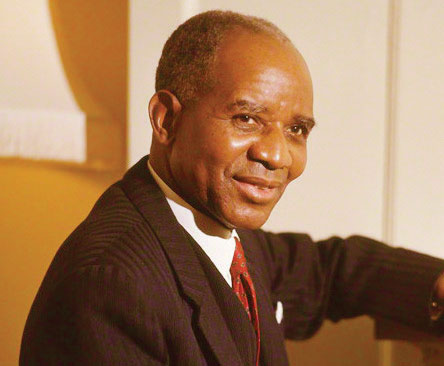
INSTRUMENTAL – Kamuzu Banda was president from independence to 1994
SHARE
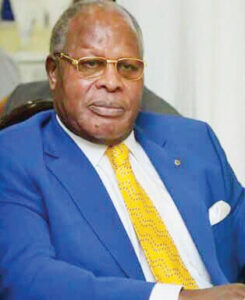
LED FROM 1994 TO 2004 – Bakili Muluzi

By Donasius Pathera, PhD:

The process of achieving economic independence often lags behind political independence, particularly in regions like sub-Saharan Africa.

Post-colonial states in Africa frequently find themselves still entangled in a colonial economic system, which is a significant impediment to their economic development. This transition from a colonial economy to a modern global capitalist system necessitates the establishment of domestic institutions that can facilitate growth and sustainability within the state.

Developed western nations have attempted to assist emerging states in this transition by providing foreign aid for various purposes, such as addressing hunger, building infrastructure and supporting nascent democracies. However, this reliance on foreign aid perpetuates dependency and is, in some ways, is akin to the colonial system, as it does not steer developing states toward the establishment of strong institutions and economic self-sufficiency.

Political independence is symbolised by ceremonies and agreements, but its economic counterpart takes much longer to materialise. In the case of sub-Saharan Africa, the transition from a colonial economy to a stable position in the global economy has been slow and often elusive. The colonial economic system, as explained by scholars like Immanuel Wallerstein and Niall Ferguson, was based on dependency and the exploitation of colonial resources, and it did not promote the interests of the colonised states. In contrast, a successful state’s economy should be driven by its own interests and the welfare of its citizens, as advocated by T. E. Gregory.

- Advertisement -
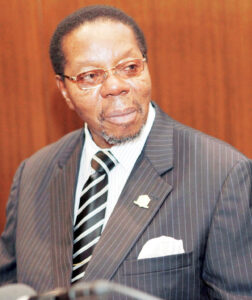
LED FROM 2004 TO 2012 – Bingu Wa Mutharika

Foreign aid is often seen as a solution to the economic challenges facing emerging African economies and governments. Figures like Dambisa Moyo, William Easterly and Paul Collier attribute Africa’s poor growth performance over the past six decades to factors like inadequate government institutions, flawed domestic development policies, and an ongoing cycle of violence. They argue that the misunderstanding of the path from colonial to capitalist economies and liberal government systems perpetuates dependency and does not address the root causes of underdevelopment.

The structural issues contributing to Africa’s development challenges have been debated extensively. However, most proposed solutions are often too general and fail to account for the unique circumstances of individual states. Aid and growth plans offered by developed nations typically do not prioritise the growth and sustainability of domestic institutions and economies. To enable sub-Saharan Africa to transition successfully from colonial economies and achieve stability in the global economy, several key elements need to be addressed. These include the need for a self-sustaining agriculture industry capable of feeding the population, the growth of effective government institutions, and improved access to education. Only then can Africa begin the journey from colonial dependency to a more stable global position.

The colonial empires of the 18th and 19th centuries were economic powerhouses focused on resource extraction and wealth accumulation for the imperial centres. Colonies served as resource suppliers and contributed to the economic strength of the empires.

This was largely due to the necessity of funding territorial and dynastic conflicts in Europe, as wars required substantial financial resources.

- Advertisement -

The economic development of colonies was aimed at enriching the imperial government, often at the expense of the colony itself. The consequences of this colonial economic system can be described by Immanuel Wallerstein as the “world capitalist system”, which benefits a core group of wealthy, industrialised states at the expense of resource-producing states or colonies.

The lack of investment in Africa, especially in British-controlled territories, after the partition of Africa in the late 19th century is another factor that hindered economic development. Despite controlling a significant portion of the continent, British investment in Africa was minimal. This lack of investment in infrastructure and economic development was a problem that would later affect Africa when it gained political independence.

LED FROM 2012 TO 2014 – Joyce Banda

The perpetuation of the colonial economic system in Africa is, to some extent, continued through foreign aid provided by developed nations. Despite achieving political independence, many African states are still reliant on foreign aid. The aid has often been mismanaged or diverted for purposes other than originally intended. Corruption within African governments exacerbates the problem. Developed nations funnel aid into corrupt governments, which have little incentive to improve the economic situation of the state. Instead, they prioritise retaining power and redistributing resources to maintain support, perpetuating a cycle of corruption.

The ongoing provision of aid also contributes to the problem. Aid flows continue without a clear endpoint, which reinforces the status quo and the cycle of dependency. The aid culture in Africa has persisted for decades, unlike successful post-World War II aid programmes like the Marshall Plan, which had specific goals and a defined timeframe.

The lack of institutional development and investment in Africa can be attributed to several factors, including geographic considerations. The presence of institutions and the success of a state are affected by the suitability of the region for settlement and agriculture. Areas conducive to European settlement were more likely to develop institutional structures, while those earmarked for resource extraction remained underdeveloped.

You Might Also Like

SMEs face financing gaps

NBM Development Bank takes SME support beyond financing

FDI projected to grow by 168.5%

Malawi earns $53.5 million from gold exports in August

Four more toll gates in offing

TAGGED: Bakili Muluzi, Bingu wa Mutharika, World War II

Sign Up For Daily Newsletter

Be keep up! Get the latest breaking news delivered straight to your inbox.

By signing up, you agree to our Terms of Use and acknowledge the data practices in our Privacy Policy. You may unsubscribe at any time.
Times News November 1, 2023
Share this Article
Facebook Twitter Copy Link Print
Share
Previous Article Lazarus Chakwera pledges support to youths
Next Article Egenco explores geothermal sources
Leave a comment Leave a comment

Click here to cancel reply.

Please Login to Comment.

Stay Connected

554.5k Followers Like
120.8k Followers Follow
5.5k Followers Follow
28.6k Subscribers Subscribe

Latest News

MPS targets 27,000 officers in five years
National November 24, 2026
26 Malawians secure scholarships in Morocco
National November 24, 2026
SMEs face financing gaps
Business November 24, 2026
Hustlers face Afcon test
Sports November 24, 2026
//

The Times Group is a multi-award winning media group and the only 360 media house in Malawi.

About Us

  • Company Profile
  • Rate Cards
  • Vacancies
  • Privacy Policy
  • Contact Us

Quick Links

  • e-Edition
  • Times Radio
  • Subscribe for Exclusive Content
  • Submit a Story
The Times GroupThe Times Group
Follow US

© Copyright 2026, The Times Group. All Rights Reserved.

  • Advertise
  • About Us
  • Privacy Policy
  • Contact Us

Removed from reading list

Undo
Welcome Back!

Sign in to your account

Lost your password?
