The United Nations (UN) has challenged newly elected members of Parliament (MPs) to take the lead in driving economic reforms, warning that the country is teetering on the edge of a deeper financial crisis.
Delivering a keynote address during the opening of an orientation meeting for the new legislators in Lilongwe yesterday, UN Resident Coordinator Rebecca Addah- Dontoh said resolving the economic crisis was key to securing Malawi’s future.
She said Malawi was facing one of its most challenging economic episodes in recent history, with the World Bank describing it as a “…deep and protracted crisis marked by elevated inflation, declining living standards, and high rates of food insecurity”.
She said the current annual budget deficit stands at more than 10 percent of gross domestic product (GDP) while public debt is hovering around 88 percent of GDP.
She told the new lawmakers that the International Monetary Fund (IMF) has further highlighted the need for urgent fiscal consolidation to restore macroeconomic stability, particularly through strengthening domestic revenue mobilisation.
- Advertisement -
In addition, Addah-Dontoh said the country continued to grapple with persistent foreign exchange and fuel shortages, which she said were further constraining economic activity and household welfare.
Addah-Dontoh observed that the recent election was a clear signal for change from the people of Malawi.
“Urgent implementation of reforms is required to ensure Malawi is on a sustainable economic and fiscal path. At the same time, decisive and immediate actions are required to avert a severe economic crisis.
“The citizens of Malawi sent a clear message in this most recent election [September 16, 2025]– fix the economy. You, as MPs and all leaders of the country, must quickly understand the challenges faced by Malawians and work very quickly to find solutions to the problems citizens face every day.
- Advertisement -
- Advertisement -
“Your role will be pivotal not only in enacting the necessary legislation to strengthen the country’s economic governance, but also in exercising effective oversight as government works to restore confidence and stability in the national economy. All of this must be done with an eye to ensuring that the views and perspectives of the citizens who elected you are taken into consideration as such reforms are rolled out,” she said.
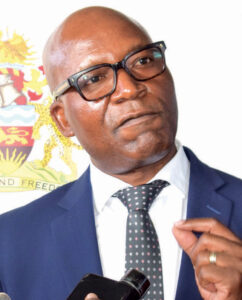
African Institute for Development Policy (Afidep) Executive Director Eliya Msiyaphazi Zulu told the lawmakers that their term was starting when Malawi was at a crossroads on many fronts and needed profound renewal and transformation.
Zulu said through the just-concluded general election, Malawians expressed a clear desire for real change in the way development business is conducted.
The Afidep chief said persistent food insecurity, stunted economic growth, low creation of quality jobs and livelihoods and dependence on the government for daily needs by millions of Malawians has led some development experts to suggest that the country should be classified as a humanitarian case.
“Yet Malawi has abundant natural resources, including minerals, and a vibrant youthful population that can engineer sustainable socioeconomic transformation if the right investments in education, skill development and economic empowerment are made can be made through the demographic dividend.
“Just pause for a moment and consider that the population of 22 million people is projected to grow by about 68 percent to 37 million by 2050 and 44 million by 2063. This trend should prompt us all to take accelerated action to ensure sustainable development and inclusive prosperity,” he said.
Zulu said improving access and quality of education, promoting universal healthcare, ensuring food security and creating adequate jobs and livelihoods would be harder, adding that Malawi would have to double or triple current efforts.
He said Parliament could play a critical role in shaping the country’s development destiny if the current cohort decided to walk the talk through their oversight, legislation and representation roles.