




By Kingsley Jassi:
Commercial State-owned enterprises (SOEs) continue to cause fiscal headache, with Finance Minister Joseph Mwanamvekha warning that the Treasury will no longer be showing up with financial bailouts.
Both the SOEs and non-commercial government organisations signed letters of expectation with Treasury yesterday, when they committed to achieve revenue and non-revenue performance targets in the next financial year.
The government owns 79 commercial SOEs, of which 41 submitted their financial reports for the 2025-26 financial year, making a net loss of K66.8 billion from a profit of K34 billion profit in 2024.
- Advertisement -

While 38 SOEs failed to submit their reports, those that submitted reports registered combined revenue worth K2.84 trillion against expenditure worth K2.91 trillion.
- Advertisement -
The water and agriculture sector emerged the worst culprits as the Malawi Enterprise Development Fund (MEDF) registered the largest loss, at K145 billion, weighing heavily on the overall performance.
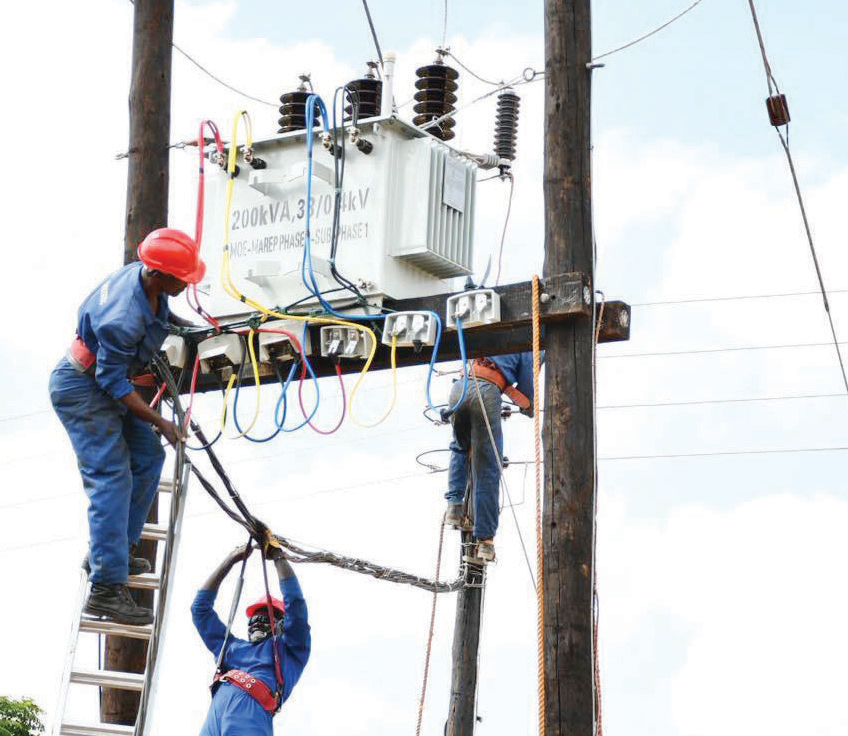
However, power utility company Electricity Supply Corporation of Malawi (Escom) registered the highest performance as it posted K42.6 billion profit, increasing profitability from K4.6 billion the previous year.
However, Northern Region Water Board (NRWB) registered the worst debt exposure at K163.4 billion, while Central Region Water Board (CRWB) had K107.7 billion.
Other highly indebted SOEs include Escom (K99 billion), National Oil Company of Malawi (K98.6 billion) and Malawi Energy Regulatory Authority (Mera) (K95.5 billion).
- Advertisement -
Describing the financial fragility of the SOEs, the report says: “Aggregate results are volatile. Positive headline outcomes can coexist with weak cash flow, low debt servicing capacity and dependence on State support.”
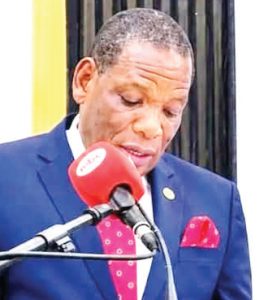
Mwanamvekha said persistent operating losses, weak cost control, high receivables and payables, unremitted surpluses, dependence on Treasury support and weaknesses in governance were vices that needed to stop.
“These are not acceptable and cannot be allowed to continue without a credible response. In a period requiring fiscal discipline and stronger domestic revenue mobilisation, public resources must be used responsibly and carefully.
“Repeated bailouts, arrears and contingent liabilities place pressure on the taxpayer and crowd out other priorities,” Mwanamvekha said.
Recently, the World Bank’s Malawi Economic Monitor cited weak governance, lack of accountability, poor infrastructure and political interference as key factors affecting the performance of SEOs, whose total contribution to the economy failed from 22 percent to 20 percent in 2025.