





By McLoyd Chilangiza:
At Zigwagwa Market in Mzuzu City, Gibson Munthali moves slowly between bags of maize, carefully comparing prices before deciding what to buy.
Munthali recalls that a 50-kilogramme (kg) bag of maize, which sold for between K70,000 and K90,000 over the past two years, is now going at between K38,000 and K45,000.
For nearly four months, he says, the price has remained relatively stable.
However, he notes that prices for several other food and non-food items such as electronics, fuel and fertiliser remain elevated.
- Advertisement -
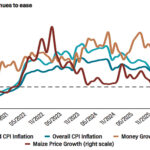
True to his observations, the latest figures released by the National Statistical Office (NSO) show that headline inflation—which measures the overall inflation rate covering all goods and services in the consumer basket—fell to 23.8 percent in March 2026, from 24.1 percent in February, marking the lowest level recorded since June 2022.
According to the report, the decline has largely been driven by easing food prices, which weighs heavily in the consumer price index—a basket used for measuring inflation.
The NSO statistics show that food inflation dropped to 20.0 percent in March, down from 20.8 percent in February, reflecting improved domestic food supplies.
While food prices are slowing, Munthali says other living costs remain high, particularly transport.
- Advertisement -
- Advertisement -
He notes that transport fares from Mzuzu City Mall to Area 4 and Kaviwale in the vicinity of the town have increased from about K1,000 to K1,500, exerting extra pressure on household budgets.
The trend mirrors the NSO figures which show that non-food inflation, which measures prices of goods and services that cannot be consumed, rose slightly to 30.7 percent in March from 30.0 percent in February.
The increase reflects the delayed effects of a 41 percent rise in fuel pump prices in January and continued exchange rate pressures affecting imported goods.
Despite the continued challenges, the latest figures reflect an improvement from the 35 percent inflation peak recorded in January 2024.
In a commentary posted on Facebook, Reserve Bank of Malawi Deputy Governor Kisu Simwaka said the year-on-year drop in the headline inflation has largely been driven by falling domestic food prices, although non-food inflation remains elevated.
“Inflation continues to decline, mostly driven by lower domestic food prices. However, nonfood inflation edged up to 30.7 percent due to the lagged effects of the 41 percent increase in fuel pump prices in January and pressures from the parallel market exchange rate,” he said.
Simwaka added that inflation was expected to continue easing as the harvest season improves food supplies and favourable base effects take hold.
However, economist Paul Kwengwere said the slight drop in food inflation may not immediately translate into relief for ordinary households.
He said rising non-food prices posed a major risk to the inflation outlook.
“For the ordinary Malawian, the slight drop in food inflation feels like a statistical technicality rather than a relief. While maize prices have stabilised, the other 45 percent of the household basket (transport, soap, medicine, school fees, and electricity) is accelerating at above 30 percent.
“To an urban worker, for example, the money saved on a bag of maize is immediately swallowed by the increased cost of the minibus fare to go buy it, or several other necessity non-food items,” he said.
The African Development Bank has projected that Malawi’s inflation will average around 20 percent, slightly higher than the 17.4 percent projected by the Malawi Government in the 2026 Economic Report.