

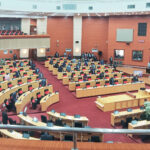

In a political showdown that felt more like a cinematic thriller than a legislative meeting, Parliament Tuesday saved its fiercest battle for last as it passed the
Parliamentary and Presidential Elections (PP&LGE) Amendment Bill, Number 23 of 2025.
Convened under a special directive from President Lazarus Chakwera after the House’s constitutional mandate expired on July 23 this year, tension was palpable from the moment gavel struck wood.
It all started when Blantyre City South East MP Sameer Suleman said the House needed to elect a new Speaker for the day as the mandate of Catherine Gotani-Hara ended when the National Assembly was dissolved on July 23.
Suleman also questioned the assumed Constitutional Crisis behind the calling of Tuesday’s meeting, saying the only crises that were in Malawi pertained to fuel shortage and hunger and not electoral laws.
- Advertisement -
And, despite not being recognised by the Speaker, Thyolo Central lawmaker Ben Phiri also rose and questioned the rationale behind Tuesday’s sitting.
When Gotani-Hara moved a motion for the House to waive all relevant standing orders to allow the House to discuss the bill, which had not satisfied the 28-day notice requirement as demanded by Parliament, the opposition shot down the motion, resulting in the government side demanding a division, which the ruling side won by 104 votes to 64 votes.
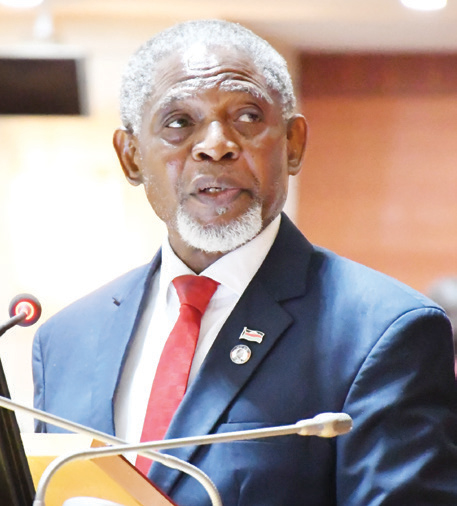
DPP spokesperson on the bill Bright Msaka wondered why the authorities brought the amendment bill, saying the Constitution already provides for a provision for security agents and other stakeholders to vote some two days before the actual polling date.
Msaka also questioned the legitimacy of the bill, saying it was only paying attention to the presidential vote while denying voters from one area to vote for their MPs and ward councillors in their areas of residence.
- Advertisement -
- Advertisement -
“I waited with bated breath to hear the Honourable Minister of Justice [Titus Mvalo] explain to this House what constitutional crisis has arisen or emergency. He missed on that critical point. It took the Leader of the House to attempt to explain the crisis. But Honourable Speaker, there is no crisis,” Msaka said.
He further observed that the provision proposed by the bill was criticised by the Constitutional Court in the 2019 and 2020 elections case and that Parliament had to amend it.
United Democratic Front spokesperson on the bill Esther Jolobala also spoke against the passing of the bill.

Legal Affairs Committee Chairperson Albert Mbawala then presented a report of the bill, which revealed that the committee rejected the bill.
The House then voted not to adopt the Legal Affairs Committee report and went on to pass the bill.
Leader of the Opposition in Parliament George Chaponda also questioned the necessity of the bill.
Leader of the House Richard Chimwendo Banda told The Daily Times that the whole House was above the Legal Affairs Committee.
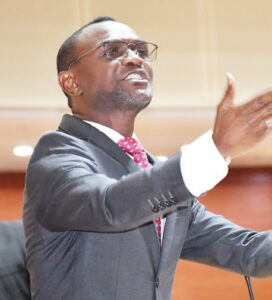
On his part, Mvalo said the bill would help about 80,000 people who would, under the previous law, not have been allowed to vote on polling day.
Mvalo told reporters that media personnel and civil society observers will not be allowed to vote in areas where they did not register on polling day.
Commenting on the passing of the law, Civil Society Elections Integrity Forum Chairperson Benedicto Kondowe said his grouping insists that revolving observers and media personnel should be allowed to vote where they are deployed on polling day.
“This is not merely a procedural issue; it is about upholding the Constitution and protecting the fundamental right to vote.
“It also aligns with the principle affirmed in the 2020 constitutional presidential elections case: that every vote counts and must carry equal weight,” Kondowe said.