




Malawi is among six countries said to have made exemplary progress in reducing adolescent pregnancies and advancing adolescent sexual and reproductive health and rights (ASRHR).
The other countries are Cameroon, Ghana, India, Nepal and Rwanda.
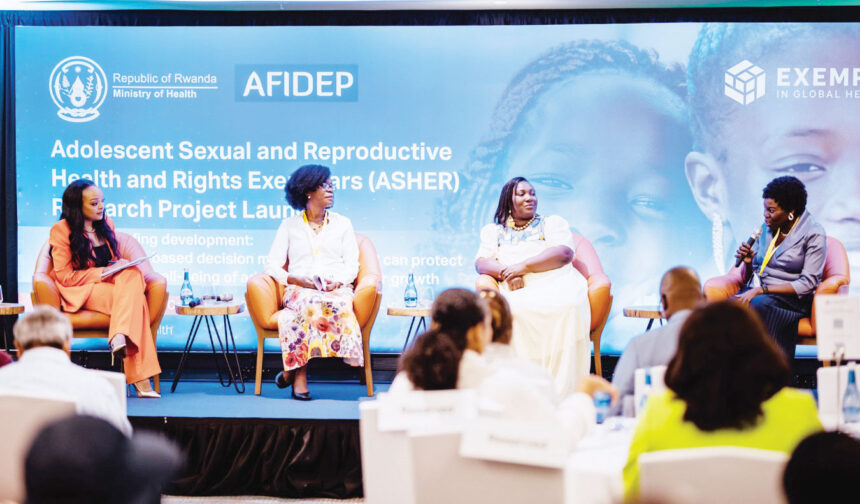
Exemplars in Global Health (EGH), a programme which studies countries that have made progress in global health to help policy makers make evidence-based and data-informed decisions, has launched a project to study how the six countries have done it.
The launch took place in Kigali, Rwanda, on the sidelines of the Women Deliver 2023 Conference.
Health Minister Khumbize Kandodo Chiponda said Malawi’s positive strides towards reducing teenage pregnancies have been a result of interventions the country has been implementing over the past two decades.
- Advertisement -
“The implementation takes the form of a multisector approach and is guided by the Adolescent Girls and Young Women Strategy, which is led by the Ministry of Youth with support from the Ministry of Finance and Economic Planning as well as the Ministry of Local Government.
“Some of our successful interventions include offering youth-friendly health services, creating youth centres and enabling community outreach to young people in and out of school,” Chiponda said.
She, however, admitted that there still is work to be done to further reduce cases of teenage pregnancies in Malawi.
The minister said the study, dubbed Adolescent Sexual and Reproductive Health and Rights Exemplars, will inform the country to increase its efforts in the cause.
- Advertisement -
- Advertisement -
Foster Mafiala, a Project Youth Adviser and Global Technical Advisory Group member from Malawi, said, as a young person, participating in the research project means he can have a voice in defining questions young people ask and factors they explore to better understand adolescents’ needs.
“I hope the results of this project will help our leaders develop adolescent- and youth-responsive health services and more equitable access to services for those of us who are most vulnerable, empowering all young people to make informed choices about their sexual and reproductive health,” Mafiala said.
Local research organisations will lead in-depth research within each country while the African Institute for Development Policy (Afidep) will conduct cross-country analyses.
Principal investigator in the project, Nyovani Madise from Afidep, stressed that one of the best ways to support progress on any health issue is to learn from those who are succeeding in that area.
“By generating rigorous and objective analysis of the exemplary progress of these six countries on ASRHR, our consortium of cross and in-country researchers hopes to foster cross-country learning about what factors were most influential in the excellent progress we have observed to date,” Madise said.
The research project will examine the policies and programmes in each of the six exemplar countries that drove positive ASRHR outcomes, among others.
The EGH programme is a global coalition of partners including researchers, academics, experts, funders, country stakeholders and implementers with a mission to identify positive global health outliers, analyse what makes countries successful and disseminate core lessons so that they can be adapted in comparable settings.