



By Ousman Kaliati:
Sumini Allie was on her way to Mangochi District Hospital to deliver her baby when a flooded Lugola River brought her journey to an abrupt halt.
She eventually gave birth in a nearby bush, exposing the risks pregnant women face when poor roads, flooded rivers and inadequate transport stand between them and emergency maternity care.
The 21-year-old was travelling to the hospital on the afternoon of February 22, 2026 when the vehicle she was using developed a fault while crossing the river.
- Advertisement -
Running water then trapped the vehicle, forcing the passengers to wait for the water level to fall.
- Advertisement -
“We were waiting for the water to slow down and this was the time I started feeling the labour pains,” Allie says.
Some women travelling with her noticed that she was in labour and took her to a nearby bush, where she gave birth to her baby girl.
After the delivery, Allie and her relatives returned home because they could not cross the river. As a result, the baby missed her first vaccination.
National Initiative for Civic Education Trust volunteer Alex Amadu says the experience is not isolated in the area of Senior Chief Makanjira.
- Advertisement -
Amadu says pregnant women face similar challenges every rainy season, with poor roads and a lack of ambulances making it difficult for them to reach health facilities during emergencies.
“The government has to at least do something to ease mobility challenges for pregnant women here. Bad roads and the lack of ambulances are costing women’s lives,” he says.
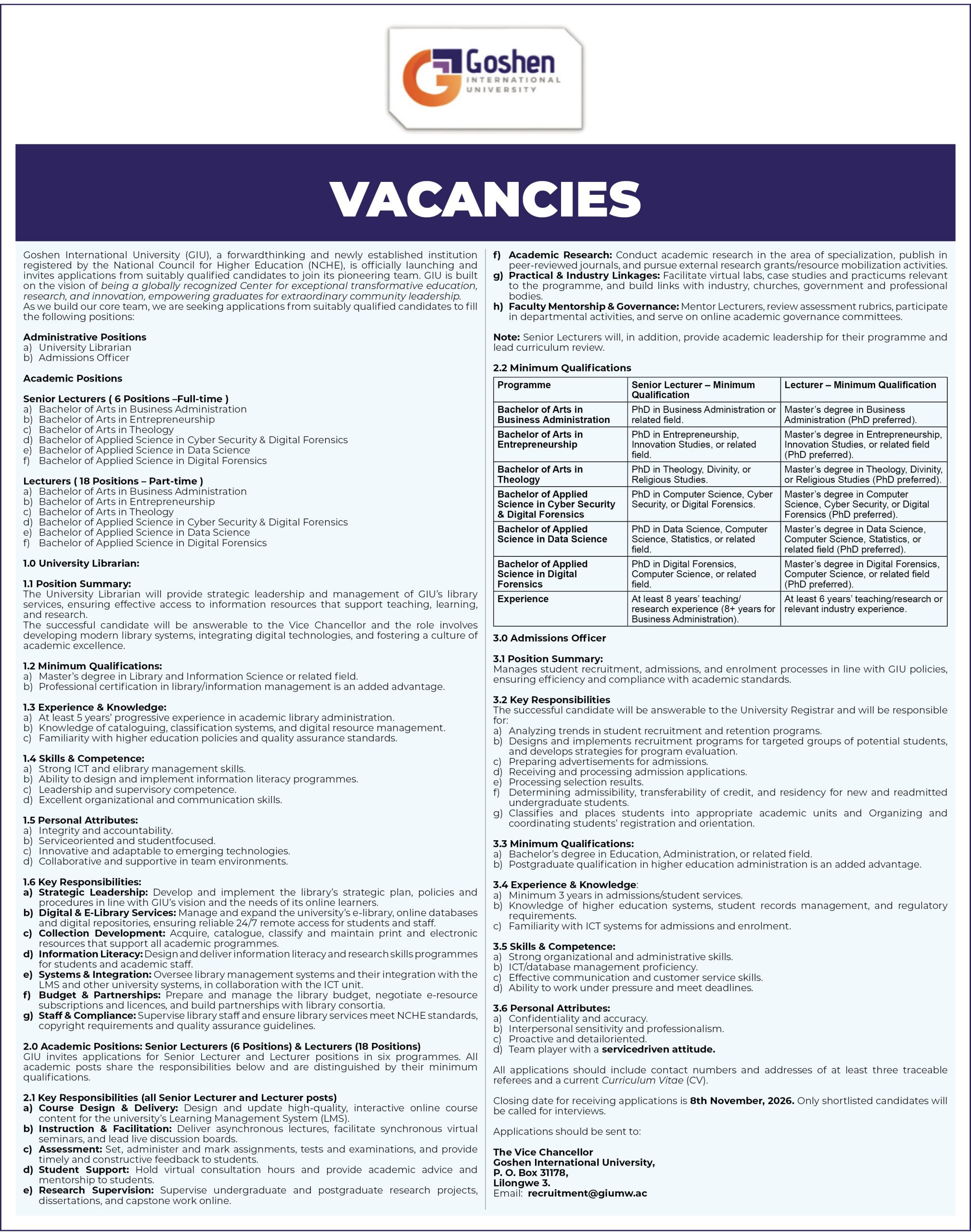
The transport challenge is not confined to Mangochi. In Salima District, inadequate emergency transport has also affected pregnant women, although an ambulance provided by local health organisation Wandikweza has improved the situation in some communities.
Senior Chief Pemba says mobility problems have contributed to maternal deaths in his area, with some women dying on their way to hospital or delivering with assistance from fellow women and traditional birth attendants.
“The situation was critical, but Wandikweza has cushioned us with the ambulance, which is operating at Mchoka Health Post and Pemba,” he says.
Pemba has called on the government and other health sector stakeholders to improve emergency transport and prevent avoidable maternal deaths.
Salima South Linthipe parliamentarian Maxwell Chizeze says the ambulance has improved access to emergency healthcare in the area.
“This is what our people were lacking, especially pregnant women. They are now easily being transported to the district hospital when there is an emergency,” he says.
Chizeze says the government should prioritise challenges that can result in women giving birth before reaching health facilities.
Salima District Hospital Director of Health Services Eugene Katenga Kaunda says Pemba and Mchoka health facilities had operated without an ambulance since their establishment.
“The intervention of Wandikweza with the ambulance has reduced mobility challenges in these areas, and it is commendable,” he says.

Wandikweza Director of Operations Fischer Jiya says the organisation works to improve maternal, newborn, child and adolescent health in hard-to-reach rural communities.
“Our organisation was founded with the aim of improving maternal, newborn, child and adolescent health in hard-to-reach rural communities,” he says.
Its flagship Proactive Doorstep Care approach brings healthcare closer to households through home visits by community health workers and maternal and newborn services provided through Midwives on Wheels.
Jiya says the organisation also operates mobile outreach clinics and supports referral and emergency transport systems in collaboration with government health facilities and district health offices.
Wandikweza donated an ambulance worth K180 million to Salima District Hospital. At Mchinji District Hospital, it donated an ambulance, a motorcycle and three push bicycles, among other medical supplies, worth K200 million to strengthen healthcare services.
Ministry of Health spokesperson Benedicto Mbewe says the government is aware of cases involving women who give birth before reaching health facilities.
“We receive reports of women who go into labour and deliver on the way to a health facility due to distance, transport or rapid labour,” he says.
Mbewe says the ministry is addressing the problem through community sensitisation on birth preparedness and danger signs to encourage women to seek care early.
He says the government is also strengthening referral and emergency transport systems, including ambulances and community transport arrangements, while upgrading health centres to provide basic emergency obstetric care closer to communities.
Mbewe says the government is scaling up maternity waiting homes at district and community hospitals, with priority given to hard-to-reach areas.
“We are working with partners and communities to construct, rehabilitate and equip the homes with beds, water and sanitation, while also encouraging health workers to refer pregnant women from far areas to stay in the waiting homes two weeks before their expected delivery date,” he says.
Health rights activist Dorothy Ngoma says the government should revive maternity waiting home initiatives implemented during the administration of former president Joyce Banda, when more than 20 such facilities were constructed.
“During those days, pregnant women had hope because the President was putting much effort into addressing the challenge of women delivering while on their way to hospital,” she says.
Ngoma says transport difficulties and poverty continue to put pregnant women at risk, with some turning to traditional birth attendants when they cannot reach health facilities.
She calls on the government to ensure hospitals have ambulances with adequate fuel to respond to emergencies promptly.