





By Fenella Frost:
Malawi stands on the brink of a digital revolution, poised to reshape its socio-economic landscape. As the world embraces digital technologies, the imperative for Malawi to embark on inclusive digital transformation becomes increasingly critical.
However, this journey requires robust digital public infrastructure, promotion of digital public goods and investment in infrastructure, knowledge and capacity to ensure equitable access for all citizens.
Digital transformation offers important opportunities for Malawi, providing the potential to leapfrog traditional barriers to development and drive progress across various sectors – from enhancing healthcare delivery and education access, to fostering entrepreneurship and improving governance.
This includes providing a hands-on approach to better resource management at all levels. To harness these benefits and ensure inclusivity, it is imperative to address the challenges hindering progress fully and effectively.
- Advertisement -
One of the foremost challenges is the digital divide, which persists both within and between countries. In Malawi, like many other developing nations, access to affordable and reliable internet connectivity remains a significant barrier, particularly in rural areas.
According to the World Bank, only 24 percent of people in Malawi have access to the internet, with rural areas experiencing even lower rates of connectivity. In addition, barriers in access to sustainable energy sources (an estimated 95 percent of rural people do not have access to electricity) continues to be a massive challenge.
Bridging these divides requires concerted efforts to expand broadband infrastructure and promote innovative solutions, such as community networks and satellite technology. In addition, it is critical to increase access to electricity for all Malawians, including through local energy solutions like mini-grids.
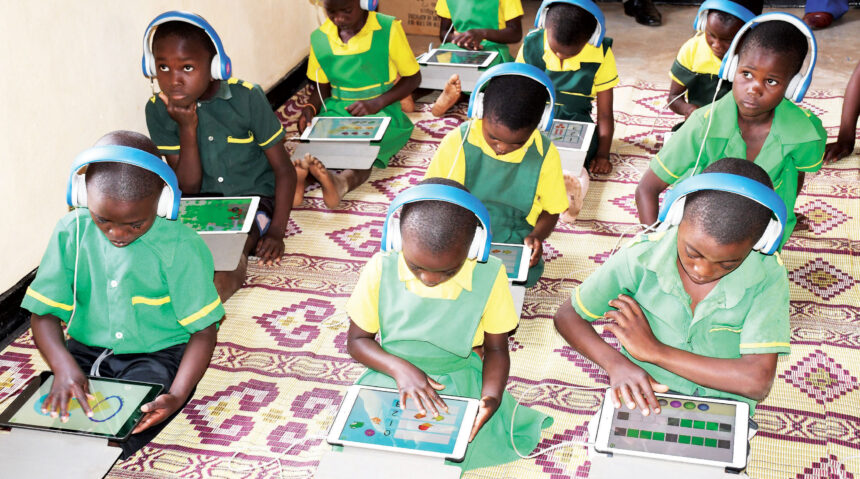
Moreover, digital literacy and skills development are essential to empower citizens to fully participate in the digital economy and to fully benefit from digital solutions.
- Advertisement -
- Advertisement -

Investing in education and training that equip Malawians, and particularly young women and men, with the necessary digital skills will not only enhance their employability but also enable them to leverage digital technologies for personal growth and community development.
However, according to Unesco, literacy in Malawi stands at 66 percent, with significant disparities between urban and rural areas. Thus, efforts to promote digital inclusion must address effectively and strategically address linguistic and cultural barriers.
Beyond an inclusive human development approach to digitalization, Malawi has the opportunity to prioritize developing a robust digital public infrastructure – based on the foundations of digital ID, digital payments and digital data exchange. Digital public infrastructure, including e-government services and open data repositories, underpinning inclusive digital transformation. Investment in such infrastructure will streamline service delivery, enhance transparency, and foster innovation.
Equally important is the promotion of digital public goods – freely available for use, reuse, and redistribution by anyone, anywhere.
Open-source software, open data, and digital knowledge repositories are examples of digital public goods that can catalyze innovation, promote collaboration, and democratize access to information and technology. By embracing open standards and fostering collaboration, Malawi can drive inclusive development and address societal challenges.
Malawi already has a track record of proven digital solutions. UNDP has been proud to partner with the Government of Malawi in the national implementation of a number of important digital solutions including the national identity system that has brought savings of US$42 million, reached 10.9 million people and has been globally recognized as an example of good practice, and health supply chain management system which has helped to ensure that drugs are used before their expiration date – a major saving for Malawians.
In one year alone, in only nine districts, nearly US$300,000 was saved thanks to ensuring that drugs were used prior to expiring.
Realising this vision requires forward thinking leadership, strategic partnerships, and sustained investment.
The launch of the Inclusive Digital Transformation for Malawi (IDT4M) project, a collaboration between the Government of Malawi and the UNDP with initial funding from European Union and Irish Aid, marks a crucial step towards addressing the digital divide.
Through this project, we aim to establish a secure digital identity system (building on the important progress already made); develop a strong digital public infrastructure; bolster digital governance; and narrow the digital gap – including for women and young people.
As we accelerate the realisation of the SDGs, inclusive digital transformation will be a critical stepping-stone to unlocking Malawi’s full potential.
By addressing challenges related to digital access, digital literacy, and digital infrastructure while promoting digital public goods, we can drive socio-economic development and build a more prosperous future for all.
As we collectively navigate the complexities of the digital age, let us seize this opportunity to build a more inclusive and resilient society. UNDP is privileged to accompany the Government and people of Malawi in this key new chapter of Malawi’s development.
The author is Communication and Partnership Specialist, United Nations Development Programme’s Biodiversity Finance Initiative in Tanzania/ Malawi.
Author is UNDP Resident Representative