By Witness Chipwere:
In the remote village of Mphinga, a silent problem is growing: a generation of learners trading their textbooks for motorcycles and rice paddies, abandoning their education and their future.
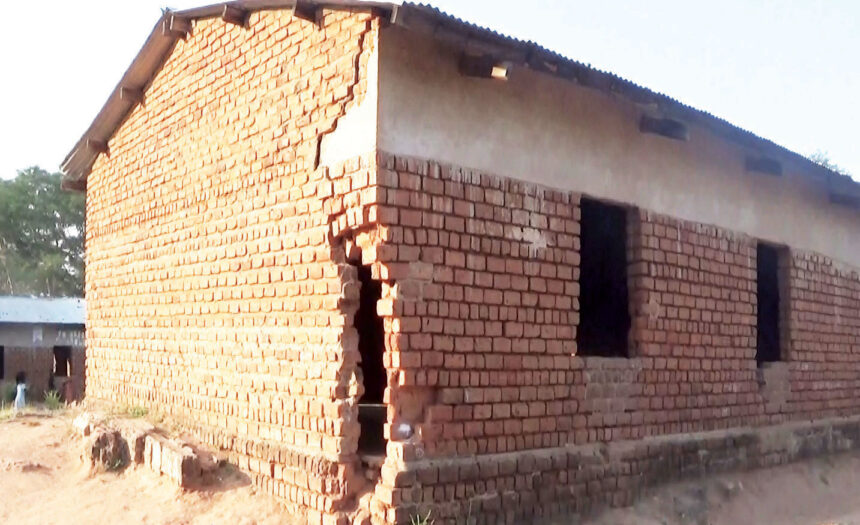
Some of these learners are from Chauteka Primary School in Karonga District, which appears to be fighting a losing battle to retain students.
They are lured away by quick cash opportunities through piecework.
Established in 1971, the school is located within the jurisdiction of Traditional Authority (TA) Wasambo, a few kilometres from Wovwe and Mphinga rice schemes.
- Advertisement -
During the 2023-24 academic year, officials at the school reported that 41 learners from Standard 4 to Standard 7 dropped out.

Faith Kumwenda, the school’s headteacher, laments the lack of visible support, saying dedicated teachers are watching helplessly as students leave one by one.
“They succumb to the allure of easy money and the appeal of motorcycle and rice businesses,” Kumwenda laments.
He stresses that in a region where education represents the sole pathway to a better life, Chauteka struggles to guide its students towards success amidst the harsh realities of poverty and limited opportunities.
- Advertisement -
- Advertisement -
“The noise of motorcycles and the aroma of rice paddies are drowning out the sounds of learning at our school,” the headteacher remarks.
He highlights how students increasingly opt for short-term gains over long-term educational achievements.
“We need organisations to inspire our learners, particularly girls, so that they understand the significance of education,” he says.
Loyce Thindwa, a Community Based Educator in Chilumba, Karonga District, expresses alarm over the rising number of school dropouts, urging proactive measures.
Thindwa suggests implementing strategies such as mentorship programmes, extracurricular activities, academic support and counselling services to curb the crisis.
She also stresses the importance of raising awareness about education’s value and the detrimental impact of dropout rates on individuals and the community.
“Establishing a system to monitor and support at-risk students could facilitate timely interventions.
“Regular follow-ups and assessments can help identify challenges early and address them promptly,” Thindwa says.
Station Officer for Chilumba Police Post, Missi Gremu, points out that factors like long distances to school, limited transportation and inadequate school facilities such as toilets and water also contribute to low attendance.
He says with proper motivation, the situation could improve.
Gremu underscores the need for a collaborative, multi-faceted approach involving educators, parents and supportive communities to address dropout rates effectively.
“Creating programmes that offer mentoring, counselling and other forms of support to at-risk girls can help them remain in school,” he opines.
Gremu adds that educating communities about the importance of girls’ education and challenging gender stereotypes can further motivate them to excel academically.
Spokesperson for the Ministry of Education Mphatso Nkuonera says government is committed to retaining learners in classrooms.
Nkuonera singles out initiatives such as constructing 10,900 classrooms nationwide through the Malawi Education Reform Programme and the World Bank-funded Equity with Quality and Learning at Secondary project.
He also cites plans to expand secondary schools, particularly in remote areas lacking science and computer laboratories.
“Building classrooms in rural areas can bridge the urban-rural education gap. This provides equal educational opportunities and enhances literacy rates, thereby improving educational outcomes,” he says.
Since 2018, the Church and Society of the Livingstonia Synod has been raising awareness about the harmful effects of early marriages in communities.
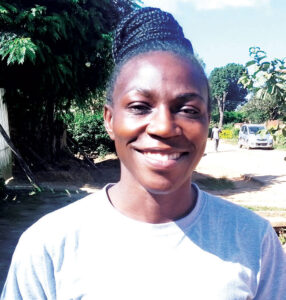
The organisation’s child protection officer, Leah Mvula, reports that their efforts have prevented 13 girls from entering early marriages.
Stressing the importance of girls’ education, Mvula says delaying early marriages ensures girls have time for education.
“We strive to foster community support to create a conducive environment for girls to thrive without the pressures of early marriages,” Mvula explains.
The initiatives fall under the Children, Youth and Communities for Change project, operating in TAs Wasambo, Mwamlowe, Mwalweni and Chapinduka in Karonga and Rumphi districts.
The four-year project, supported by Transformed Aid International from Australia with an annual funding of approximately K120 million, aims to empower communities and promote education.
In the past two years, within the four Tas, 110 girls have entered marriage, but hearteningly, 29 have been withdrawn and readmitted to school this year.