By Nelson Gonjani:
For 14 years, more than 130 Malawian families at Nthundwala camp, Traditional Authority Nthundwala in Kasungu District, have endured a life of uncertainty, poverty and humiliation.
With no land to call their own, some members of surrounding communities have mockingly referred to them as “refugees” in their own country.
Their long and painful wait for a place to settle has, however, reached a turning point following the government’s provision of land for settlement and agricultural activities.
The families’ story dates back to the 1990s, when their forefathers lost their jobs at Press Agriculture, leaving them without a reliable source of livelihood or a secure place to call home.
- Advertisement -
With nowhere else to turn, the displaced families encroached on Kasungu National Park in search of land for settlement and cultivation.
The government subsequently removed them from the protected area, forcing them to seek alternative means of survival. Some of the people crossed into neighbouring Zambia, where they established makeshift farms in a desperate attempt to provide for their families.
However, when the farming season ended, the Zambia Government engaged Malawi, asking it to take back its citizens.
In 2012, Malawi received the families and temporarily allocated them a small piece of land at Nthundwala. They were told that they would stay there for only seven days as the government searched for a suitable place where they could settle permanently.
- Advertisement -
- Advertisement -
However, what was supposed to be a week-long stay turned into 14 years of hardship, uncertainty and indignity.
For the families, the years passed without the permanent solution they had hoped for, leaving them trapped in difficult living conditions that affected nearly every aspect of their lives.
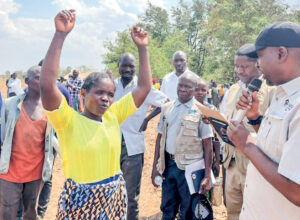
Under a weathered, grass-thatched shelter, 48-year-old Judith Sikaliyoti, a single mother of eight, recounts her painful journey, her eyes filling with tears as she reflects on years of struggle.
“My husband died in prison after he was arrested for encroaching on the park.
“Since then, life has been miserable. I cannot afford school requirements for my children, and we struggle to survive,” Sikaliyoti explains.
For Judith, the loss of her husband was only the beginning of a prolonged struggle to raise her eight children under circumstances that have left her with limited means to provide for their needs.
Like many other families at the camp, she has had to contend with poverty and inadequate access to essential services, with little certainty about what the future holds.
“In addition, people in surrounding communities insult us. They call us refugees and tell us that we do not belong here. But where can we go? We are Malawians,” Judith says.
Her words capture the anguish of people who, despite being citizens of Malawi, have spent years struggling to find a place where they can live without humiliation or the fear of being unwanted.
For them, the lack of land has meant more than the absence of a place to build permanent homes. It has also limited their opportunities to cultivate crops, support their families and establish the stable livelihoods they need to move beyond poverty.
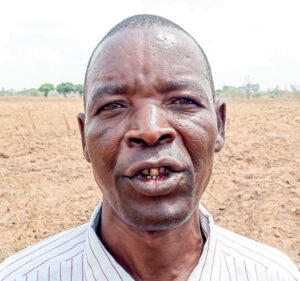
Camp chairperson Stanley Lyson says the prolonged displacement has stripped residents of their dignity, leaving them desperate for a permanent solution.
“We are living like wild animals. Life gets harder every day. We are asking the government and stakeholders to give us land, where we can farm and live freely, just like every Malawian,” he says.
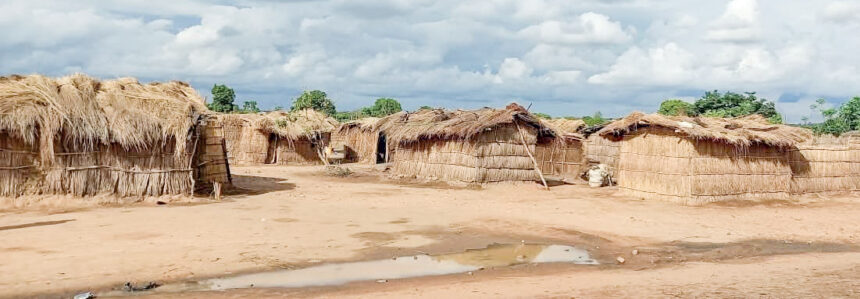
According to Lyson, the families have been forced to share small, grass-thatched shelters, with some of the structures accommodating more than 20 people.
The overcrowding has deprived residents of privacy and exposed families to living arrangements that are difficult to reconcile with the dignity and cultural values they wish to uphold.
“I cannot even be intimate with my wife in such a crowded house. We are forced to go into the bush,” he says softly.
For 14 years, such conditions have been part of everyday life at the camp, reinforcing the families’ determination to find a permanent place where they can build proper homes and live independently.
Their circumstances have now begun to change following the government’s decision to provide land for settlement and agricultural activities.
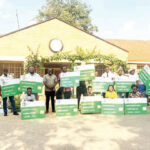
In 2026, Minister of Lands and Urban Development Chimwemwe Chipungu visited the camp and handed over land to 132 households, marking a significant step towards ending their prolonged state of displacement.
The development has raised hopes that the families will finally have an opportunity to establish permanent homes, cultivate their own food and rebuild their livelihoods after years of uncertainty.
Traditional Authority Nthundwala welcomed the government’s intervention, describing the provision of land as an important development for both the affected families and his area.
He said the move would help restore the dignity of members of households while strengthening his chieftaincy, which had been affected by the families’ prolonged displacement.
Camp chairperson Lyson also expressed relief, saying the provision of land has renewed the families’ hopes after years of waiting for a permanent solution.
While addressing the families, Chipungu said the government is committed to ensuring that Malawians facing similar circumstances, including those in Nkhata Bay, have access to land where they could settle and sustain themselves.
He revealed that the government had identified land in Mzimba for affected households and assured them that the allocation process would be completed by the end of October 2026.
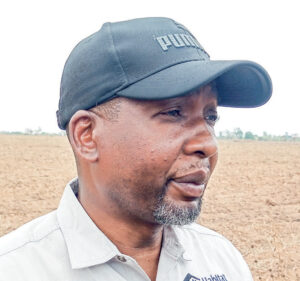
“The government is very committed to ensuring that every Malawian is provided with land for settlement. By the end of this month, people will be allocated land at the site the government has identified in Mzimba,” Chipungu indicates.
Chipungu also warned the beneficiaries against selling the allocated land, saying legal action would be taken against anyone found doing so.
“We have identified this land for settlement and agricultural activities for these people, and we do not want to hear that someone is selling part of it. If anyone is found doing so, we will take legal action,” he said.
Commenting on the matter in a separate interview, Human Rights Consultative Board Chairperson Robert Mkwezalamba said access to land is key to people’s livelihoods and their ability to meet basic needs, making the government’s intervention an important step towards restoring the families’ dignity.
“This is a good development because every Malawian has the right to land and when this right is denied, it affects the right to livelihoods and all basic necessities,” he said.
He, however, appealed to the government and development partners to continue supporting the families as they begin rebuilding their lives through farming and access to essential necessities.
For Judith, Lyson and the other families at Nthundwala camp, the provision of land represents far more than an opportunity to build houses or grow crops; it offers them the prospect of leaving behind years of humiliation, overcrowding and uncertainty, and beginning a new chapter in which they can live with dignity, security and a renewed sense of belonging.
For Judith, it could mean raising her eight children in a place they can finally call home. For other families, it could mean having the freedom to cultivate their own land, provide for their children and rebuild lives disrupted by decades of displacement.