By Clever Mwale:
Malawi is sitting on vast mineral wealth. This is common knowledge.
For decades, this has attracted shelves of policies and a flurry of activity – some exploration here, formal and informal mining operation in one corner and a celebration of both potential and earned revenue in another.
Yet, in reality and decades on, the nation continues to collect crumbs and sink deeper into the quicksand of poverty.
This is one of the findings of a latest analysis of the Extractive Industries Transparency Initiative (EITI) reports.
- Advertisement -
The details paint a picture of inconsistencies, secret dealings and potential corruption stretching across nearly a decade.
According to the study, while mineral revenue has grown on paper, Malawi is still failing to convert its resource endowment into development.
Today, over 60 percent of citizens are trapped in the vicious cycle of poverty despite billions flowing through the extractive sector.
The report outlines glaring contradictions— missing company disclosures, unexplained revenue gaps and mismatched figures.
- Advertisement -
- Advertisement -
Together, these point to serious governance breakdowns and possible illicit financial flows.
In one instance, a single financial year registered a 33 percent unreconciled revenue gap, amounting to billions whose trail simply goes cold.
The study further reveals that several companies did not submit required financial reports or only disclosed selectively, a practice that raises questions about the legitimacy of their dealings.
In cases where mining firms gave the reports, their figures contradicted those from government agencies.
Further, some companies disappeared completely from the reporting process, raising deeper questions about who is mining what—and who is benefitting.
The analysis exposes that some illegal mining operations are facilitated by politically connected individuals and senior officials.
This, it says, creates an underground network that bleeds public revenue even before minerals reach formal markets.
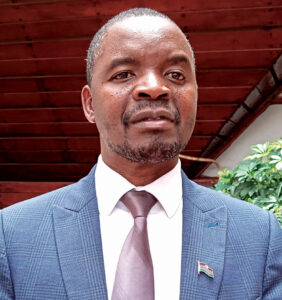
Lead researcher for the report, Mavuto Bamusi, warns that the country risks sliding deeper into the “pre-resource curse”—a scenario where hopes for future mineral riches distort policy choices.
To fix this, Malawi urgently needs to plug revenue leakages and reclaim control of its mineral assets, he says.
Kennedy Rashid, National Coordinator for the Natural Resource Justice Network, says the study was triggered by disturbing contradictions between what companies declared and what government entities recorded.
“The numbers simply weren’t adding up,” he noted.
He said while companies reported high amounts of revenues collected by them, the government reported otherwise raising suspicion on the whereabouts of the remaining “unaccounted for” money.
In the bigger picture, the performance of the extractive sectors vary significantly.
While mining revenue has increased sharply— over 1,700 percent in nine years—the forestry sector, another key component of extractive governance, has collapsed dramatically, with revenues falling from billions to less than a billion before rebounding without clear explanation.
Oil and gas revenues have nearly vanished, driven by revoked licences and abandoned exploration.
The report also uncovers troubling patterns in production data: missing mineral types, repeated tables, misaligned figures, and years where the number of minerals reported did not match their stated value.
These inconsistencies raise serious doubts about the reliability of official data used to make national decisions.
A separate but equally alarming governance breach is the lack of beneficial ownership transparency. No extractive company fully disclosed its true owners across several reporting cycles, enabling shell companies, foreign intermediaries and politically exposed persons to hide behind opaque structures.
Among others, the analysis highlights the Ilomba Granite Mine case—where senior officials were arrested over an alleged US$300,000 bribe related to license renewal.
This serves as a reminder of how corruption thrives when licensing powers remain centralized and poorly supervised.
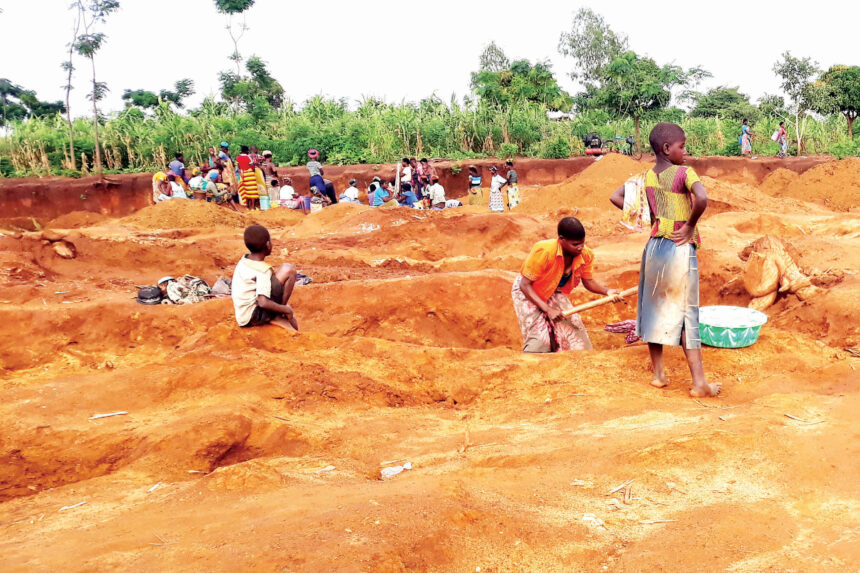
District voices captured in the report describe rural communities in Kasungu and Balaka who live on top of gold and gemstones but remain in shackles of poverty, excluded from decision-making, uninformed about revenues, and exposed to environmental degradation while the elites bag the profits.
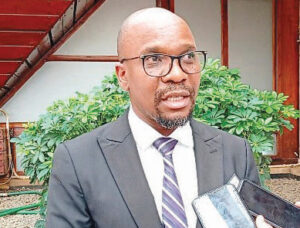
Director of Mines Mphatso Chikoti says the report is a product of collective effort to improve governance.
He has welcomed the recommendations, stressing that Malawi must strengthen transparency across every stage of the mining value chain.
He describes the report as a wake-up call on what must be done to improve the outcomes of investing in mining.
He said the government happily welcomes the recommendations.
Chikoti added that the government would continue to engage different stakeholders to promote mining.
The study concludes that if Malawi sealed financial leakages, enforced EITI standards, deployed district mining officers and implemented the Mines and Minerals Act fully, the mining sector alone could generate enough revenue to address most of the country’s economic challenges.
The report has been launched in Lilongwe under the theme “Transparency in Malawi’s Extractive Industries: A Pathway to Sustainable Development”.