By Mercy Matonga:
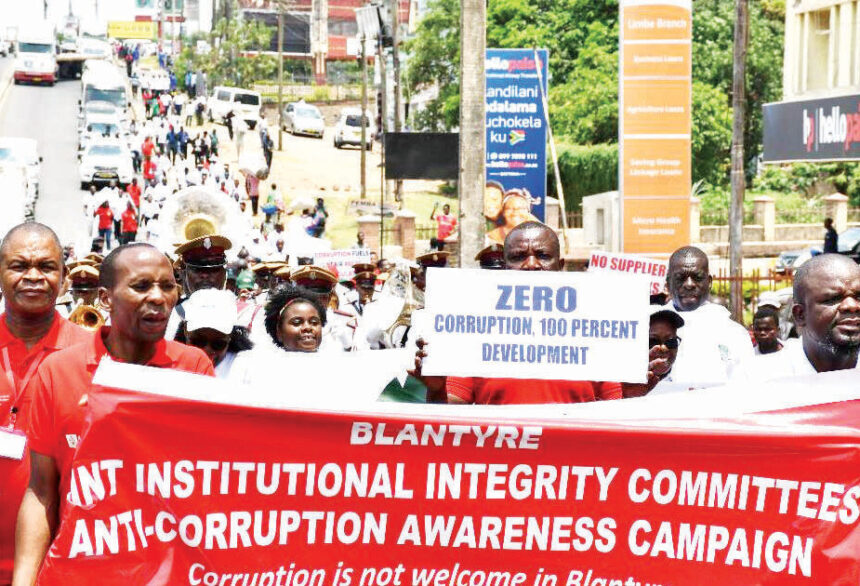
Following our recent story exposing billions lost to corruption, a follow-up with the Anti-Corruption Bureau (ACB) has revealed a striking gap between investigations and prosecutions.
Data from the bureau shows that out of 1,931 completed investigations since the 2014-2015 financial year, only 199 have resulted in completed prosecutions.
According to ACB spokesperson Jacqueline Ngongonda, the bureau had 363 cases still under investigation as of December 31, 2025.
“Several elements contribute to delays. These include the time courts take to deliver rulings or judgments, funding constraints, witnesses who are unwilling or unavailable, and adjournments by either party that stretch over long intervals,” Ngongonda said.
- Advertisement -
She also noted that there have been instances where matters at an advanced stage were discontinued by the Director of Public Prosecutions.
“Some delays arise from circumstances beyond the Bureau’s control, and this is always regretted.
“What remains consistent is the Bureau’s commitment to pursuing every case to its lawful end and ensuring that offenders are held accountable,” Ngongonda added.
On the recovery rate, Ngongonda said K1.7 billion has been recovered over the past five years.
- Advertisement -
- Advertisement -
We contacted Minister of Justice Charles Mhango to explain the pace at which Malawi is handling cases of corruption but he said he needed more time before commenting on the matter.
“I do not have an instant response. I have to check with responsible personnel,” Mhango said.
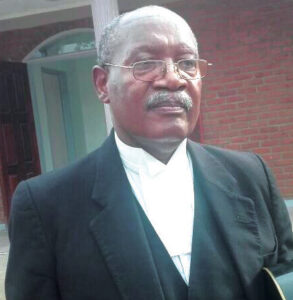
But legal expert on corruption Kamudoni Nyasulu said if Malawi is to make speedy progress on handling corruption cases, then there have to be legal reforms and stronger actions to improve prosecution and asset recovery.
“[We need to] to introduce statutory guarantees for operational independence in charging decisions, establish a transparent protocol for consultation between ACB and the DPP,” he said.
According to Nyasulu, this would result in faster charging decisions, fewer blocked cases, and stronger credibility with courts and donors.
He also said there is a need to strengthen Section 32 (unexplained property) and Sections 36A–36B (tracing and valuation), describing them as powerful but underutilised tools in the fight against corruption in Malawi.
He added that ACB should create a specialised financial investigations unit.
“Train investigators in lifestyle audits, asset tracing, and forensic accounting. We should also integrate ACB systems with the FIU [Financial Intelligence Unit], MRA [Malawi Revenue Authority] Lands Registry and banks for real-time data access,” Nyasulu added.
In a separate interview, law expert Jai Banda said factors such as limited financial resources and inadequate human capacity may be affecting the ACB’s ability to successfully prosecute cases.
“In as much as 200 may look small, some cases may not have been worth prosecuting, but there is a need to examine what the challenges might be,” Banda said.
He added that the bureau might perform better if supported with both human and monetary resources.
National Advocacy Platform chairperson Benedicto Kondowe also pointed to capacity constraints, including too few investigators, prosecutors, and forensic auditors compared to the volume of complaints.
“Government must invest in specialised anti-corruption prosecution units, forensic accounting capacity, and digital evidence management. Dedicated corruption courts or designated judges can reduce adjournments and prioritise cases,” he said. ‘
Malawi’s recent performance in the global fight against corruption has shown little substantive improvement over the past decade, according to Transparency International’s 2025 Corruption Perceptions Index (CPI), raising fresh concerns about the country’s governance trajectory.
The CPI, which measures perceived levels of public-sector corruption on a scale from 0 (highly corrupt) to 100 (very clean), places Malawi at 34 points in the 2025 report—unchanged from the previous two years.
The score remains below the global average of about 42, highlighting the country’s continued struggle to strengthen transparency and accountability.
Historical data show that Malawi’s CPI score has largely hovered in the low 30s since 2014, reflecting prolonged stagnation. The country recorded relatively stronger scores of 37 points in 2012 and 2013, but these gains were not sustained.