After years of lengthy court processes and overcrowded prisons, Malawi’s justice system is turning to plea bargaining to speed up the resolution of criminal cases and ease pressure on correctional facilities.
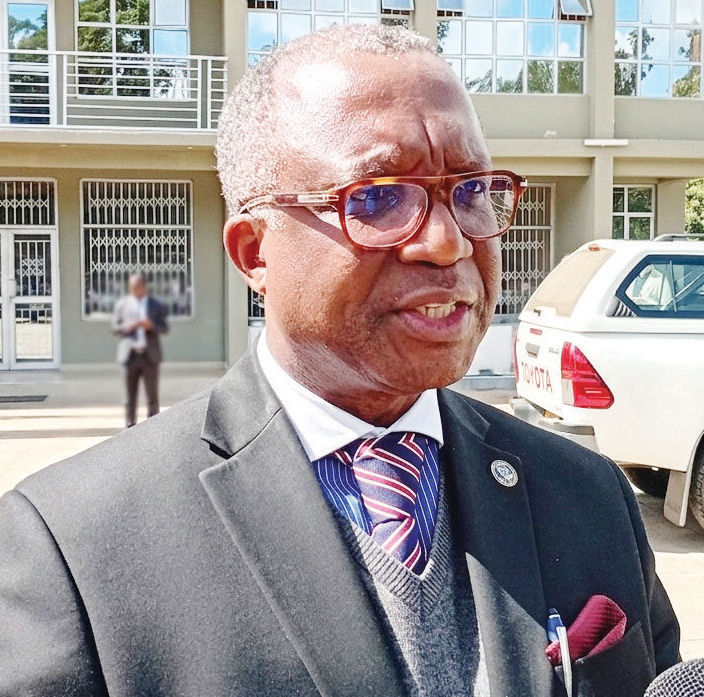
Deputy Chairperson of the Plea-Bargaining Task Team, Justice Chifundo Kachale, says the process promotes mutual understanding between the defence and prosecution while reducing the number of inmates who have spent lengthy periods on remand.
Speaking Monday in Zomba during the second plea bargaining session, following a similar exercise held in Lilongwe in March, Kachale said the initiative would help address delays that have long characterised Malawi’s criminal justice system.
“We delayed the implementation of plea bargaining because there was a practice direction by the Chief Justice, who provided guidance on such matters. Today, we are training magistrates and other players in the justice system,” he said.
Kachale, a High Court judge, said many Malawians stand to benefit from the initiative and that some inmates have remained on remand for periods exceeding the sentences for their offences.
- Advertisement -
Although plea bargaining laws were amended in 2010, implementation only began in March this year with the launch of the programme in Lilongwe.
Executive Director of the Sudreau Global Justice Institute at Pepperdine University, Professor Seth Bamburg, said plea bargaining has proved effective in shortening criminal proceedings in other jurisdictions.
Bamburg said more than 95 percent of criminal cases in the United States are concluded through plea bargaining.
“We believe that plea bargaining is crucial to the justice system. Other systems require lengthy processes, but this one is quicker, helps decongest prisons and reduces the time taken to prosecute other cases,” Bamburg said.
- Advertisement -
- Advertisement -
The session in Zomba brought together key stakeholders from across the justice sector, including the Judiciary, Legal Aid Bureau, Malawi Prison Service, State Advocate Chambers, Paralegal Advisory Service Institute, the University of Malawi and law students from the Catholic University of Malawi.
This week’s plea-bargaining session at Zomba Central Prison has been jointly organised by the Judiciary, Pepperdine University and other legal sector players as Malawi seeks to accelerate case resolution and deliver justice more efficiently.