President Peter Mutharika has further tightened controls on Cabinet travel, restricting ministers and deputy ministers to one domestic trip per month, the Office of the President and Cabinet (OPC) has announced.
The move follows an earlier directive limiting senior government officials to three foreign trips per year, part of broader austerity measures aimed at containing public expenditure.
In a directive dated February 11, 2026, Chief Secretary to the OPC Justin Saidi said the President had noted with concern a surge in local travel by Cabinet members, warning that the practice was placing additional strain on already limited public resources.
OPC spokesperson Focus Maganga confirmed the development.
The memo, which takes immediate effect, states that any additional travel deemed essential will require prior presidential approval.
- Advertisement -
Mutharika also reminds ministers that unchecked local trips undermine efforts to rein in spending under the current austerity budget.
The order applies to all ministers and deputy ministers and comes amid longstanding concerns within the government over weak coordination and escalating costs linked to official travel, both domestic and foreign.
In a separate circular dated January 7, 2025, the Ministry of Foreign Affairs and International Cooperation cautioned ministries, departments and agencies (MDAs) against undertaking foreign travel without notifying the ministry.
The letter, signed by Secretary for Foreign Affairs and International Cooperation Chauncy Simwaka, noted that some delegations were travelling outside Malawi without the knowledge of the ministry or the country’s diplomatic missions abroad.
- Advertisement -
- Advertisement -
Such practices, the ministry warned, defeated the purpose of maintaining embassies and risked creating “awkward consular situations”, particularly during emergencies.
MDAs were directed to submit delegation lists, itineraries and invitation letters before embarking on foreign trips.
Reactions to the latest directive have been mixed.
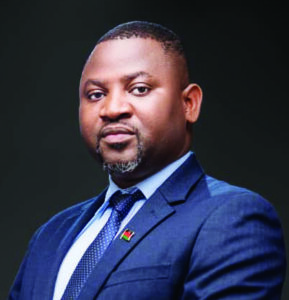
Good governance advocate Willy Kambwandira cautioned against celebrating the move, arguing that it exposed deeper weaknesses in expenditure control.
“This is not something to celebrate. The President’s directive is less a triumph of fiscal discipline and more an admission that spending controls are either weak or inconsistently enforced in the first place.
“Genuine austerity is guided by clear expenditure ceilings, transparent travel policies and prior approval systems that prevent excess before it happens. Otherwise, this risks remaining a symbolic gesture prompted by public pressure,” Kambwandira said.
On his part, human rights advocate Edward Kambanje said the move underscored leadership responsibility in safeguarding public funds.
“The President has done well to remind public officers, especially Cabinet ministers, about policies meant to restore and safeguard public resources by reducing unnecessary trips that drain government funds,” he said.
People’s Federation for National Peace and Development Executive Director Edward Chaka said there was a need to prioritise the implementation of development projects other than trips.
“Often, Malawians want visible projects— notably Malawi Police Service, Malawi Defence Force housing and office structures, among other infrastructure, and not unnecessary expenditure on abstract things such as transportation costs.
“Unfortunately, things such as transport costs eat up a lot of resources, resources that would have gone a long way in helping the country meet its short and long-term development goals. As such, any efforts aimed at saving money for the sake of investment in tangible national development activities is welcome,” Chaka said.
Currently, Cabinet ministers and their deputies are entitled to 1,500 litres of fuel per month.
However, National Advocacy Platform Chairperson Benedicto Kondowe said the fuel allocation was an entitlement under the ministers’ employment contracts, regardless of how much they travel.
He added that when ministers undertake official trips, they request for additional fuel as needed.