




By Mercy Matonga:
Malawi needs to explore new sources of funding and improve the use of existing resources to sustain free public secondary education, a new continental report on education has recommended.
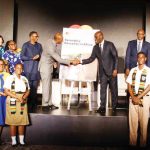
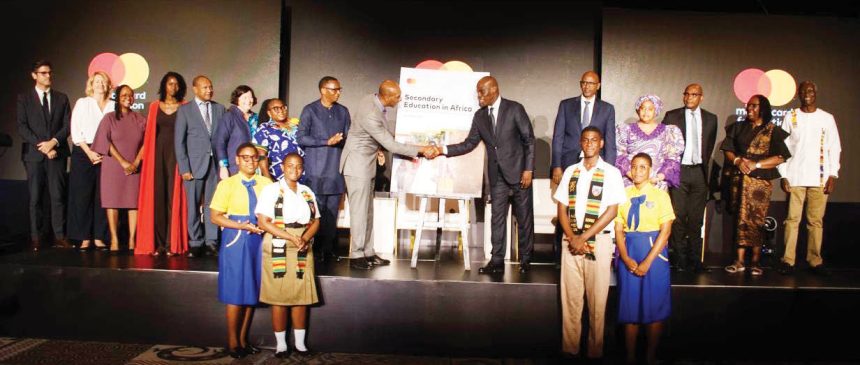
The report, titled ‘Secondary Education in Africa: Expanding Pathways to Work, Livelihoods, and Lifelong Learning’, says although removing school fees is an important step towards expanding access to education, governments must put in place sustainable financing mechanisms to maintain the gains.
Malawi is among seven African countries that were studied in depth for the report, which has been launched in Accra, Ghana, this week.
The report estimates that achieving Sustainable Development Goal 4 targets on secondary education in Africa would require about $82 billion annually, comprising $44 billion for lower secondary education and $38 billion for upper secondary education.
- Advertisement -
It further shows that only 22 of 42 African countries with available data invest the recommended share of their gross domestic product (GDP) in education, with Malawi among countries spending below the recommended level.
The report also says 28 African countries are either in debt distress or at high risk of it, while 18 have spent more on debt servicing than education since 2020.
It recommends that governments such as Malawi must consider alternative financing options, including debt-for-development agreements, results-based financing, employer levies, national training funds and climate financing.
It also calls for increased private-sector participation through direct co-financing of education programmes.
- Advertisement -
The report stresses that financing mechanisms should complement, rather than replace, government spending and should be guided by national priorities and transparent accountability systems.
On the use of available resources, the report recommends that governments direct more funding towards schools that are serving disadvantaged communities through targeted grants, school meals and other support for vulnerable learners.
Presenting the findings, Mastercard Foundation Director of Evidence and Learning Insights Eunice Muthengi said although governments needed to improve on efficiency and ensure equitable allocation of resources, this alone would not address the funding gap.
“Progress will require stronger domestic financing, more equitable allocation and carefully designed complementary resources,” she said.
Mastercard Foundation President and Chief Executive Officer Sewit Ahderom said secondary education should equip young people with skills that enable them to secure decent employment and build sustainable livelihoods.
“For most young Africans, secondary school is the last time a system reaches them at scale. It’s where we can make the biggest difference to whether they find dignified and fulfilling work,” she said.
The report says improving access to secondary education is particularly important in sub- Saharan Africa, where only 9 percent of young people enrol in tertiary education, making secondary school the last opportunity for many to acquire skills for employment.
It estimates that reducing the gap between young women and men who are not in employment, education or training could help an additional 15 million women enter the workforce and generate about $172 billion in economic activity across Africa.
Association for the Development of Education in Africa Senior Programmes Officer Shem Bodo said governments needed to mobilise additional financing and improve the use of existing resources.
Malawi introduced free tuition in public secondary schools in 2018 and, in January 2026, the government further abolished the School Development Fund and Malawi National Examinations Board examination fees as part of efforts to expand access to secondary education.
The policy, however, does not cover boarding fees.
