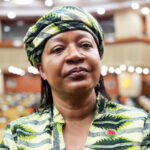
Benadetta Chiwanda Mia is among dozens of female editors, reporters, broadcasters and photographers who keep notebooks open and eyes fixed on the podium.
They are not just here to listen; they are here to imagine what Malawi could look like if more women’s voices truly shaped the nation’s future.
Chiwanda Mia is one of the many journalists attending a session where selected speakers are addressing women in the media.
At the podium stands the Chairperson for the Malawi Electoral Commission (Mec), Judge Annabel Mtalimanja: calm, confident and commanding.
She looks across the hall and speaks with conviction: “True governance that allows women’s leadership to grow goes beyond the ballot box,” she says. “It’s not just about getting women elected; it’s about helping them stay, lead and influence.”
- Advertisement -
Mtalimanja says Malawi’s progress towards meeting gender equality goals in politics has been a long journey—marked by small victories and persistent challenges.
In the September 16, 2025 Parliamentary Election, 48 women were elected to the 229-member Parliament, up from 40 in the previous election. That is just 21 percent representation, still far from the 50-50 dream Malawi has been pursuing for years.
Still, for many of the women gathered in the hall, each additional seat represents a voice reclaimed—a space where women can speak, decide and lead.
Mtalimanja challenges female journalists to follow female leaders beyond the campaign trail—to tell stories of substance, not scandals.
- Advertisement -
- Advertisement -
“Judge women by their work, their honesty, and their impact,” she says. “Not by their looks or personal lives.”
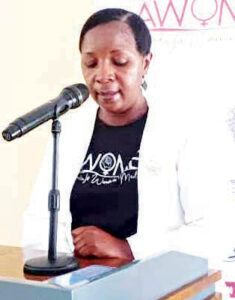
Awome Chairperson Dorothy Kachitsa believes the media has a crucial role to play in sustaining women’s voices.
“The media is not just an observer,” she says. “We are part of democracy. How we write and talk about women can either build them up or bring them down.”
Her message resonates deeply with the room full of female journalists—women who often balance reporting the news with living the very gender realities they cover.
For Awome Trustee Jayne Gogodus, changing the way society views women in leadership starts with the stories journalists choose to tell.
“When women lead, debate or make big decisions—that should be seen as normal,” she says. “The stories we tell can change how society sees women in power.”
Her words carry both encouragement and warning.
Gogodus reminds journalists of the influence they hold.
“You are more than reporters. You are architects of narratives, challengers of stereotypes and guardians of democracy,” she says.
She pauses, scanning the audience.
“We face barriers—bias, underrepresentation, unequal pay—but when women support women, we are unstoppable,” Gogodus says.
The applause that follows feels like a collective promise.
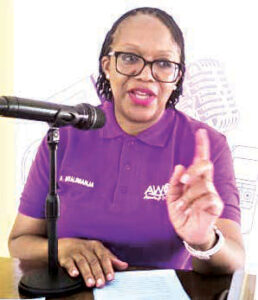
Mtalimanja also used the gathering to reflect on Mec’s recent efforts to make elections more inclusive and gender sensitive.
During the September 16, 2025 Presidential, Parliamentary and Local Government Elections, half of all polling staff were women—a first in Malawi’s electoral history.
Women, youths and people with disabilities also received a 50 percent discount on nomination fees, making it easier for marginalised groups to contest.
“These steps are meant to give everyone a fair chance,” Mtalimanja said. “Inclusion must be built into every stage of the election process.”
She also reminded the audience that Mec has consistently used the media to educate citizens—maintaining a weekly election column for over 13 years, a rare example of sustained public engagement.
The Mec Chairperson urged journalists not to limit the coverage of women to election periods.
“Elections are a cycle,” she said. ‘If you wait until nomination time to start writing about women’s empowerment, it will be too late,” Mtalimanja explained.
Her point was echoed by Ireen Mseteka, Likoma District Information Officercum-journalist.
“The theme reminds us that women’s participation shouldn’t stop at voting or contesting.
“We must continue engaging in decision-making, policy influence and leadership long after the elections are over,” she said.
The gathering also served as a moment of reflection and celebration for women in the media. From rural reporters covering grassroots issues to senior editors shaping national conversations, their stories reflect courage, resilience and the daily fight for equality in newsrooms.
“When women tell the story, the story changes.”
“Your stories can transform Malawi,” Mtalimanja said.
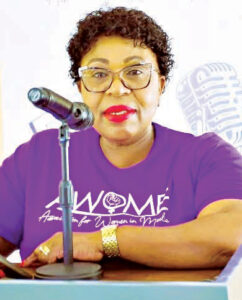
Awome members agreed that mentorship must be at the heart of their movement—pairing young reporters with seasoned journalists to grow in confidence and cultivate leadership skills in the media industry.
As the meeting closed, the women rose to their feet—some embracing, others quietly jotting notes in their diaries.
The message was clear: this is more than a professional gathering; it is a sisterhood. The call to action from Gogodus still lingers: “Let us not wait for permission to lead. Let us mentor, advocate and innovate. Let us challenge the status quo and rewrite the rules.”
For a country still striving to reach gender equality, these voices—bold, persistent, and united—are a reminder that democracy does not end at the ballot box. It begins when every voice, especially a woman’s, is heard and sustained.