





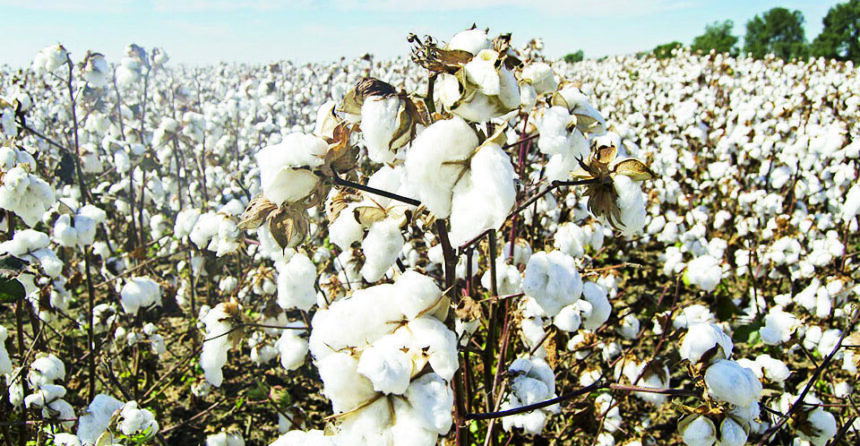
Prices for one of the countries cash crops, cotton, jumped by 11 percent, three weeks into the 2024 marketing season, Times Business has learnt.
The prices have moved to K1, 000 per kilogram (kg) from the government set minimum price of K900 per kg for the 2024 season.
However, the amount is K200 shy of the K1, 200 per kg asking price farmers negotiated prior to opening the market.
In an interview, president of the Cotton Farmers Association (Cofa) Lapson Zidana said the development has excited farmers as this means increased earnings.
“This is mainly happening to farmers who bring to the market at least a tonne of cotton. They are given K1, 000 for each kg. We know there was a lot of going back and forth during negotiations with the buyers and therefore we do not expect the prices to rise further but we remain optimistic.
- Advertisement -
“The future remains promising we only need issues around seed to be addressed as soon as possible because the high cost of seed is a major deterrent,” Zidana said.
He added that the Association secretariat is expected to go round markets this week to determine the amount of tobacco sold and revenue realised.
According to the Cotton Council of Malawi (CCM) the country produced about 10 million kg of Cotton in 2024 similar to the preceding year.
In an earlier interview, agriculturalist Leonard Chimwaza said the cotton sector is facing a number of challenges which stifle growth. For example, he said production is at its lowest in decades, down by 50 percent from 2011.
- Advertisement -
- Advertisement -
“This is damaging both companies’ investment and farmers’ incomes, and threatening the sector’s future. It is also not good in the quest to move Malawi to a middle-income country.
“There are many reasons why overall production is at a historical low, including low yields due to erratic rainfall, high prices of seeds, untimely availability of seed, poor agriculture extension services, low world cotton price and poor-quality inputs given to farmers,” Chimwaza said.
Stakeholders in the sector are proposing to have close to 45,000 hectares subjected to cotton production which requires both public and private investments in the cotton sector.