By Grace Makawa:
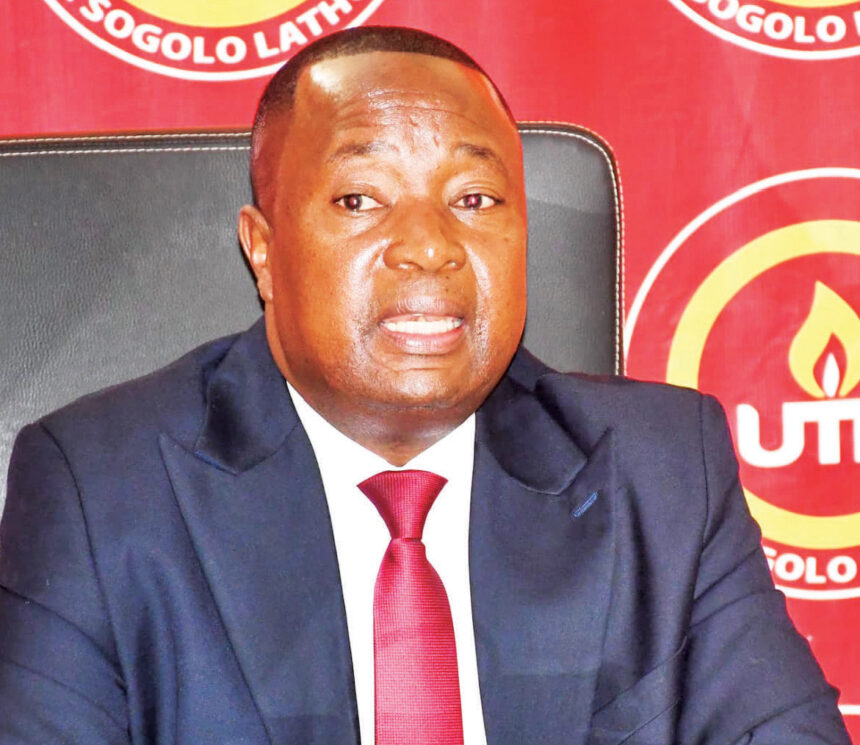
UTM president Dalitso Kabambe has challenged the Democratic Progressive Party (DPP) administration to accelerate implementation of public sector reforms, arguing that weaknesses in the government systems could continue to undermine Malawi’s development efforts.
He was speaking yesterday on Times Radio’s ‘Kulinji’ programme. “If the public service cannot be fixed, then we should forget about the advancement of [goals for] this country,” Kabambe said. His concerns come against the backdrop of documented weaknesses in Malawi’s public procurement system.
A Public Investment Management Assessment by the government and development partners previously identified gaps in procurement monitoring, noting that public procurement had not been adequately monitored and that Malawi lacked a comprehensive procurement database. The assessment also found weaknesses in publication of procurement opportunities and contract awards, as well as limited capacity for systematic procurement audits.
Kabambe’s call also comes against a longer-running public-sector reform agenda, including a 2021 taskforce that reviewed allowances, procurement, employment contracts, conditions of service, remuneration and institutional restructuring.
- Advertisement -
Kabambe also raised concern over civil servants’ remuneration, arguing that poor salaries needed to be addressed if the government expected an efficient and motivated public service.
The 2026 Annual Economic Report says increases in public-sector salaries and recruitment contributed to growth in public administration in 2025, while projecting slower growth in the sector in 2026 as government pursues fiscal consolidation.
Meanwhile, social accountability activist and Centre for Social Accountability and Transparency Executive Director Willy Kambwandira has said austerity measures in the public sector would have little value if they were being implemented merely because the International Monetary Fund (IMF) is coming into the country.
The DPP’s 2025 manifesto also commits the party to restructuring the civil service for efficiency, adjusting salaries to match living costs and improving service delivery.