




Construction of the K43 billion Cresta Lifestyle Hotel in Blantyre has been hampered by foreign exchange (forex) shortages, with the project now significantly behind schedule, officials revealed on Thursday.
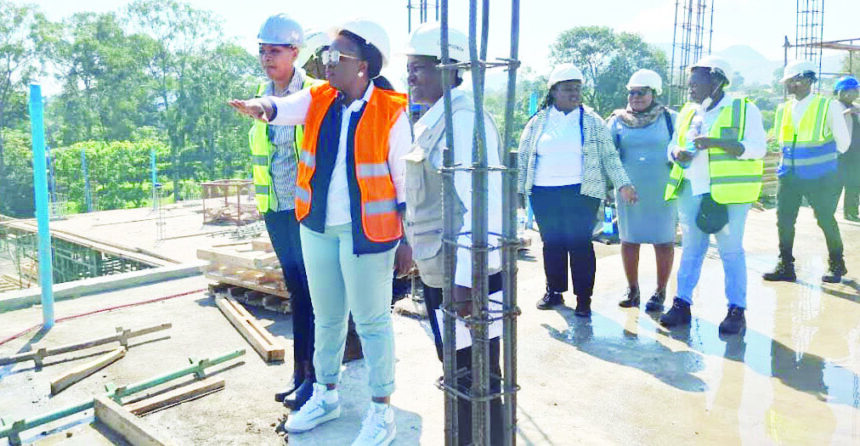
Minister of Tourism Vera Kamtukule visited the site of the Public Service Pension Trust Fund (PSPTF) project, where she learned that construction has stalled at just 18 percent completion against an expected 60 percent at this stage.
The 109-room hotel and conference centre, initially valued at $27 million, was scheduled for completion in 2027 but now faces delays due to the forex crisis affecting imports of critical building materials.
A member of the project’s executive committee representing Old Mutual Group, Linda Phoya, said about 80 percent of the building materials such as steel are being imported, hence the delay.
- Advertisement -

PSPTF Principal Officer George Jim confirmed the scale of the challenge, saying the project requires billions of Kwacha worth of imported materials sourced at varying exchange rates from different banks.
- Advertisement -
“The scarcity of forex will have a multiplier effect on the project which, for now, I cannot quantify, but we believe it will be a significant amount that is going to be affected. There will be a cost escalation,” Jim warned.
The revelations caught Kamtukule by surprise, as the developers had apparently not formally approached her ministry for assistance despite the government providing tax incentives for construction materials and operational equipment.
“This is the first time I am hearing this. They did not come to us to say they are facing this challenge. The government has procedures in place to assist major tourism infrastructure projects.
“There are avenues or procedures that are followed to assist others implementing projects like these, which have an impact on the economy,” Kamtukule said.
- Advertisement -
The Cresta Lifestyle Hotel project features a 300-seater conference centre alongside smaller meeting rooms.
PSPTF, which manages pension funds for government employees, is developing the hotel as part of its investment diversification strategy to generate returns for its members.
said.
Latest tobacco sales figures underscore the industry’s struggles, with week 11 data showing 113 million kilogrammes sold for $283.6 million at an average price of $2.51 per kg.
This represents a significant decline from last year’s performance when 112 million kg generated $327 million at an average price of $2.90 per kg.
The combination of reduced volumes and lower prices has created a perfect storm, pushing farmers toward smugglers who offer immediate cash payments, albeit at below-market rates.
Tobacco remains Malawi’s primary foreign exchange earner, making the smuggling crisis a big threat to the country’s economic stability.
Industry stakeholders stress that addressing the root causes of slow auction floor sales remains crucial in providing farmers with legitimate alternatives to smuggling.