restructuring is vital for stability
The International Monetary Fund (IMF) Executive Board on Thursday said Malawi is on track to achieve the objectives of the 12-month Program-Monitored with Board involvement (PMB).
PMB is an informal agreement between an IMF member country and IMF staff to monitor the member country’s economic programme.
That Malawi is on track on this programme could mean that Lilongwe is inching closer to an ECF [] programme with the fund.
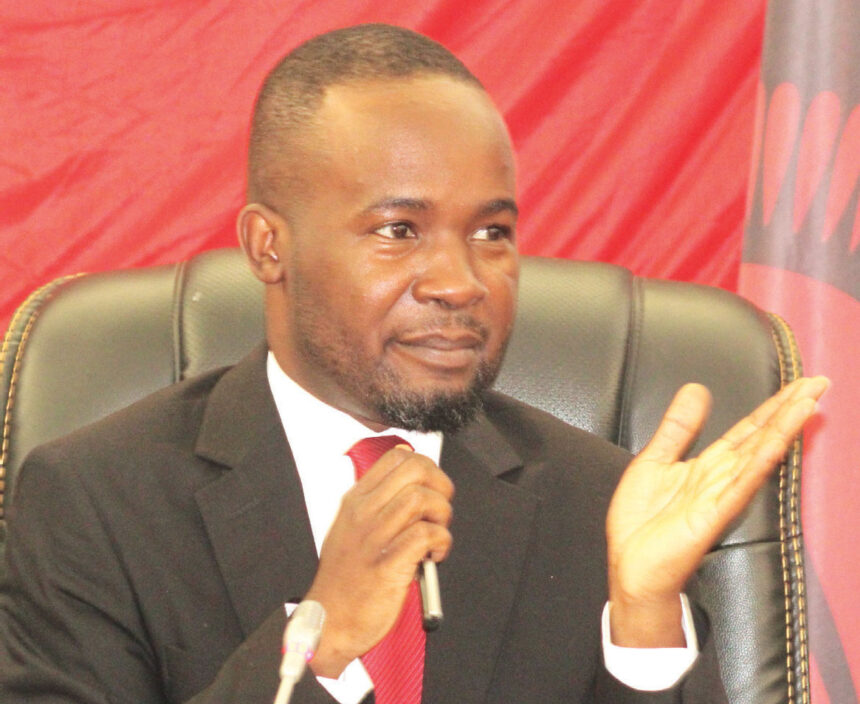
Finance Minister Sosten Gwengwe hExtended Credit Facilityas since described the tidings coming from Washington DC as encouraging.
Among others, the IMF Board noted that Malawi’s performance under the PMB has been mixed, but it notes that the authorities are addressing challenges and continue to commit to the PMB’s agreed macroeconomic adjustment path and policy reforms.
- Advertisement -
According to the IMF Board, Malawi is taking corrective actions necessary to demonstrate capacity to implement the agreed macroeconomic adjustment and reforms, as well as to build the policy track record needed to support their prospective request for an ECF arrangement.
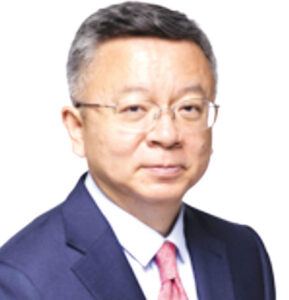
IMF Deputy Managing Director, and Acting Board Chairperson, Bo Li, said in a statement yesterday that steadfast implementation of and unwavering commitment to the PMB will be critical to restore macroeconomic stability and establish a track record to support a prospective request for an ECF arrangement.
“Successful debt restructuring is vital to deliver macroeconomic stability. The authorities’ external debt restructuring strategy aims to bring external debt service down substantially through a significant treatment of commercial debt and official bilateral debt,” Li said.
According to Bo, fiscal discipline, supported by a robust Public Financial Management (PFM) system and timely production of comprehensive fiscal reports, remains critical.
- Advertisement -
- Advertisement -
He said rebuilding buffers is critically important to reduce Malawi’s vulnerability to external shocks.
“Addressing weakness in governance and institutions remain important priorities, as demonstrated by the recent fertiliser deal, which is concerning from a governance perspective. The authorities’ governance and procurement practices should be strengthened to avoid such incidents in the future.”
Reacting to the news, Gwengwe said Lilongwe is encouraged by the sentiments coming from Washington.
According to Gwengwe, the most sustainable way to deal with the imbalance of Malawi’s macro fundamentals is through a programme with the IMF.
“Our economic situation has been too dire and putting up a programme together has been tough and slow so far,” Gwengwe said.
Moving forward, Gwengwe said that passing the second review, whose test date was June 30 is a must for Malawi.
He expressed hope that China and India would give Malawi debt restructuring assurance letters in time.
Malawi now awaits a second IMF assessment in September which would determine the country’s readiness for an ECF programme with the Fund.