By Kingsley Jassi:
Investors on the Malawi Stock Exchange (MSE) are demanding clarity on how the capital gains tax will be implemented, with concerns mounting over whether gains made before the November 2025 introduction will be taxed retrospectively.
The Minority Shareholders Association of Listed Companies (Misalico) has described the tax as a dent in what was set to become the best year for investors, with the bourse recording a 237.9 percent capital gain to close 2025 at K32.4 trillion from K9.5 trillion at the start of the year.
Following the gazette of the new tax, any profits realised from sales of shares on the stock market attract 30 percent tax for locally registered companies and 35 percent for foreign companies on the local bourse.
- Advertisement -

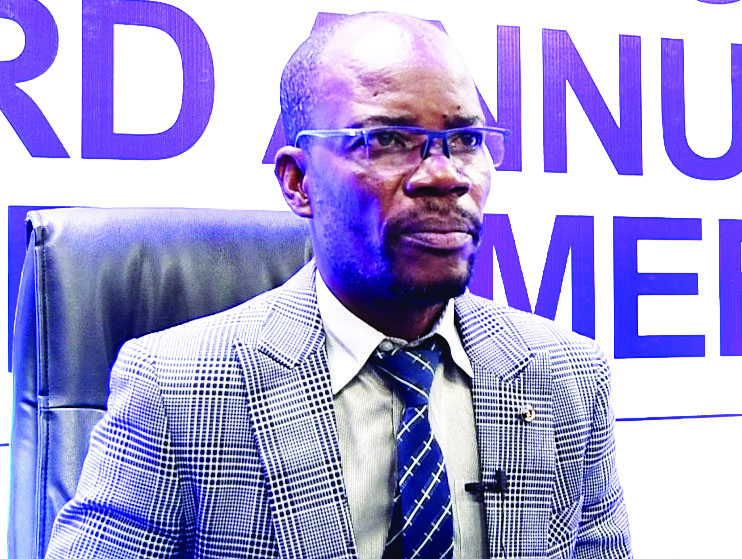
In an interview, Misalico General Secretary Frank Harawa said investors were uncertain on how the tax would be calculated, considering that some invested long ago on the basis that they would not be taxed on the profits made.
- Advertisement -
“It is now a law but we are still not sure about how it is going to be implemented because there are a lot of areas that need to be clarified.
“We invested knowing what would not be taxed and the question is: Will they tax the gains made before the tax was introduced? That would not be fair and this scares away investors when the capital market needs to attract more investors,” Harawa said.
MSE slowed down towards the end of 2025 as the surge in capital gains reversed on some counters, with investors saying this was a response to the capital gains tax introduced in November last year.
Investors and experts say the tax has now positioned the country poorly, making Malawi a less profitable destination to invest in stocks compared to regional peers, where similar gains remain tax-free or attract lower rates.
- Advertisement -
One investor, Benedicto Nkhoma, in a write-up about the tax, argued that it may drive investors away from MSE in preference of property, cash holding and offshore investments.
“In an economy that urgently needs private sector growth, jobs and innovation, tax policy should not only aim to collect revenue but also to stimulate confidence, encourage investment and deepen markets,” Nkhoma said.
In a recent interview, MSE Chief Executive Officer John Kamanga said they were engaging the Finance Minister on the matter, arguing that it would erode investor confidence and affect the performance of the capital market when it needs to grow and contribute to economic transformation.
Despite the concerns, individual counters posted strong performances for the year.