









From July 7 to 9, the African Union (AU) led the continent in commemorating African Integration Day under the theme ‘Accelerating Job Creation, Digital and Financial Inclusion in the African Continental Free Trade Area (AfCFTA) Market’.
The initiative dates back to 2019 when AU Heads of State and Government designated July 7 as African integration day to celebrate major achievements in regional and continental integration.
Africa’s integration has an overarching goal of achieving an African Economic Community at continental level, using six successive stages, which include the strengthening of sectoral cooperation and the creation of regional free trade areas, establishment of a continental customs union, a common market and monetary and economic union.
Malawi entered into numerous trade integration agreements such as the AfCFTA, Comesa, Sadc.
But what has she earned from such pacts?
- Advertisement -
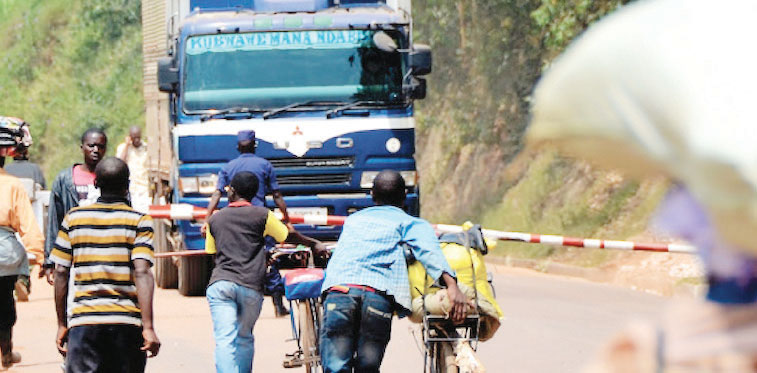
President of the Cross-border Traders Association of Malawi Steve Yohane says there are huge opportunities for local traders on the international market but that they are frustrated by Non- Tariff Barriers (NTBs).
“There are a lot of barriers that are created mainly to protect economies. So, NTBs are a hindrance. We want as many agencies as possible to know the impact those NTBs have on international trade,” Yohane said.
NTB is a way of restricting trade using trade barriers in any form other than a tariff.
According to Comesa, intra-regional trade is currently at seven percent, which is partly because of the Non-Tariff Barriers to trade.
- Advertisement -
- Advertisement -
President of the Malawi Union of Small and Medium Enterprises Barbara Banda says Malawi has not benefitted from integration.
“We recently witnessed a group of SMEs with tomatoes held at Songwe and being perishable. The traders were crying at the risk of losing their product and coming back home to face the lenders who gave them money.
“No policies should be implemented without enough awareness among the stakeholders. In my capacity as president of SMEs, it was my first time to hear that there was a policy prohibiting importation of produce under certain conditions. At the regional level, there is no trust and intentionality to produce a product by adding value at the competitive point of production,” Banda said.
But Director of Trade in Goods at the Ministry of Trade and Industry Charity Musonzo said discussions are at an advanced stage involving all trade blocks which Malawi is party to.
“We are participating in a tripartite arrangement that is bringing together Sadc, the East African Community (EAC) and Comesa. Between the three blocs, we have an online platform where any stakeholder can report on any encounter where such issues will be dealt with on a case-by-case basis,” Musonzo said.
Comesa Senior Customs Affairs Officer Balness Sumani says the body has come up with regulations as well as reporting tools to resolve the NTBs which are affecting intra-regional trade under the bloc.
“In terms of rules of origin, we insist to the need to build capacity and sensitise the traders to rules of origin so that they understand that their goods are required to meet certain criteria for those goods to be cleared duty free under the Comesa trade agreement,” Sumani said.


