Malawi might have failed to realise about $885 million (close to K900 billion) in its farm produce supply deal with South Sudan.
Under terms of the deal, Malawi was given the nod to supply maize, maize flour, groundnuts and beans to South Sudan.
The agreed quantity of produce was 180 metric tonnes (mt), which would have generated about K295 million for Malawi every year.
The five-year deal, which was facilitated by Ideal Group Limited involving Trinity Holdings of Sudan as the buyer, was signed in 2021.
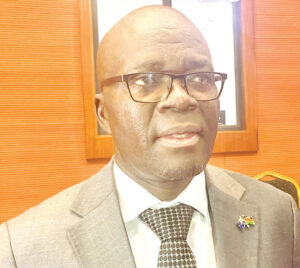
However, Trade, Industry and Tourism Committee of Parliament Chairperson Paul Nkhoma shocked fellow legislators when he indicated that Malawi managed to supply only 1,200mt.
- Advertisement -
“There is no one you can point at as being responsible for organising the export of the 180,000 metric tonnes. We feel that the Ministry of Agriculture should have been the first one to organise farmers, not leaving it to what the committee called a small firm to organise [the export of] 180,000 metric tonnes of cereals per year for five years,” he said.
Nkhoma said Idea Group experienced challenges in getting paid by Export Development Fund, citing it as one of the hiccups that affected the deal.
It also emerged that some of the produce, including maize flour, arrived in Sudan while rotten after being delayed for some months in transit.
Leader of the House Richard Chimwendo Banda acknowledged that the report had identified weaknesses “or missed opportunities from a deal” which was supposed to help the country generate forex and empower farmers.
- Advertisement -
- Advertisement -
“The report highlights quite a number of issues, from institutional challenges [to others]. We are talking about an opportunity which was already signed, a deal which was already done, and there was expectation from Malawians that the deal would be done,” Chimwendo Banda told The Daily Times.
He commended Forum for National Development for alerting Parliament on the matter.
However, Chimwendo Banda asked Parliament to be playing a proactive, other than reactive, role.
“What we are doing could be taken as being reactive. We want to be proactive because it is in our Constitution that we have legislation, oversight and representation as our mandate.
“It‘s an obligation of us, members of Parliament, to be providing the three. We don’t have a choice; it is a constitutional mandate for members of Parliament to provide oversight and, therefore, being in committees gives us an opportunity to interrogate, probe and also guide and help ministers push forward policies that the government raises,” he said.
Lawmakers who contributed to the issue expressed dismay that the country let an opportunity to generate forex slip through its fingers.