Malawi is ranked second globally on cervical cancer incidence and mortality rates, according to world estimates in 2020 as released in the HPV Information Centre 2023 fact sheet.
According to the data, cervical cancer accounted for 37 percent of all new cancer cases among females.
The estimates also show 4,145 new cases and 2,905 deaths from cervical cancer in 2020, an increase from the 2012 statistics of 3,684 new cases and 2,314 deaths from the disease.
George Chilunda, Médecins Sans Frontières (MSF) Onco-Surgeon said the prevailing perception is that only 20 percent of patients diagnosed with cancer have treatable cases and that the remaining patients have locally advanced or very advanced cancers.
“At Queen Elizabeth Central Hospital (QECH) and Kamuzu Central Hospital (KCH), some patients with locally advanced cancers are given chemotherapy in the hope of reducing the size of the tumor mass, which may make surgery possible for some patients,” he said.
- Advertisement -
Chilunda further said a recent study conducted in Blantyre has challenged the widely-held belief that a lack of resources and limited access is the primary reason for low cervical cancer screening rates among Malawian women.
The study found that despite having knowledge of the symptoms and the importance of screening, most women do not believe that they are personally at risk and, hence, do not go for screening.
“Moreover, some women are unable to find the time or motivation to go for screening and instead seek medical attention only when symptoms manifest.
“Unfortunately, the Malawi health system faces many barriers in diagnosing those with symptoms, and for many women, the disease has already progressed significantly by the time a diagnosis is made,” he said.
- Advertisement -
- Advertisement -
Chilunda further said among others early diagnosis of cervical cancer, routine cervical cancer screening and awareness are crucial for improving treatment outcomes and reducing death rates.
“Routine cervical cancer screening programs are essential for detecting precancerous changes or early-stage cancer before symptoms develop. Ensuring access to cervical cancer screening services for all women, particularly those at higher risk or living in underserved areas, is critical.
“Public awareness campaigns and educational programs aimed at promoting the importance of cervical cancer screening, signs and symptoms of the disease, and the benefits of early detection are essential. By addressing some of these components, healthcare systems can improve early diagnosis of cervical cancer, leading to better treatment outcomes, reduced morbidity and mortality, and ultimately, a decrease in the burden of the disease,” he said.
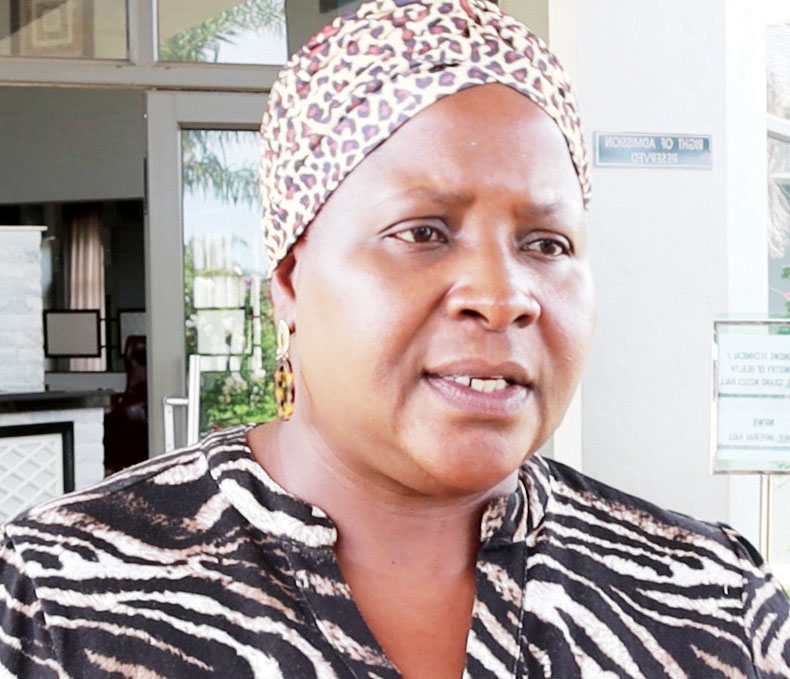
Minister of Health Khumbize Kandodo Chiponda said this is a call for the country to come together to do something drastic and change the dynamics of the cancer situation.
Kandodo Chiponda admitted that currently Malawi is not doing well in regards to HPV vaccine administration to the targeted group.
“As a country our indicators are not all that good because in terms of vaccine coverage we are at 44 percent which is not good enough. So as a ministry, we have embarked on another campaign. We will do another campaign to sensitise and energise the community that we need to go and vaccinate our children. This time around the target group is from 9-15 years and they will get only one dose of the vaccine,” she said.
Health rights activist Maziko Matemba said it is worrisome that Malawi is one of those leading cervical cancer cases in the world.
“As CSOs our role is to continue raising awareness for women to get HPV vaccine as means of prevention but also that those vaccines are available with a proper financing mechanism,” he said.
The 2020 estimations show that about 76,745 new cervical cancer cases are diagnosed annually in Africa and it ranks as the second leading cause of female cancer in Africa.