




By Kingsley Jassi:
Lindian Resources, an Australian company that is implementing the Kangankunde Rare Earth Mining Project in Balaka District, has hinted that the US-China ‘trade war’ positions Malawi as the next key source of rare earth minerals.
China, the world’s largest producer of rare earths minerals, has responded with export controls of the critical minerals in high tech industries following the 65 percent import tariff imposed by the US, affecting Chinese exports to that country.
According to Lindian, with tighter export licences and dual-use scrutiny, this directly impacts Western and Japanese manufacturers, consequently slowing supply, stalling magnet production and increasing the urgency for alternate sources.
“Amid this geopolitical reset, Australia’s Lindian is pushing ahead with Kangankunde in Malawi—arguably the most advanced rare earths project heading into production by 2026,” the company says in its recent update.
- Advertisement -
Stage one of the Balaka project is regarded as a low risk and economically robust one, expected to annually produce 15,300 tonnes at 55 percent concentrate rich in neodymium and praseodymium (NdPr).
The two elements are used to enhance magnet strength and durability, especially in alloys for high-strength motors and wind turbines. Additionally, praseodymium finds use in high-strength metals for aircraft engines and in carbon arc lights
“As the West scrambles to secure non-Chinese supply, Lindian’s Kangankunde is shaping up to be a cornerstone in the future rare earth’s landscape,” the company says.
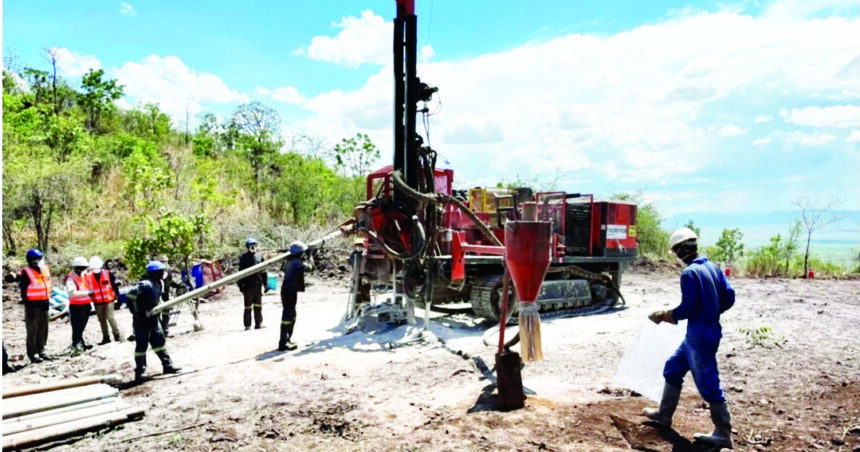
The Kangankhunde Rare Earth Mine is projected to generate at least $1 billion in economic and social benefits during its lifespan, and the company says road construction works in the mine site area are progressing well ahead of schedule, and the company says offtake negotiations are progressing.
- Advertisement -
The proposed mine’s prospects, with 261 million tonnes of ore, positions the country better as the next important source of critical minerals.
Other projects include the Songwe Hill in Phalombe and the country also has other deposits being explored in a number of sites.
Mining expert Grain Malunga said Malawi’s mineral worth makes it a potentially significant player on the global market of key minerals but that it needs to invest in the development and ownership of the mines.
Malunga sees a gap in Malawian’s interest in the mining sector, which continues to attract foreign investment in exploration and mining development.
“If the country wants to benefit more from these minerals, then we need to invest in exploration, which requires a lot of financing,” he said.