By Alick Ponje in Kigali, Rwanda:
There is a sense of relief among HIV scientists and advocates working to end the epidemic as a public health threat by 2030, following the United States (US) Senate’s move to safeguard key HIV funding from proposed cuts.
The funding in question supports the US President’s Emergency Plan for Aids Relief (Pepfar), a vital initiative in the global fight against HIV.
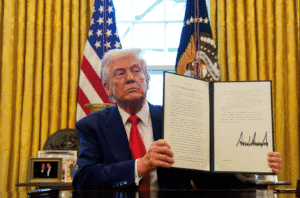
A proposed $400 million reduction to Pepfar was announced as part of a broader $9.4 billion rescission package introduced by President Donald Trump in January this year.
The proposed cuts are said to have already caused significant disruption to efforts aimed at tackling the epidemic, putting at risk life-saving research, prevention and treatment initiatives in low-income countries such as Malawi.
- Advertisement -
“Pepfar has been one of the greatest success stories in global health, transforming the HIV response,” said International Aids Society (IAS) president Beatriz Grinsztejn.
Grinsztejn was speaking at a press conference during the 13th IAS Conference, taking place in Kigali, Rwanda, following news of the US Senate’s intervention.
She said global advocacy had played a key role in persuading US lawmakers to preserve the programme, “reminding them that decisions about Pepfar shape the health and futures of people around the world”.
However, Grinsztejn also warned that uncertainty persists, with ongoing threats to global health funding, and urged continued vigilance from all parties involved.
- Advertisement -
- Advertisement -
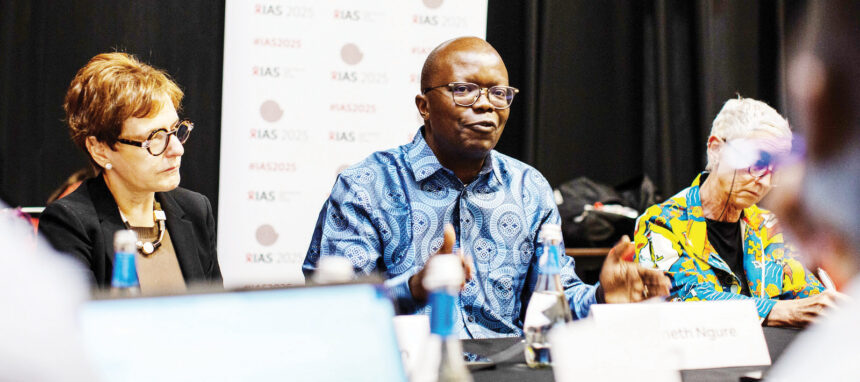
IAS president-elect Kenneth Ngure underlined the importance of the decision for Africa, the continent most impacted by the HIV epidemic.
“Pepfar is a lifeline for communities across Africa. Restoring this funding would mean hope for people living with and affected by HIV.
“But African leadership must remain central in shaping our response and we need to continue advancing conversations around sustainable financing – including stronger domestic investments and strategies to reduce dependence on global donors,” Ngure said.
According to the IAS, Pepfar has saved 26 million lives over the past two decades and protecting the programme “could save millions more”.
Meanwhile, both the US Senate and the House of Representatives must still vote on the final rescission package, and further changes may be introduced before the statutory deadline for action, which falls on Friday.
In January 2025, Trump signed Executive Order 14169, titled ‘Reevaluating and Realigning United States Foreign Aid’, which paused all US foreign development assistance programmes for 90 days to allow for a review.
This order led to the suspension of existing foreign aid initiatives, including Pepfar, with exceptions made for “life-saving assistance”.
In Malawi, the suspension of Pepfar funding is reported to have seriously disrupted the national HIV response, affecting more than 4,000 healthcare workers and halting key services such as pre-exposure prophylaxis, outreach to vulnerable populations and HIV prevention programmes.
Health rights activists in the country have since welcomed the US Senate’s move to shield Pepfar from the funding cuts.
“Pepfar provides significant support, particularly in strengthening systems for the provision of HIV-related services,” said Maziko Matemba, Executive Director of the Health Rights Education Programme.
He added that when the US government decided to freeze the support, many programmes in developing countries, especially those directly involved in HIV work, stalled.
“We need a smooth transition and for a country like Malawi, which has received support through Pepfar, this is crucial.
“A smooth transition will help ensure that in future, the country can absorb some of the programmes or services that Pepfar has been providing,” Matemba said.