By Wezzie Gausi:
The government says it is still consulting stakeholders on domestic debt restructuring, even as Malawi moves closer to concluding broader debt restructuring negotiations with external creditors.
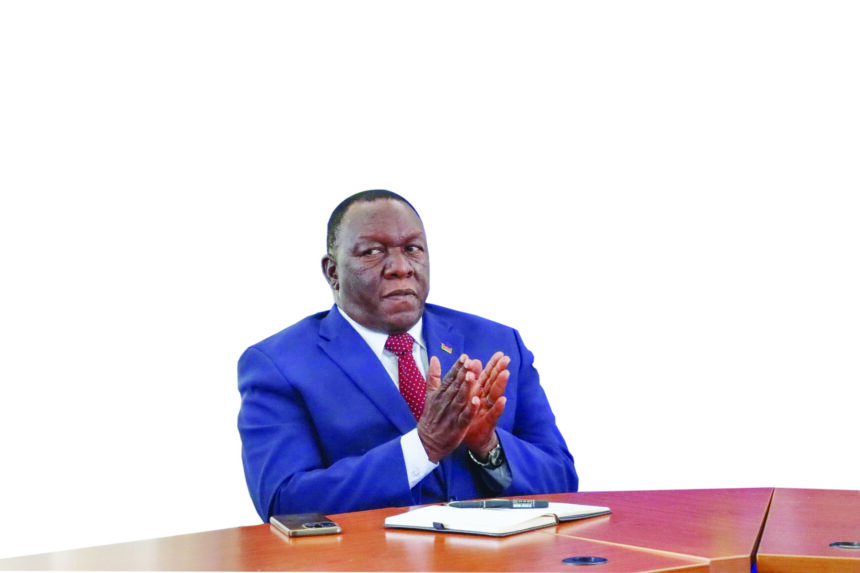
In an interview, Secretary to the Treasury Cliff Chiunda said the Treasury was engaging commercial banks and other domestic creditors before settling on firm decisions.
“We are currently engaging all stakeholders involved in the domestic debt restructuring process.
- Advertisement -

“At this stage, the government does not yet have the exact figure of what is owed to domestic creditors. We will assess the situation and determine the best way forward, and this will be done as soon as possible,” Chiunda said.
- Advertisement -
The domestic debt discussions come at a time of growing fiscal strain, with the Treasury confirming that nearly half of domestic revenue in the 2025-26 national budget has been allocated to debt servicing.
As of 2025, Malawi’s public debt remains elevated, with external debt standing at over $200 million. Domestic obligations continue to exert significant pressure on government finances.
In a separate interview, economist Marvin Banda cautioned that domestic debt restructuring should not be confused with debt cancellation, stressing that its impact will depend on the approach government ultimately adopts.
“Domestic debt restructuring is not a monolithic process. Its effects cannot be determined without knowing which method the Minister will propose and which one debt holders will agree to,” Banda said.
- Advertisement -
He warned that the impact would extend beyond commercial banks to pension funds and other institutional investors that hold government securities.
According to Banda, options such as extending maturity periods or reducing coupon rates, rather than applying outright haircuts, would still hurt bank profitability in the short term, particularly because a large share of domestic debt is set to mature between now and 2028.
“This would mean immediate losses through delayed and unrealised profits, while banks may reduce their exposure to public debt unless money supply continues to expand,” he said.
He added that banks would likely diversify their investments and adopt more cautious lending strategies, which could initially constrain private sector credit.
On the broader economy, Banda said domestic debt restructuring could create fiscal space, noting that debt servicing absorbed about 54 percent of domestic revenues in the previous budget.
“This has the potential to reduce fiscal deficits and support a recovery in private sector credit over the medium to long term,” he said, while warning that poorly designed or implemented restructuring could worsen financial instability, trigger job losses, and slow economic recovery.
Banda said restructuring remains necessary to correct distortions in the financial sector, where profitability has been driven by heavy exposure to government debt and the financing of fiscal deficits.
The government says the ongoing assessment of domestic debt will inform the restructuring approach as part of wider efforts to restore debt sustainability and stabilise the economy