By Wezzie Gausi:
The United Nations Children’s Emergency Fund (Unicef) has committed to continue supporting the country’s health sector to ensure that the country attains Universal Health Coverage (UHC) goals.
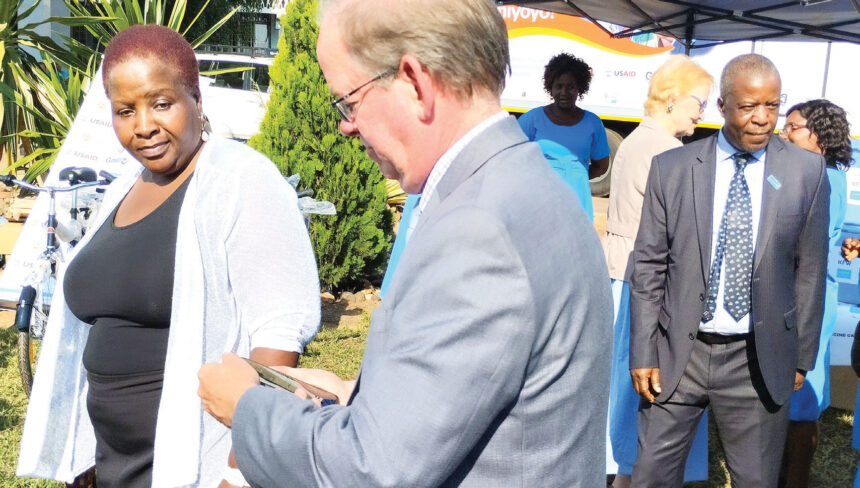
Unicef Country Representative Shadreck Omol was speaking during the official handover of community health, non-communicable diseases (NCDs) screening and immunisation supplies to the Ministry of Health.
Omol said time has come to start investing more in the screening and treatment of NCDs.
He said Unicef believed that the items would help the country address challenges associated with such issues as immunisation and NCDs.
- Advertisement -
“Our organisation commits to continue supporting the health sector in Malawi. We know that the sector needs more support, especially with disease outbreaks that have claimed many people’s lives,” Omol said.
Health Minister Khumbize Kandodo Chiponda said the equipment received would be used for the intended purpose.
She said the items have come at the right time when community health workers need support to execute their work.
“The donations have come at a time the ministry and partners are implementing polio immunisation campaigns in line with recommendations from the Global Polio Eradication Initiative.
- Advertisement -
- Advertisement -
“We also have plans to implement an integrated Tithetse Cholera Campaign before the rainy season starts,” Kandodo Chiponda said.
This week, the Ministry of Health announced that, as one way of keeping cholera at bay, healthcare workers will embark on a door-to-door Tithetse Cholera Campaign.
The development comes after, in March last year, Malawi started battling one of the worst cholera outbreaks in recent memory.
Meanwhile, United States Ambassador to Malawi David Young has said, with the emergency phase of Covid now behind, they are refocusing on strengthening primary health to deliver integrated services, including Covid and cholera prevention.
“Over a lifetime, 90 percent of health needs can be met through primary healthcare services, and integration saves lives because people receive care for all their needs, and not just one specific disease,” Young said.
Some of the things donated include three refrigerated vans, 280 refrigerators, 6,000 vaccine carriers and 100,000 water packs dedicated to effective vaccine management.
Others are 350 phone tablets to revolutionise real-time data capture and surveillance of immunisation efforts.