




By Pemphero Malimba:
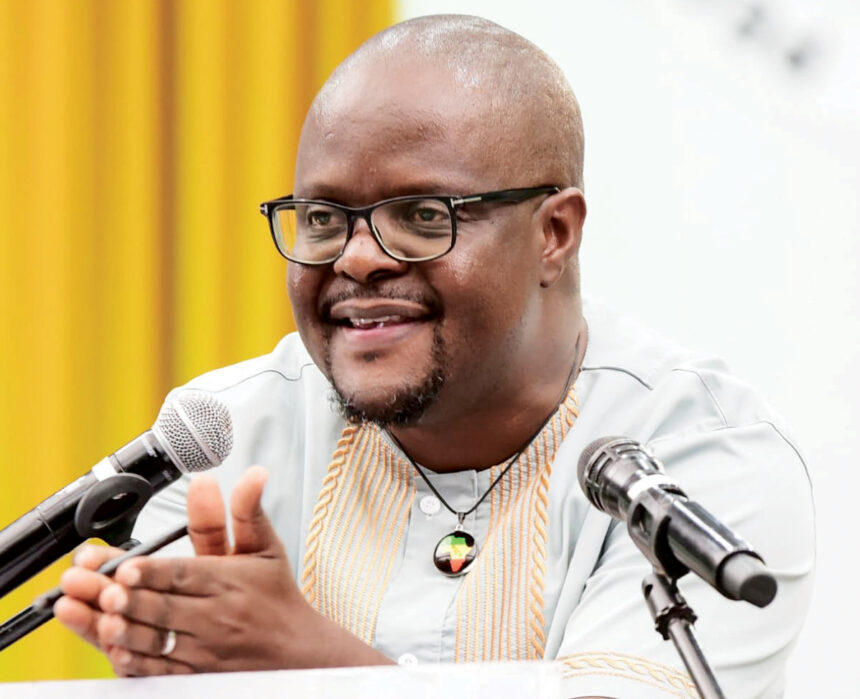
Former Cabinet minister Vitumbiko Mumba has warned that failure to publicly fund tertiary education in public universities could hinder Malawi’s efforts to break the cycle of poverty.
Mumba said this during the launch of the People Over Politics Foundation and Public Universities and Colleges Students Stipend Fund in Lilongwe on Friday night.
Mumba, who founded and finances the fund, said requiring individuals to finance their own education was creating another layer of inequality for an already marginalised majority.
“For a country like Malawi, where over 70 percent of the population lives below the international poverty line, tertiary education in public universities must be publicly funded. Otherwise, inequalities will persist,” he said.
- Advertisement -
He said economic inequalities had been entrenched across major sectors for decades, resulting in most means of production being controlled by non-indigenous Malawians.
He argued that more than 90 percent of the means of production were owned by non-indigenous Malawians, while indigenous Malawians accounted for less than 10 percent.
“A country cannot fully control its economy when more than 90 percent of its means of production are owned by non-indigenous citizens,” Mumba said.
He said the foundation sought to address such inequalities by supporting access to education and promoting economic inclusion.
- Advertisement -
- Advertisement -
“Through this work, People Over Politics is not merely a mantra, slogan or cliché. It is a living experience for the people who benefit from the foundation’s work,” he said.
Immediate past president of the Nelson Mandela University Students’ Representative Council Lathitha Mbuzwana said challenges facing students in Malawi were similar to those experienced across Africa.
He said inadequate learning equipment, accommodation and financial support affected students’ ability to remain in university.
Mzuzu University Dean of Students Agness Hara said the foundation’s intervention was timely, adding that public universities needed collaboration between the public and private sectors to improve access to quality education.
The fund has set aside K1 billion over five years to support needy students, with at least 1,200 students expected to benefit.