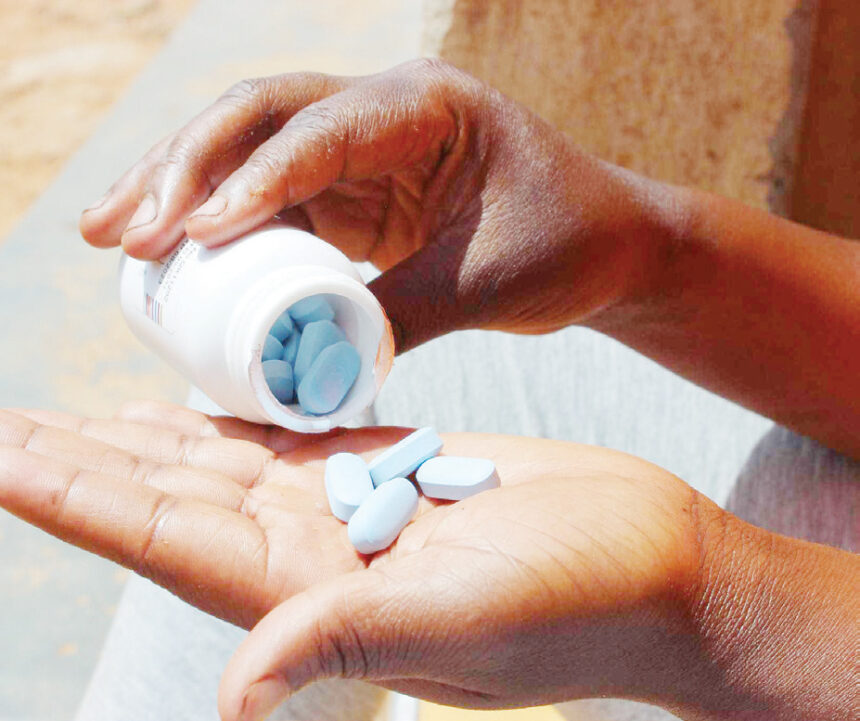
The World Health Organisation (WHO) has released an updated guideline to support integrated HIV service delivery, promote long-term adherence to antiretroviral therapy (ART) and improve the overall health and well-being of people living with HIV.
The health agency says that, in line with its commitment to person-centred care, these recommendations reflect updated evidence and the broader needs of individuals affected by HIV.
The guideline focuses on three main updates, with one of them being a strong recommendation to integrate diabetes and hypertension care with HIV services.
“Recent estimates suggest that up to five percent of people living with HIV in sub-Saharan Africa have diabetes and up to 25 percent have hypertension. This is similar to the estimates in other regions of the world,” WHO says.
The second update is what WHO calls a strong recommendation to integrate mental health care for depression, anxiety and alcohol use disorders with HIV services.
- Advertisement -
According to the United Nations agency, a high prevalence of mental health conditions has been reported among people living with HIV, with up to a third of people reporting symptoms of depression or anxiety.
“Alcohol use disorder is common among people with HIV, affecting at least 20 percent ofindividuals it is associated with suboptimal medication adherence, unsafe sexual behaviour and poor mental health status,” WHO says.
The other update is evidence-based adherence support interventions for ART, such as counselling, reminders, tailored support from peers, lay supporters and health workers and education.
WHO says “these evidence-based interventions” help sustain viral suppression and improve clients’ well-being by providing tailored responses to their needs.
- Advertisement -
- Advertisement -
“By integrating hypertension, diabetes and mental health care into HIV services and ensuring timely, tailored support for adherence, we can help people stay on treatment and improve well-being,” Tereza Kasaeva, Director of WHO’s Department for HIV, Tuberculosis, Hepatitis and Sexually Transmitted Infections, said.
Kasaeva added that the guideline reaffirms WHO’s commitment to delivering holistic, person-centred care that addresses the diverse health needs of people living with HIV and supports them to lead healthier, longer lives.
Studies indicate that in Malawi, as people living with HIV live longer, conditions such as hypertension and diabetes are becoming increasingly common.
According to the studies, despite strong policy support for integrating non-communicable disease care into HIV services, most clinics still lack the resources to provide full diagnosis, treatment and monitoring for these conditions.
Recent reports, such as a 2025 study published in BMC Global and Public Health, further indicate that approximately 25 percent of adolescents living with HIV in Malawi experience depressive symptoms related to HIV stigma.
A pilot trial registered on ClinicalTrials.gov, led by the University of Pennsylvania in collaboration with the Ministry of Health, is currently testing an intervention in Salima and Mulanje districts that combines depression treatment with counselling aimed at reducing
both HIV-related and mental illness stigma.