
By Khumbo Kaliwo:
World Bank acting Manager for Malawi, Efrem Chilima, has called for reprogramming of social protection initiatives so that they become more effective.
Chilima says while there is some positive impact from the support, more people are becoming poorer.
He has since called on government to come up with initiatives for addressing the situation.
Chilima was speaking in Lilongwe Tuesday during the dissemination of results from the evaluation of unintended consequences of the Covid urban cash intervention (CUCI) and the Social Support for Resilient Livelihoods Programme (SSRLP).
- Advertisement -
He said the trend shows that over half of Malawians are poor as there are more issues on the ground beyond the macro-economic indicator because of recent calamities the country has faced.
“While other programmes are trying to look at growth, I think those who are below the safety net need to be supported as they are becoming poorer,” Chilima said
He added that in future programming, the government needs to decide on what to do based on evidence.
“We need to reprogramme the interventions. It could be the same, going the same direction but we need to be guided by evidence to do better,” the World Bank official said.
- Advertisement -
- Advertisement -
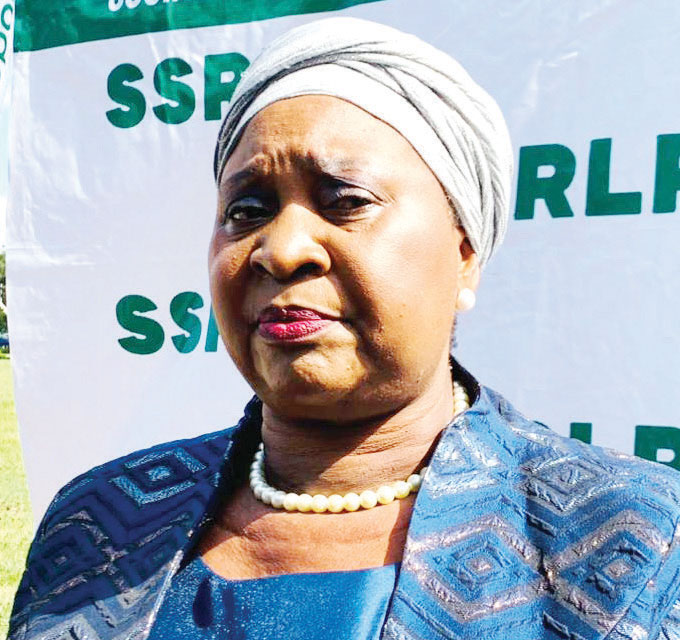
Minister of Gender, Community Development and Social Welfare Jean Sendeza said the reports have brought in the evidence that will help government to identify areas requiring improvement.
She stressed the need to continue with what is working and stopping what is not producing the intended results.
“By embracing evidence-based approaches and prioritising data-driven decision-making, Malawi can enhance the effectiveness and efficiency of interventions, which will lead to better outcomes,” Sendeza said.
Among the positives, the baseline assessment of the SSLRP shows that 90 percent of the households had savings and cash transfers enabling beneficiaries to invest some of the resources in small businesses and household agriculture.
The CUCI aimed to support urban poor populations in Malawi’s major cities of Lilongwe, Blantyre, Zomba and Mzuzu.
In 2021, the cash transfer targeted 36 percent of Malawi’s urban population, providing K35,000 per month for three months and another round was completed in 2023.
In total, more than 300,000 households benefitted from the programme.