


By Patience Lunda:
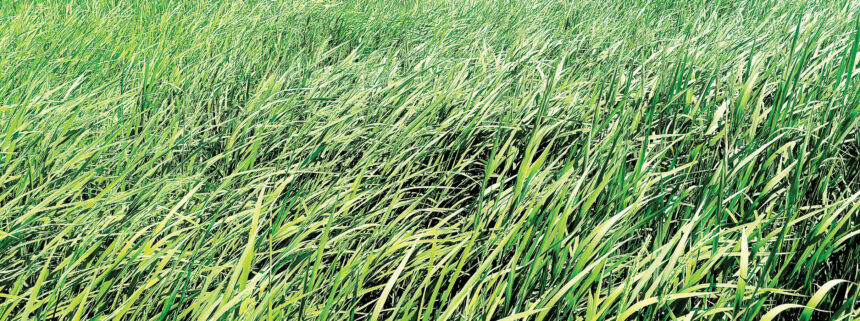
Karonga, a lakeshore district, has since time immemorial been known for being a rice cultivating hub.
Its rice flood markets across the country all year long, giving consumers a chance to have its aromatic taste.
However, just like other areas, Karonga has not been spared the effects of climate change as erratic weather conditions such as floods have become more frequent, affecting rice production in the process.
This year alone, floods have hit the district back to back, washing away several hectares of rice.
- Advertisement -
Due to the disasters, Comsip Cooperative Union Limited invested K1 billion in the Legumes Enterprise Structured Programme (Lesp) to enhance food security and income generation in participating households under the Social Support for Resilient Livelihoods Project (SSRLP).
SSRLP is a government project being implemented with funding from the World Bank and Social Protection Multi Donor Fund, in which Comsip is implementing the livelihood support sub-component.
In the 2023-24 growing season, Comsip provided farm input support grants to 639 savings and loan groups in the program (from 20,339 households) from 14 districts of Chitipa, Karonga, Rumphi, Nkhata Bay, Kasungu, Nkhotakota, Ntchisi, Dowa, Lilongwe, Dedza, Balaka, Blantyre, Chiradzulu and Phalombe.
Despite the programme initially focusing on legumes, this year groups are producing soybean, white and orange maize, beans, pigeon peas, groundnuts and rice.
- Advertisement -
- Advertisement -
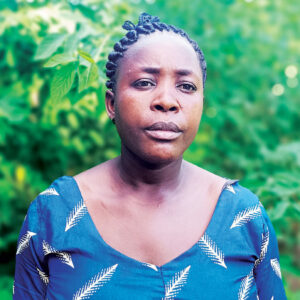
Elizabeth Mtambo, a member of Siloha 2 cluster in Nyungwe Area, which has 33 members, says they received 225 kilogrammes of pigeon peas seed from Comsip under the Lesp project to plant on five hectares of land.
Mtambo says they are expecting more yields despite many farmers being affected by floods since the district received too much rainfall.
According to Mtambo, Karonga has fertile soils and this offers them a chance to cultivate many crops and diversifying has proven effective.
“We are optimistic that we will have a bumper harvest despite floods affecting many farms including ours. This will also help in uplifting our households which have been lacking many needs,” she says.
Frank Mhango, a community facilitator and farmer under Mulungu Alinafe Comsip Group, which has 30 members says they are still cultivating rice but through Lesp, they have undergone several trainings to transform their mindset, improve their productivity and boost production.
Mhango adds that Comsip also provided them with money to purchase seed, fertiliser and their transport costs.
“We have had mindset change following the training that we have undergone and we are able to do farming as a business, a thing which has also helped us uplift our households because we are able to diversify production,” he says.
Karonga District Community Development Officer, Simeon Ndhlovu, says there are 36 groups in the district that have benefitted from the intervention.
Ndhlovu says they are anticipating more yields this year because farmers have cultivated many crops which include maize pigeon peas, ground nuts including rice under the intervention.
“We are anticipating high yields, which translate into increased household income and, on top of that, they will have enough food because they have diversified production.
“Most importantly, having legumes will also help them fulfil the six food groups requirement,” Ndhlovu says.
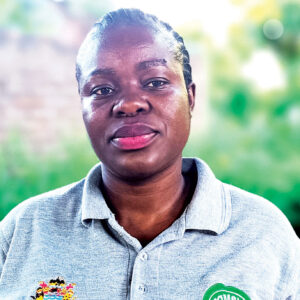
Comsip Communications and Development Officer, Mercy Chaluma, says despite the programme initially focussing on legumes, this year, the 639 groups that Comsip is working with across the country are producing soybeans, white and orange maize, beans, pigeon peas, groundnuts and rice.
Chaluma adds that Comsip is expected to be the off-taker of the produce under Lesp and will identify other markets for the participants to get fair prices for their labour.
She says all crops are earmarked for sale except the orange maize which is for consumption.
“Through Lesp, the programme is supporting the participants with wholesale farm inputs needed for their crop of choice,” Chaluma says.