In recent weeks, a surge of government inspections across various sectors in Malawi has taken both citizens and businesses by surprise.
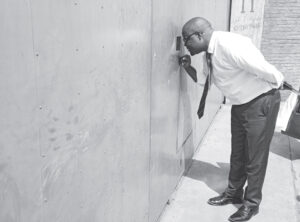
Minister of Labour Vitumbiko Mumba has been on the ground, inspecting work premises, estates and business premises to assess the working conditions and ensure general adherence to labour laws.
This newfound zeal to inspect and enforce regulations is a welcome development, but it also raises many questions about why this crucial exercise has been largely ignored for so long.
For a country that is continually grappling with issues of workers’ rights, low wages, exploitation and inadequate working conditions, it is baffling that it has taken this long for government bodies to step up their efforts in enforcing labour laws.
Historically, the enforcement of labour standards and workplace regulations in Malawi has been inconsistent at best, with government officials often turning a blind eye to the realities of unsafe working environments, exploitation and even human rights abuses in certain sectors.
- Advertisement -
The wave of inspections has drawn attention to the dissonance between the government’s new-found energy and the persistent neglect that has characterized labour rights enforcement in the past.
The question arises: why now? What has prompted this sudden interest in monitoring and ensuring that work environments comply with basic standards of safety, fairness and legal obligations?
Historically, the Ministry of Labour, as well as other government bodies responsible for workplace standards, have been accused of laxity and ineffectiveness.
There have been numerous reports of unscrupulous business owners exploiting workers without any repercussions, while the enforcement of safety standards in industrial and commercial settings has been nearly non-existent.
- Advertisement -
- Advertisement -
The reality is that for years, workers have faced deplorable conditions without much recourse.
Long working hours, unsafe equipment, lack of proper sanitation and unregulated wages are rampant in many sectors, especially in the informal economy.
Now, however, it seems that Labour Minister Vitumbiko Mumba’s leadership has awakened the spirit of active government oversight and responsiveness.
His recent actions have set a precedent for other departments to follow suit in addressing regulatory gaps and ensuring that employers comply with the law. With his office driving the agenda, there is now an apparent effort to hold both public and private sector employers accountable for their treatment of workers.
The decision to inspect work premises, estates and business operations is not merely a symbolic gesture; it carries significant weight in terms of improving workers’ conditions, ensuring safety and upholding legal frameworks.
Inspections help identify and address violations of the law, especially concerning workers’ rights, minimum wage laws, occupational safety and health standards.
In Malawi, the informal sector has long been under-regulated and many workers in industries such as agriculture, construction and manufacturing have endured poor working conditions without adequate protection or compensation.
Such inspections can bring to light hazardous environments, such as improper disposal of toxic materials, failure to provide necessary protective equipment, unregulated work hours and poor pay.
Many of these issues go unnoticed because of insufficient government presence or a lack of enforcement.
However, by regularly inspecting businesses and work sites, the government ensures that workers are not being exploited and that businesses operate within the parameters of Malawian law.
Moreover, inspections help establish a level playing field for businesses, where those who adhere to the law are not undercut by competitors who flout regulations to lower their costs.
Of course, regarding the ongoing inspections, many Malawians are curious about the timing and effectiveness of these inspections.
It is not uncommon for citizens to view government actions as sporadic, reactionary or politically motivated.
Given the timing of these inspections, it is natural for many to wonder whether this new push is part of an effort to bolster the image of the government, especially in light of upcoming elections or political agendas.
While such scepticism is understandable, the fact remains that these inspections are, on the whole, long overdue.
There is also the issue of whether these inspections will translate into real, lasting change.
While inspections are essential for identifying violations, their success depends on the follow-up actions that the government takes.
If violations are uncovered, it is crucial that there are consequences for businesses that flout the law.
This includes enforcing penalties, ensuring the rehabilitation of unsafe workplaces and holding individuals responsible for neglecting the welfare of their employees.
Without a commitment to sustained enforcement and accountability, these inspections could simply become an exercise in public relations rather than a genuine push for reform.
That said, it is promising to see that the government is now taking these issues more seriously. If sustained, these efforts could usher in a new era of workers’ rights and workplace safety in Malawi.