What does Malawi lose when only 21 percent of voices in Parliament belong to women? Gender experts say that despite modest numerical gains in the number of women elected in the September 16 polls, Malawi’s 50-50 gender parity dream remains stuck on paper—and without deliberate legal quotas and targeted investment, it risks staying that way for years to come.
According to data from the Malawi Electoral Commission (MEC), 49 women have been elected to Parliament out of 229 constituencies, representing 21 percent. This is a slight numerical rise from 45 female MPs in 2019, but proportionally, the share of women has stagnated. In 2019, the 45 seats represented 22 percent, meaning that the overall increase in constituencies has diluted the gains.
For gender advocates, the results reflect both encouraging signs and persistent structural barriers that keep women away from meaningful representation in decision-making spaces.
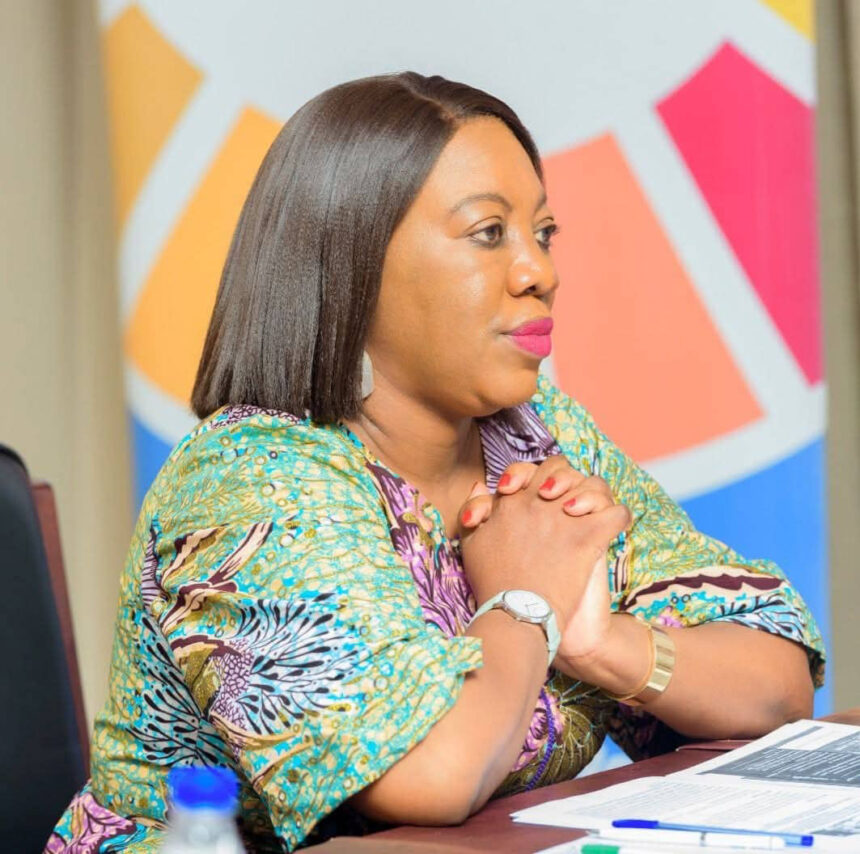
Maggie Kathewera Banda, Executive Director of the NGO Gender Coordination Network (GCN), describes the 2025 outcome as “a mixed picture.”
“Numerically, the number has moved from 45 to 49, and that is progress,” she said. “But percentage-wise, we are still at 21 percent, which shows that as a country, we are not yet making the transformative strides we aspire to.”
- Advertisement -
She attributes the incremental wins to targeted interventions by civil society organizations such as GCN, the 50-50 Campaign, and the Girls Empowerment Network. Over the past two years, these groups have implemented leadership training programs, offered financial support to female aspirants, and carried out community awareness campaigns to challenge cultural stereotypes.
“These interventions have helped more women to emerge as serious contenders, but without institutional reforms, the progress will remain patchy,” Kathewera Banda added.
One of the elected MPs, Grezelder Jeffrey, Malawi Congress Party (MCP) was re-elected in 2025 in the Nkhotakota Chia constituency and embodies the story of struggle and determination behind the statistics.
In a constituency traditionally dominated by male politicians, Jeffrey ran a grassroots campaign supported by small community fundraisers and mentorship sessions organized by GCN. She faced deep-seated cultural stereotypes that questioned a woman’s ability to lead and limited backing from her party, which allocated more resources to her male primary challenger.
- Advertisement -
- Advertisement -
“I had no big financier,” she said in an interview. “But I had my community, and I had women and youth who believed in me. The leadership trainings I attended helped me craft a clear message and build confidence to stand on the campaign stage.”
She focused on door-to-door mobilization, engaging directly with youth, women, and farmers on development priorities. Her victory was narrow but symbolic, showing that targeted support and community trust can overcome structural odds.
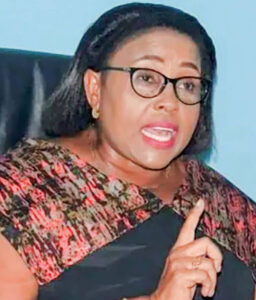
Behind these victories lies a reality that is still stacked against women. Oxfam Country Director Lingaline Mihowa points out that the political terrain remains deeply uneven.
Financially, female aspirants often rely on personal savings or NGO support, while male counterparts typically access business networks and party patronage. Some women are unable to afford basic campaign necessities like nomination fees, fuel for rallies, or materials for visibility. Socially, cultural norms continue to discourage women from contesting, with some being told to focus on “home responsibilities” rather than leadership roles.
Politically, parties often place women in less winnable constituencies, offer minimal support during primaries, or sideline them from strategic campaign planning.
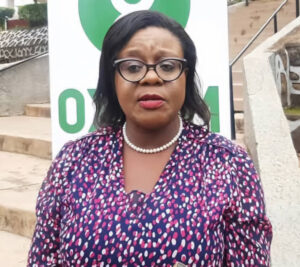
Mihowa also noted that MEC is currently cleaning up gender classification errors in the candidate list, where some male candidates were mistakenly identified as female. But she insists that the bigger issue is structural.
“As a country, we should put in place concrete policy and legal frameworks to push women forward. The playing field is still uneven, and women continue to face social, political, and financial barriers,” she said.
Goodwill is not enough. For the Malawi Human Rights Commission (MHRC), the lesson from this election is clear: goodwill alone will not deliver parity.
MHRC Executive Secretary Habiba Osman warns that unless Malawi adopts legislated quotas or proportional representation, the 20–21 percent mark will remain constant for years.
“This election has shown us that relying on goodwill alone is not enough. Unless there are institutional mechanisms, such as reserved seats or proportional representation, the 50-50 goal will remain elusive,” Osman said.
Other countries in the region have shown what works.
Rwanda leads globally, with over 60 percent female representation in Parliament, thanks to constitutional quotas reserving seats for women.
South Africa uses a party-list proportional representation system, boosting women’s presence to above 40 percent.
Namibia adopted a “zebra system,” alternating male and female names on party lists to achieve gender balance.
These examples show that legal and institutional mechanisms, rather than voluntary campaigns alone, are critical in shifting representation.
The Way Forward
Civil society organizations are calling for Parliament and political parties to lead the next phase.
They argue for mandatory gender quotas, increased and sustainable campaign financing for female candidates, and scaling up leadership training beyond election seasons.
Kathewera Banda says leadership training is no longer just about inspiring women—it involves strategic media engagement, constituency mapping, policy literacy, and mentorship from seasoned female leaders. Financial support, often drawn from donor-backed funds, covers nomination fees, materials, and logistics. Cultural campaigns have successfully challenged stereotypes in several districts, helping communities to see women as leaders, not just caregivers.
“We have ’seen what works—leadership training, financial backing, and cultural engagement,” Kathewera Banda told Times. “But these must be backed by law and policy; otherwise, the gains will remain uneven.” Kathewera Banda said
The 2025 elections delivered numerical progress but not transformation. While women like Jeffrey shown what’s possible, the overall structure still keeps women’s voices in the minority.
The onus is now on Parliament and political parties to move beyond rhetoric and implement legal and policy measures that match Malawi’s regional and international commitments. Without this, the 50-50 dream will remain just that—a dream.