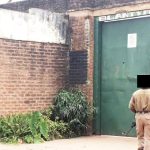



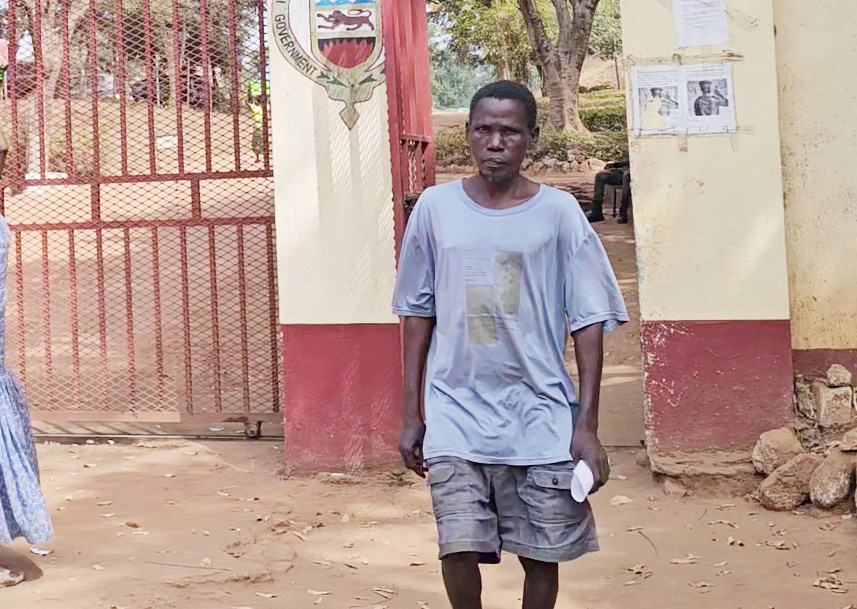
On the morning of July 4, 2026, Kalilitu Jimu walked out of Zomba Central Prison wearing an old t-shirt, short trousers and unlaced shoes.
In his hand was a piece of paper of his release from the prison. After 15 years in Malawi prisons, he was free now.
But the freedom felt heavy as he walked out.
“Back home they probably think I am dead,” Jimu, 45, said outside the prison gates.
“I keep asking myself if my old mother is still alive, if my children still remember me,” he wondered.
- Advertisement -
Jimu comes from James Village, Traditional Authority Dovu in Mutarara District, Western Tete Province in Mozambique.
He came to Malawi in 2011 to sell fish at Maraka in Nsanje District.
Since that time, he never returned home. And none of his relatives or anyone from his village knew where he was.
Jimu said that a woman in Malawi had asked him for herbs to terminate a pregnancy as she feared her husband who was in South Africa.
- Advertisement -
Jimu went to Mozambique to get the herbs. The concoction did not terminate the pregnancy. It terminated the woman’s life.
“The community caught me,” recalled Jimu.
On February 12, 2011, he was remanded to Nsanje Prison. Then Blantyre, before being finally sent to Zomba.
There he stayed. Year after year.
No trial date, no sentence and no one visiting from his village.
“I had 4 children when I was arrested,” Jimu said, wiping tears from his eyes.
“I don’t know if my wife is still waiting. I don’t know if I still have a home. May be they think a crocodile got me, that I am dead,” said Jimu.
Life in prison, he said, was hard.
“There are many challenges there. Inmates get sick. Some recover; others die. Too much congestion. No food.
“Coming out after 15 years is something I will carry until I die,” Jimu said.
In Malawi, hundreds of people spend years on remand waiting for their day in court.
For many, the wait itself becomes the punishment.
On June 24, 2026, everything shifted in a single day.

The Centre for Human Rights Education, Advice and Assistance (CHREAA), acting as defence counsel for Jimu, entered plea negotiations with the State Advocate Chambers at Zomba Prison.
Jimu pleaded guilty. The court convicted him and sentenced him to 19 years’ imprisonment.
Because he had already spent 15 years on remand, the sentence meant he had served his time.
He found his freedom that day.
His lawyer, Vitumbiko Phiri, said the case shows why justice delayed is justice denied.
“These cases are serious. When someone spends years without trial, without knowing if they are guilty or innocent, it is a violation of their right to dignity and to a fair trial,” she said.
Phiri said plea bargaining, introduced under Practice Directions issued by Chief Justice Rizine Mzikamanda on February 23, 2026, is already proving its value.
“It allows an accused person, with legal advice and voluntarily to admit responsibility for an agreed outcome approved by court. It reduces case backlogs, eases prison overcrowding and gives victims closure sooner,” she added.
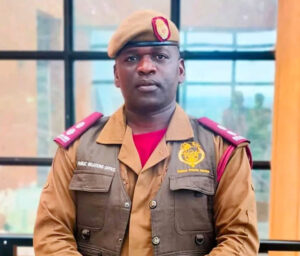
Public Relations Officer for the Malawi Prison Service Steve Meke noted that with safeguards, voluntary participation, legal representation and judicial oversight, plea bargaining can improve access to justice.
“This is key because cases will be resolved faster than under normal circumstances and this will result in the reduction of remand prison population across our facilities,” he said.
The Judiciary has also acknowledged that resource constraints and huge backlogs contribute to delays.
For Jimu, the legal process is over.
But the personal one just began as he walked out of Zomba Central Prison.
What has he found in his village in Mutarara, 15 years after he left it on a normal errand?
Has he found his mother? His children who have grown 15 years older? What about his wife? What about the community that might have thought he was dead?
As he walked out into uncertain future, he was grateful for one thing: a system that finally moved.
“What took 15 years was finished in a single day,” he said.