A new global survey has found that most people prefer a multipolar international system rather than a world dominated by a single superpower.
The World Order Survey 2026, conducted by Renmin University of China, covered 30 countries across five continents and collected nearly 15,000 responses.
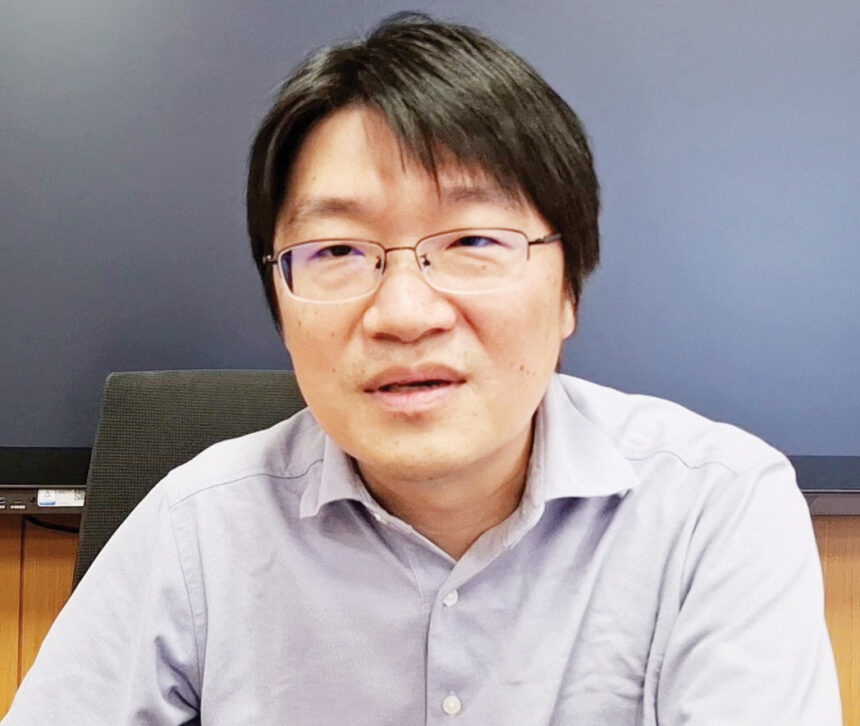
Presenting the findings, Executive Director of the university’s School of Journalism and Communication, Professor Di Zhang, said the survey showed that the world remains unstable, people continue to follow international news and most favour a multipolar system.
He cited the United Nations as an example, saying most respondents preferred the organisation despite believing it was not functioning effectively.
In an interview after his lecture, Zhang said China also supports a multipolar world order.
- Advertisement -
“In this world, no matter whether a country is big or small, we are equal participants in global affairs and the global order. Each country should actively participate in global affairs in a way that promotes peace and fairness,” Zhang said.
The survey also found differences between developed and developing countries in their perceptions of international organisations.
“Respondents from developed countries perceive intergovernmental organisations as less fair compared with those from Global South countries.
“Over the past few years, some of their ideologies have shifted to being more extreme. I think this also affects their perception of intergovernmental organisations,” Zhang said.
- Advertisement -
- Advertisement -
Economist Murry Siyasiya said the survey’s findings on multipolarity resonate with Malawi’s position as a developing country seeking to diversify its international partnerships.
He said Malawi must address its economic weaknesses to take advantage of opportunities arising from a shifting global order.
“Malawi has long depended on a narrow base of trading partners and donors. A multipolar world offers opportunities for countries like ours to engage with multiple economic centres rather than being locked into a single relationship.
“This gives us more room to negotiate better terms for our exports and attract investment from different sources,” Siyasiya said.
On China’s growing role, Siyasiya said Malawi had benefited from infrastructure projects and trade arrangements but stressed the need for such partnerships to deliver tangible benefits to ordinary Malawians through job creation and technology transfer.