Malawi is this Wednesday transitioning from the historic tenure of Catherine Gotani Hara as the country’s first female Speaker of Parliament to a male speaker.
No political party represented in the house has nominated a female representative as candidate for the office of the speaker with some announcing support for the candidacy of women for first and second deputy speaker.
The ruling Democratic Progressive Party (DPP) nominated Blantyre City Chigumula constituency parliamentarian Sameer Suleman as its candidate for the position of speaker of Parliament while the Malawi Congress Party (MCP) has nominated Lilongwe South Constituency MP Peter Dimba as its candidate.
Others vying for the position include People’s Development Party (PDP) president Kondwani Nankhumwa and Independent parliamentarian George Katunga Million.
Members of Parliament under the northern region block recently endorsed Mzimba north Member of Parliament Catherine Mzumara for the position of first deputy speaker.
- Advertisement -
DPP on the other hand says it will support its Mulanje Bale lawmaker Victor Musowa in the position.
The DPP also announced it will support United Democratic Front (UDF) parliamentarian Esther Jolobala for the position of second deputy speaker.
The development means, Mzumara and Jolobala are the only female parliamentarians that have positioned themselves for election to political leadership of the house.
But how important is it for women to take up leadership positions in parliament?
- Advertisement -
- Advertisement -
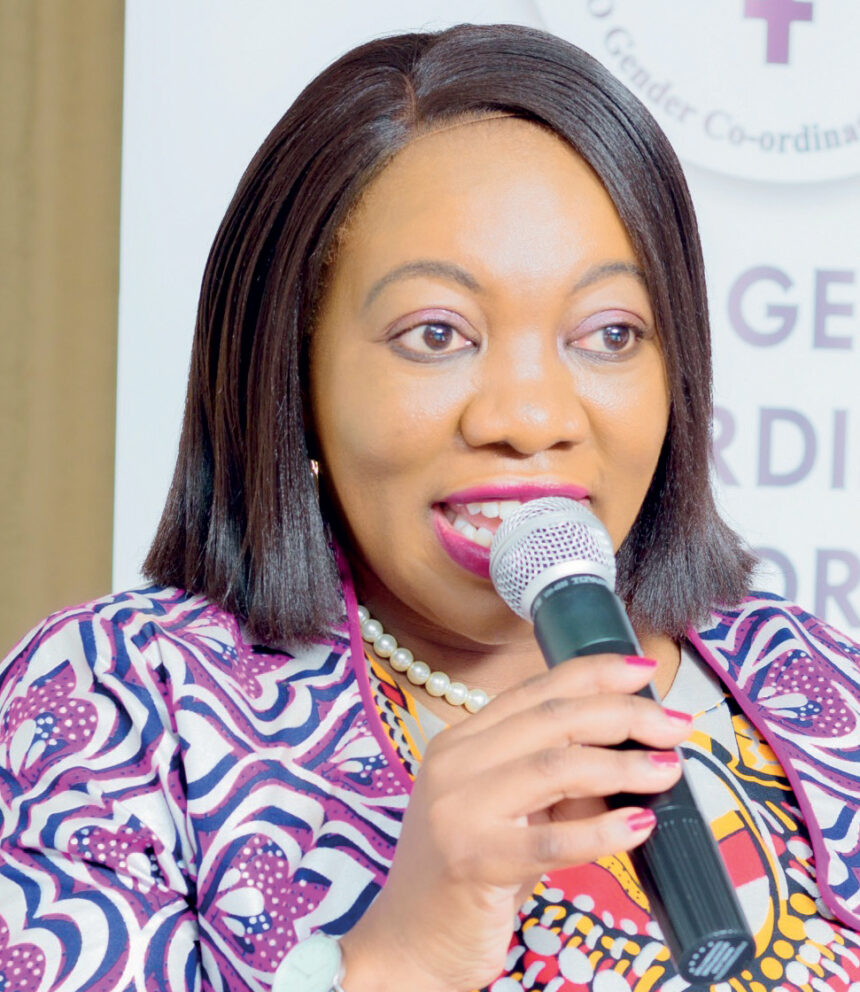
NGO Gender Coordination Network (GCN) Executive Director Maggie Kathewera Banda says having a female speaker of parliament motivated other women parliamentarians to actively participate in and head crucial committees.
“Through that, women were able to participate in decision making processes on critical issues affecting the country,” Kathewera Banda says.
Kathewera Banda has since encouraged men to vote for women in the other two positions adding that in 2025, people should see the importance of having women representation in all leadership roles.
Kathewera Banda also says moving forward, women can still strengthen their voices in parliament through the Women’s Caucus.
“It is important that the women work together towards a common goal regardless of their political affiliations and they should also take advantage of the committees where they will be allocated to amplify their voice because at the end of the day what affects one woman affects all,” Kathewera Banda says.

Meanwhile, Oxfam in Malawi has drummed support for the election of Mzumara and Jolobala as first and second deputy speakers respectively.
Oxfam in Malawi’s Promoting Gender Transformative and Youth Inclusive Democracy Project Coordinator Annie Jimu Maluwa calls on members of Parliament to seize the opportunity and empower women leaders.
“Electing female deputy speakers will not just be symbolic, it will be a strategic step towards ensuring that Malawi’s democracy is gender transformative and inclusive,” says Maluwa.
According to Oxfam, female speakers could also assist in shifting power structures in parliament.
For instance, it says during Gotani Hara’s tenure, Gladys Ganda was Chairperson of the Budget and Finance Committee of Parliament, becoming the second woman ever to hold that position while the late Joyce Chitsulo was Chairperson of the Public Appointments Committee.
“This provide concrete evidence that women’s influence in parliamentary processes was strengthened which supports the case that the leadership transition will have substantive as well as symbolic gains,” Maluwa says.
The Speaker of Parliament is elected by the majority of MPs in the house.
At 78, DPP has the majority of MPs followed by independents who are at 70 and the MCP at 53.