





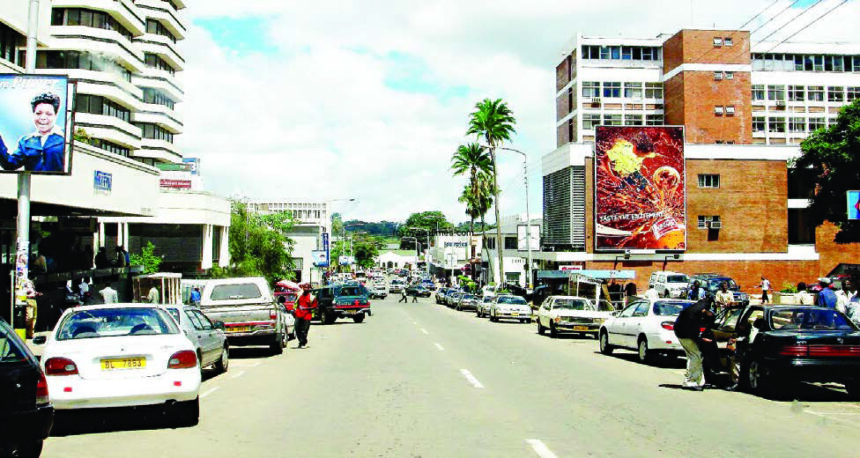
Blantyre has emerged as the most expensive city to live in during December 2025, with households requiring K1,072,809 to meet basic needs, according to the latest survey by the Centre for Social Concern (CfSC).
The survey, conducted between December 2 and 4, shows Blantyre outpaced Lilongwe at K956,735, Mzuzu at K929,610 and Zomba at K796,211.
The figures reflect both food and non-food essentials for a household of six.
CfSC attributed the rise in living costs to soaring maize prices and increased agricultural input costs.
- Advertisement -

“One of the major contributors to this increase is the rising price of maize, Malawi’s staple food,” the centre says.
- Advertisement -
While maize prices in Blantyre remained unchanged at K65,000 per 50 kilogramme (kg) per bag, other cities such as Mzuzu and Zomba recorded sharp increases.
CfSC Project Officer Kondwani Hara also highlighted the impact of tax policy changes, noting that the increase in Value Added Tax (VAT) from 16.5 percent to 17.5 percent had compounded the problem.
“The VAT increase has had a cascading effect, contributing to higher prices for basic necessities and essential services, thereby intensifying the cost-ofliving burden on ordinary Malawians,” Hara said.
He said rising costs of fertiliser, seed and chemicals are pushing production expenses higher, which are ultimately passed on to consumers.
- Advertisement -
The organisation has urged the government to implement urgent interventions, including stabilising food prices, subsidising agricultural inputs and strengthening social protection measures to cushion vulnerable households.
The December figures mark a continued upward trend, with the national average cost of living rising from K871,175 in November to K938,841 in December.
In a recent interview, Economics Association of Malawi (Ecama) President Bertha Bangara Chikadza said cost-of-living trends in 2025 pointed to a year in which many families experienced sustained financial pressure.
She said expenses rose steadily across essential goods and services, making it harder for households to manage their monthly budgets.
“Overall, 2025 was a difficult period for many families, as the cost of meeting basic needs continued to outpace most households’ incomes. The outlook for 2026 suggests that the cost of living will remain elevated, although the rate of increase may be slower than in 2025. Much will depend on how the agricultural season performs, the stability of the Kwacha and movements in fuel and electricity costs.
“If these factors remain stable, families may experience some relief, particularly with respect to food costs,” Chikadza said.