By Deogratias Mmana:
The United States of America has defended its decision to issue travel sanctions on four Malawian individuals in relation to corruption allegations in their dealings with British businessman, Zuneth Sattar.
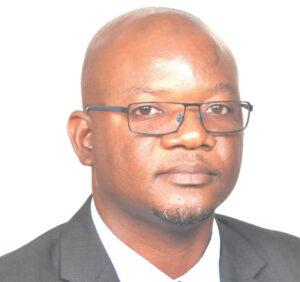
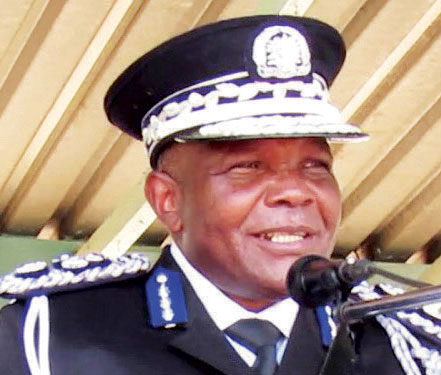
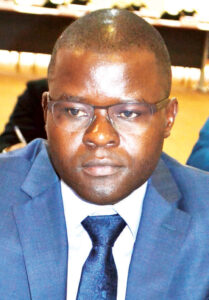
The US Department of State made the announcement of the travel ban on Wednesday on former Solicitor General and Principal Secretary for Justice Reyneck Matemba, former Public Procurement and Disposal of Assets Authority board chair John Suzi Banda, former Malawi Police Service Attorney Mwabi Kaluba and former Inspector General of the Malawi Police Service George Kainja.
It designated them “as generally ineligible for entry into the United States, due to their involvement in significant corruption.”
The ban is extended to their spouses too.
- Advertisement -
We asked the US Embassy in Malawi why the sanction has been meted out on only four officials and not all the 84 as contained in the Anti- Corruption Bureau (ACB) report on the matter or at least the 13 officers whose investigations the ACB has previously reported to have concluded.
The US Embassy Public Diplomacy Officer, Edward Denny, said the US government has based its decision on credible information it has about the four.
“The Department [of State] obtained credible information regarding Matemba’s, Suzi-Banda’s, Kaluba’s and Kainja’s involvement in significant corruption while serving, respectively as Solicitor General and Principal Secretary of Justice from 2020-2022; Director of Malawi’s Public Procurement and Disposal of Assets Agency (PPDA) from 2020-2022; Attorney for the Malawi Police Service (MPS) from 2016-2022; and Inspector General of the MPS from 2020-2022,” Denny said in a brief response.
In its statement about the ban, the United States said it “stands with Malawians working towards a more just and prosperous nation by promoting accountability for corrupt officials, including advocating for transparency and integrity in government procurement processes.
- Advertisement -
- Advertisement -
“These designations [the travel sanctions] reaffirm the United States’ commitment to counter corruption, which stifles economic growth and development, hinders investment and erodes trust in government.”
When President Lazarus Chakwera addressed the nation on June 21, 2022 on the ACB report, he said there were 84 people on the list of officers who allegedly received money or gifts from Sattar.
Chakwera further said of the 84 individuals, the ACB had extensively investigated 13 of them to the point of concluding that they conducted themselves corruptly in dealing with Sattar.
On Thursday, Centre for Human Rights and Rehabilitation Executive Director Michael Kaiyatsa said the ban should have extended to all 13 officers which the ACB said has extensively probed.
“Unfortunately, the ACB has not been transparent on what is happening with the other individuals on the list.

“In the absence of such information, it is difficult to make a rational decision about the status of these cases,” Kaiyatsa said.
Various quarters have expressed concern over the lack of speed on Sattar related cases.
In an earlier interview on these concerns, ACB spokesperson Egrita Ndala said: “The Bureau shares the general public sentiments to see to it that corruption allegations relating to Zuneth Sattar and other public officers in Malawi and other equally high-profile cases it is handling are dealt with efficiently.”
She said after finalizing investigations on a particular public officer, they would be compiling a report to the relevant head of the ministry, department and agency and the Office of President and Cabinet for appropriate action.
Ndala admitted that the bureau’s workload had indeed increased due to issues relating to Sattar cases and some other equally high-profile cases.
The list of the suspects in the ACB report included three judges (one of them retired, three principal secretaries, two Financial Intelligence Authority officers, one OPC head, one ACB officer, two State House officials, three lawyers, two Reserve Bank of Malawi officers, one Ministry of Information official, six MDF officers, six Malawi Revenue Authority officers, two chiefs of staff, 13 police officers, four Members of Parliament, two treasury officials, three civil society activists, one MBC officer and 10 journalists.