By Wilfred Golden:
As the countdown to the September 16 General Elections continues, the fear of an escalation in political violence is also growing among Malawians living in districts of Karonga, Mangochi and Lilongwe.
This fear is not without basis, as not long ago, panga-wielding youths, suspected to have been sponsored by politicians, disrupted peaceful demonstrations in Lilongwe.
Democracy and governance commentators, such as Michael Kaiyatsa, argue that this casts a troubling shadow over the country’s democracy, as some influential politicians could be using the youth to trigger violence in order to protect their grip on power and traditional strongholds.
In its pursuit of more tolerance and peaceful co-existence among diverse ethno-religious and political groups in Malawi, the Centre for Social Concern (CfSC) is working with faith-based organisations, youth-led clubs and organisations and traditional and community leaders to sensitise communities about the need to create and promote co-existence in society.
- Advertisement -
CfSC Executive Director Father James Ngahy says faith leaders have a particular role to play in peace-building by leveraging their moral authority, established community networks and spiritual teachings to promote reconciliation, dialogue and mediation between conflicting parties.
“As a faith-based organisation, the nexus between mission and justice and peace, mission and dialogue, mission and the integrity of creation, mission and critical thinking, is the kernel of its functionality.
“The concern and compassion for the poor and empowering them is at the heart of our prophetic mission. This is why we are working tirelessly to promote reconciliation, dialogue and mediation between conflicting parties,” he said.
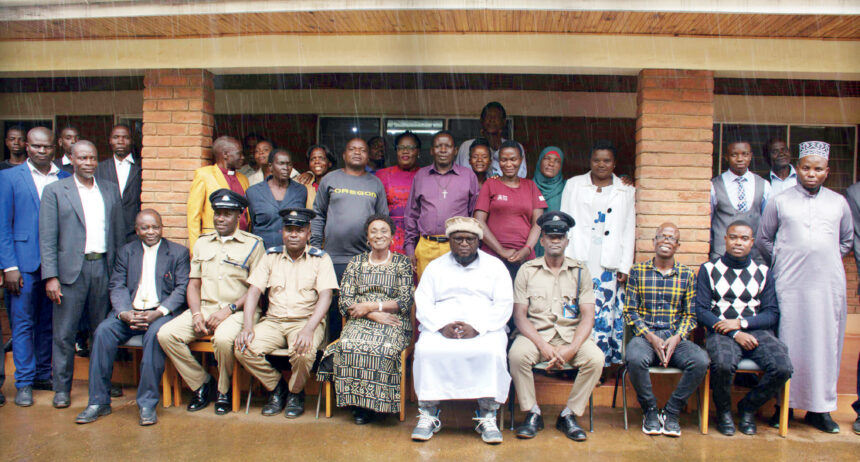
On January 30, 2025, CfSC convened a National Peace Conference in Lilongwe, where faith, traditional and youth leaders converged to discuss mechanisms for preventing violence before, during and after the general elections.
- Advertisement -
- Advertisement -
The conference was a component of the ‘Promoting Tolerance and Peaceful Co-existence among Ethno-Religious and Political Groups’ project, which CfSC is implementing in selected districts of Chiradzulu, Salima, Zomba, Nkhata Bay and Lilongwe.
Commissioner of the National Peace and Unity Commission, Mary Nkosi, presided over the conference, which drew participants from different areas who shared experiences on peace-building.
And based on their local context, each interfaith committee, also known as Local Advisory Committee – Lac, presented their own successes and challenges in peace-building.
Ngahy disclosed that, through the same project, CfSC has also been providing support to communities that have previously been affected by religious disagreements through advocacy and grassroots peace-building initiatives, even in areas where other actors might not have access.
“Violence, regardless of its source, is retrogressive to development and that is why we remain committed to rooting out the vice.
“We are doing this because we believe that prevention is better than cure and this is why we always try to explain to them the negative effects of violence,” he said.
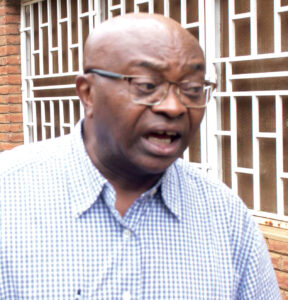
Vice-chairperson of Zomba Lac, Bishop Gabriel Gondwe, concurred with Father Ngahy, saying religion is the most effective tool in fostering unity in any nation.
Gondwe, who ministers at Living Waters Church in Zomba, therefore challenged fellow church leaders to utilise their existing structures to spearhead peaceful co-existence among citizens.
“If we come together and talk with one language, we can enhance peace within our communities. Differences are almost everywhere, including in prayer settings but people trust us as religious leaders,” he said.
According to Gondwe, previously, there was a lot of violence in Zomba, but following their intervention, things have changed for the better.
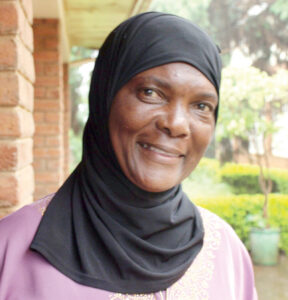
Sharing her experience, a representative of the Muslim women under the Lilongwe Interfaith Dialogue Association, Mariam Makalani, described the interface meetings that CfSC has been organising as crucial in promoting peace among people in her area.
Makalani said that, through ideas shared in the forum, everyone would assume a role in ensuring free and fair elections, emphasising that this is a collective responsibility.
“I have learnt a lot of things regarding peace in my area and as I go back, I will encourage my colleagues to take part in this cause,” she said.
Community Policing Coordinator for Chinsapo Police Unit, Edward Alufayi, agreed with Makalani, adding that since the meetings began, they have helped bring peace to his policing area.
Alufayi said the law enforcers will continue holding awareness campaigns in the area to ensure peaceful co-existence among community members.
Nkosi said the National Peace and Unity Commission said her commission has been carrying out various activities, including meeting some stakeholders, to ensure that peace prevails in the country.