





Every morning, before Mponela 2 Primary School learners in Dowa District can open their books, they must first clean up used condoms left behind by people who use their classrooms for sex at night.
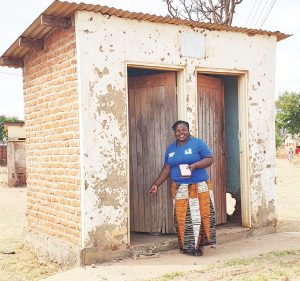
The school, which has over 3,000 learners scrambling for only two toilets, is now a symbol of how poor infrastructure and lack of security are robbing children of their right to safe and dignified education.
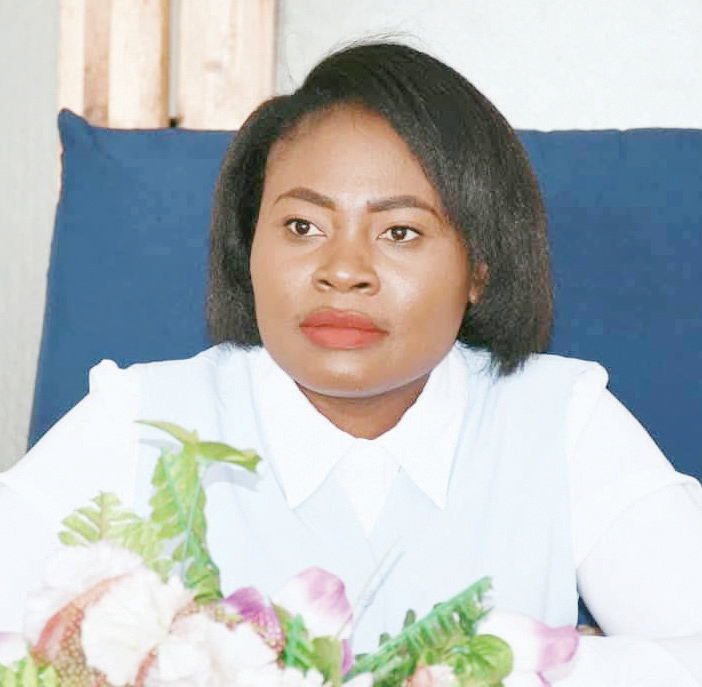
Treasurer for the Mponela 2 Primary School Parents Teacher Association, Marium Mira, described the situation as “heartbreaking”.
“This is sad as it affects the children, who are asked to clean the classes every morning,” she said.
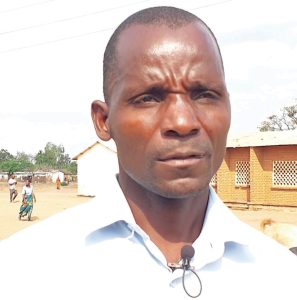
Deputy head teacher for the school, Dickson Muyaba, said the lack of a fence has left the school completely exposed, creating both a health and safety crisis.
- Advertisement -
“These challenges are coming in because the school does not have a fence. Therefore, there is no security. People pass by here when going to, or coming from, the market and some vandalise property, including classroom doors,” he said.
Muyaba warned that the sanitation crisis alone could trigger a disease outbreak.
“There is a threat that waterborne diseases might break out at the campus due to poor sanitation. Over 3,000 children scramble for two toilets, a development which is unhealthy,” he said.
He pleaded for urgent government intervention.
- Advertisement -
- Advertisement -
“We would appreciate it if we could be assisted with a fence so that school property is protected from intruders.
“This has been happening for some time now and we have tried to engage the community on the matter because it affects the children, who clean their classes every morning before classes commence,” Muyaba said.
Member of the Community Social Accountability Committee (CSAC), Florence Ndovi, said they had already escalated the matter to the council.
“We visited this school and raised our concerns and have heard that the government, through the council, have included the issues in their plans. They have promised to give us two classroom blocks, one teacher’s house, and two toilets and a fence.
“We, as CSAC, firstly want to see the fence not just mouth talk or paperwork. Any place without protection is not safe,’ Ndovi said.
Clinical psychologist at Kamuzu University of Health Sciences (Kuhes), Professor Chiwoza Bandawe, said forcing children to clean used condoms violates their dignity and can have serious psychological effects.
“A classroom is more than a physical space; it’s an environment in which children should feel safe, respected, and free to concentrate on learning.
“So, when adults use that space for sexual activity and leave discarded condoms for children to clean up in the morning, what they’re doing is violating the dignity of the children and undermining the sense of safety that a school should provide,” he said.
Bandawe explained that children react differently to issues, depending on their age and understanding.
“Some may feel confused, some embarrassed, some disgusted, others frightened, others may become curious or develop misconceptions about sexual behaviour,’ he said.
He added: “What’s particularly troubling is that children are being made to deal with the consequences of adults’ irresponsible behaviour. This not only undermines their sense of dignity and trust in adults, who are supposed to protect them; it may actually even distract them from learning.
“It’s the responsibility of the school authorities to ensure that the classrooms are clean and safe before lessons begin. It’s not fair exposing children because children can react in various ways. The dignity of the children are undermined,” Bandawe said.
Child rights activist Memory Chisenga condemned the acts, describing them as a “gross violation” of children’s rights.
“Every child has a right to education and such acts destroy the conducive learning environment [they are supposed to have],” Chisenga said.
The plight of Mponela 2 Primary School directly contradicts the aspirations of the Malawi 2063 agenda, which envisions human capital development through quality, inclusive and dignified education for all.
Enabler 5 of the agenda, on Human Capital Development, emphasises that every learning environment must be conducive so that every child enjoys the right to education.
Without investment in basic infrastructure like toilets, classrooms and school fences, the dream of building a knowledgeable and healthy generation will remain elusive.
The school’s concerns have been documented under the Malawi Human Rights Resource Centre (MHRRC) Fighting Inequality Project, which trained community members in activism, transparency and demanding service delivery.
MHRRC Capacity Development Associate Noel Msiska said community members were equipped with knowledge to demand their rights at district level.
But for learners at Mponela 2, the demand is simple: a fence, more toilets, and a classroom that is a classroom.
not a bedroom.
“Without making any step towards improving the education facilities, more children will be denied the very right we tout to be for every child,” Msiska said.
