By Justin Mkweu
Finance, Economic Planning and Decentralisation Minister Joseph Mwanamvekha has said the budget is on track.
He has made the sentiments at a time the country is facing extra pressures from the incoming Super El Niño, dwindling donor support and hunger, where 14 percent of the population is food insecure.
The budget will soon be going for a mid-year review amid the heightened pressures.
Speaking on the sidelines of Sub-Traditional Authority (STA) Kuchombe installation in Chiradzulu District, Mwanamvekha acknowledged the problems that the budget was facing but insisted that it was on track.
- Advertisement -
The minister said key indicators of a budget which is on track are that it should be able to meet projected revenue and that expenditure should be managed, attributes he said were reflected in the current fiscal plan.
“I know people are asking a lot of questions but let me assure Malawians that this budget is on track, I will report to Parliament that the budget is on track and the budget will meet the people’s aspirations,” Mwanamvekha said.
Economist Velli Nyirongo backed the minister’s assertions, indicating that though the challenges made implementation more difficult, they did not mean that the budget’s wider economic objectives could not be achieved.
He added that what was important now was how the government responds to these pressures through the mid-year review, advising that the review should focus on protecting areas that support economic recovery and the welfare of citizens.
- Advertisement -
- Advertisement -
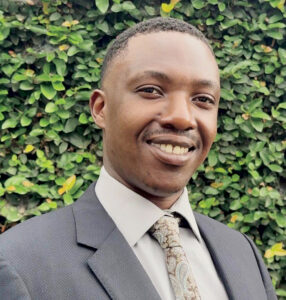
“Creating a more predictable business environment, improving access to foreign exchange and supporting productive sectors can help expand the tax base and reduce pressure on government finances,” Nyirongo said.
Another economist Mavin Banda said the optimism that the budget was on track was understandable, but the question is whether the assumptions underpinning the budget remain realistic.
“It [the mid-year budget review] must reassess the fiscal assumptions against the realities we are facing: weak growth, high inflation, foreign exchange constraints, declining donor support, climate shocks and rising debt-service costs.
“The first priority should be food security and agricultural productivity. Secondly, government must protect productive expenditure while cutting low-value spending. We need to confront the debt and interest burden and, finally, we need to be realistic about donor support,” he said.
The budget was pegged at K10.978 trillion with key assumptions being fiscalised gross domestic product (GDP) growth rate of 4.1 percent, end-period inflation estimated at 15 percent, nominal GDP of K31.5 trillion and policy rate of 18 percent.