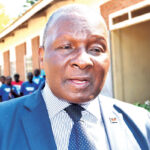
Centre for Social Concern (CfSC) has expressed fear that the recent electricity tariffs hike will have multiple negative effects on people’s living standards and exert a huge burden on low-income families.
CfSC has since suggested that there should be measures to mitigate the impacts.
The organisation has asked authorities to address issues of corruption and mismanagement within the energy sector to ensure that the adjustment is justified.
On Friday, Malawi Energy Regulatory Authority (Mera) announced that it had allowed Electricity Supply Corporation of Malawi (Escom) to hike the electricity tariff base by 50.8 percent to be implemented over a period of four years.
- Advertisement -


higher production costs
CfSC Project Officer Kondwani Hara told The Daily Times that the increased tariff hike would also contribute to inflation because it will result in increased cost of production.
- Advertisement -
“An increase in electricity tariffs will lead to higher production costs for industries, which will pass the costs onto consumers in the form of higher prices of goods and services. This can contribute to inflation,” Hara said.
The organisation has also suggested that, among others, Malawians should invest in renewable energy sources such as solar.
On September 1, Mera Chief Executive Officer Henry Kachaje disclosed that for 2023-2024, the electricity price has been increased by 18 percent from K104.46 per kilowatt hour (kWh) to K123.26 per kWh.
Mera has permitted Escom to increase its tariff base by 50.8 percent in the next four years, to 2027.
- Advertisement -
Kachaje said there would be a 16 percent hike in 2024- 25, another 12 percent hike in 2025-26 and a nine percent raise in 2026-27.
“These adjustments are only going to be allowed and given to Escom to satisfy specific key performance indicators that have been laid out and have been discussed with Escom and other licensees in the energy sector,” Kachaje said.
According to Mera, Escom had asked for a 69.7 percent hike but the regulatory authority settled for a 50.8 percent.