By Jonah Pankuku:
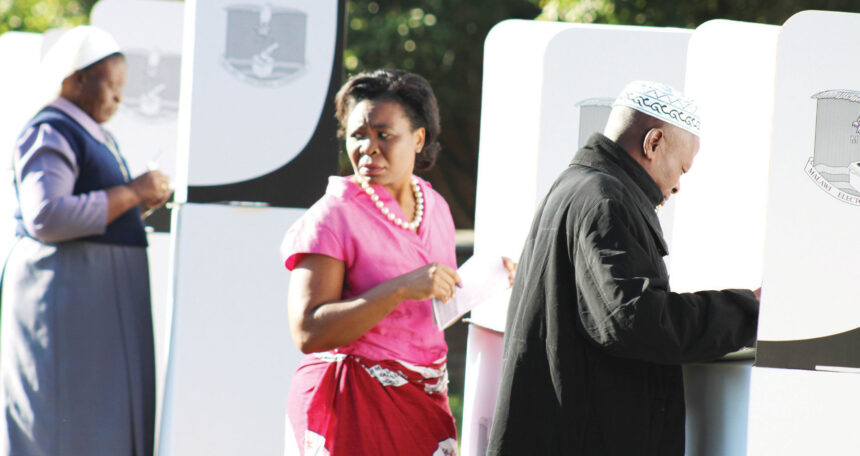
Malawi’s next general elections might be 20 months away but ordinary citizens and political and governance experts are already drawing a ‘Malawi We Want’ script – giving those eyeing to contest at next year’s elections some food for thought.
Already, political parties and leaders are ratcheting up the elections fever with silent campaigns to woo potential voters to grant them mandate to govern after the September 2025 elections.
We conducted random interviews among citizens and analysts as to what Malawians should aim for.
Daudi Kananji, 69, from Group Village Headman Gundani in Senior Chief Kaomba in Kasungu, said he started voting at the multiparty referendum in 1992.
- Advertisement -
He has been voting in every election since.
His biggest frustration is that politicians have not been walking their talk.
“Those [leaders who walk the talk] are the kind of leaders this country needs to rescue the citizens from the poverty they are trapped in currently.
“I was one of the first people to have started democracy in Kasungu. I started voting during referendum. I still vote but I don’t see the benefit,” Kananji said.
- Advertisement -
- Advertisement -
Esther Chimindi of Mwase Village, Traditional Authority Mkumba in Likoma District said Malawi needs leaders who should listen to the people and do what they expect of them.
“I do fish business, but we are struggling. I have voted three times but I don’t see the value of my vote. Our leaders are greedy. We need someone who cares about us,” said Chimindi, a mother of four.
For Maxwell Bongololo from Chifenthe Village, Traditional Authority Chekucheku in Neno District, Malawi needs leaders who must speak out on behalf of the people.
“Sadly, most of those elected simply enrich themselves and their relations. We need leaders who must seriously strive to address the real issues haunting the majority poor,” he said.
University of Malawi’s Associate Professor of Political Science, Boniface Dulani, said Malawi needs leaders that are decisive and willing to take even unpopular decisions that might bring about short-term pains but result in long-term benefits for the country.
“Malawi needs leaders that have a clear vision for transforming the country by harnessing the existing resources,” said Dulani.
He said leaders should be serious about fighting corruption and nepotism which he said keeps causing serious damage to the country.
“The country needs leaders who follow through on their promises. Leaders should show the nation a clear and credible path to get to the Promised Land,” he said.
On the potential voters’ behaviour patterns ahead of the polls, Dulani said inclusive economic growth, stable macro-economic fundamentals and citizens’ perceived inclusivity of the administration tend to have a significant influence among electoral alternatives.
Political scientist, Ernest Thindwa, said Malawi needs leaders who are ruthless to get measurable results.
“Malawi needs leaders who are committed to pursuing our collective aspirations, capable of articulating our shared vision and packaging that into an effective socio-economic and political program.
“We need leaders who understand and ensure that public service is an instrument for achieving developmental goals rather than an arena for rewarding loyalists or perceived electoral support base,” he said.
National Coordinator for Catholic Commission for Justice and Peace (CCJP) Boniface Chibwana said voters’ primary focus in the next election should be on identifying leaders whose aim is genuinely based on the well-being of the nation.
He added that leaders at a political party level should demonstrate not only the ability to rule effectively but also a sincere dedication to tackling the intricate challenges facing the country.
“They must have a vision that goes beyond personal or party objectives, and instead prioritize establishing a basis for sustainable development, social fairness, and economic prosperity for all residents.
“We need selfless leadership for this country to come out of the poverty doldrums,” Chibwana said.