By Charles Mpaka:
Ahead of the 2023 climate conference (COP28) in United Arab Emirates in four weeks’ time, a report of the United Nations Environment Programme (UNEP) charts out one area that could face global heat at the summit: adaptation financing.
The latest annual Adaptation Gap Report, released Thursday, says despite clear evidence of accelerating climate risks and impacts around the world, the adaptation finance gap is widening – now standing at between $194 billion and $366 billion per year.
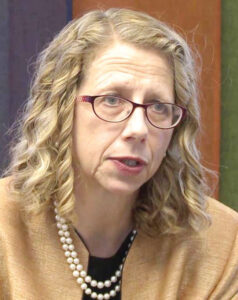
UNEP Executive Director, Inger Andersen, said inadequate investment in climate adaptation leaves the world exposed to climate devastation.
“In a sense, the world is sleeping on adaptation even when the wakeup call that nature has been sending us is becoming shriller,” she said at the launch of the report.
- Advertisement -
Adaptation finance supports actions that help communities “to reduce the risks they face and harm they might suffer from climate hazards like storms or droughts”, scientists and activists say.
According to the report, adaptation costs and needs for developing countries are now significantly higher than previously estimated. They range between $215 billion and $387 billion a year.
Adaptation finance includes resources from developed to developing countries, governments and also from private sources.
The report says against the urgent need to accelerate and scale up international public adaptation finance to developing countries, the financial flows have actually declined since 2020.
- Advertisement -
- Advertisement -
“International public climate finance flows to developing countries decreased by 15 per cent to $21.3 billion in 2021 after having increased to US$25.2 billion between 2018 and 2020,” reads the report, titled ‘Underfinanced. Underprepared: Inadequate investment and planning on climate adaptation leaves world exposed.’
The report further says to ensure that adaptation finance which flows from developed to developing countries double to reach about $40 billion by 2025, finance providers need to increase annual adaptation disbursements by at least 16 percent between 2022 and 2025.
Andersen says in the report that even if the international community were to stop emitting all greenhouse gases today, it would take decades for the climate to stabilize.
“Climate disruption is here to stay for the long haul,” she says.
She therefore urges policymakers at COP 28 to ensure that the world is committed fully to protecting low-income countries and disadvantaged groups from the damaging climate impacts.
Speaking at a climate and development ministerial meeting in United Arab Emirates on Monday, Minister of Natural Resources and Climate Change Michael Usi called for removal of financing barriers to climate adaptation and resilience initiatives in developing countries.
“We need a comprehensive assessment and understanding of the barriers that hinder Least Developed Countries and Small Island Developing States from accessing adequate finance for adaptation and resilience building. The findings will be crucial in addressing the challenges and creating a pathway for financial flow for adaptation,” Usi said.
He said the current levels of support are inadequate when compared to the enormity of the climate challenges the countries face.
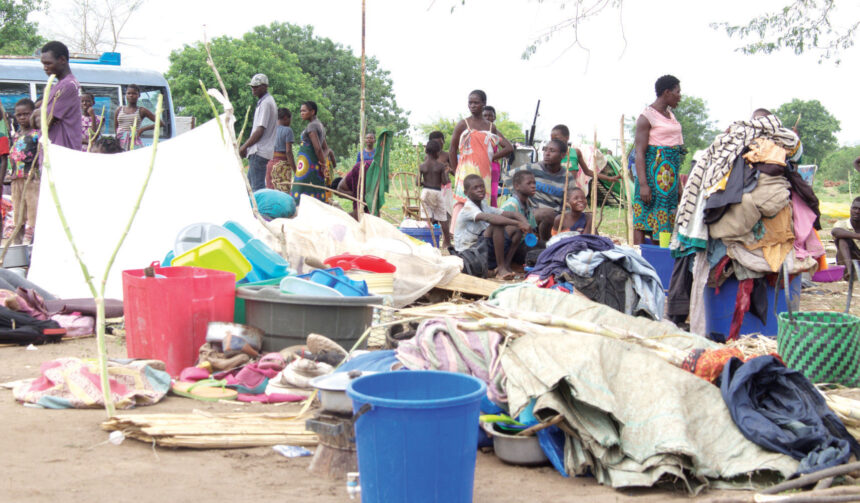
Malawi is currently grappling with fixing the damage caused by Cyclone Freddy which ravaged the country in March this year. That disaster was the sixth in the past eight years.
In January and March last year, cyclones Ana and Gombe also hit the country.
Following drought in 2018, Malawi also experienced Cyclone Idai in March 2019.
In 2016, the country suffered the worst drought in over a decade whose damage and losses were estimated at $365.9 million and required recovery interventions budgeted at $ 500.2 million.
In 2015, floods swept through more than 15 districts of the country. A post-disaster needs assessment report put the total damage and loss at $335 million while total cost of recovery and reconstruction is $494 million.
COP 28 runs from November 30 to December 12. It is being billed as a moment for global stocktake of progress on the COP 2021 Paris Agreement where developed countries reaffirmed to stake the lead in providing financial assistance to countries that are less endowed and more vulnerable to climate shocks.