By Deborah Madeya:
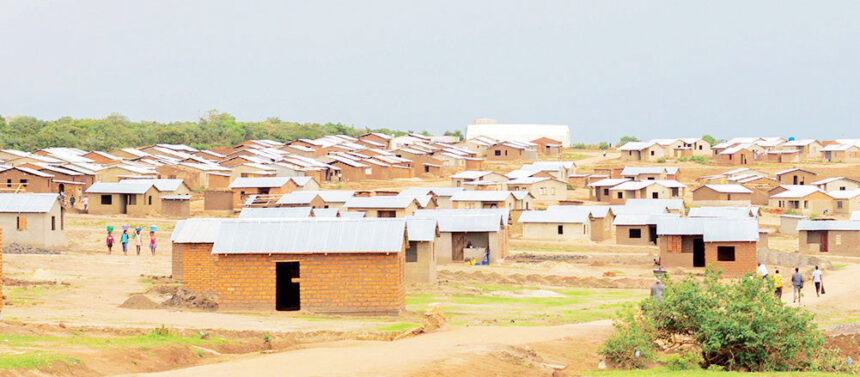
The Department of Refugees, which is under the Ministry of Homeland Security, has said it is still mobilising funds, amounting to $90 million (about K156 billion) to develop the proposed site for refugees’ settlement.
The proposed settlement site is in Kayilizi Village, Senior Chief Mwenewenya, in Chitipa District.
The development of the camp will facilitate the relocation of Dzaleka Refugee Camp in Dowa District to Chitipa.
In July 2023, the Parliamentary Committee on Defence and Security approved 330 hectares of land in Kayilizi, noting that the site has the capacity to accommodate more than 60,000 refugees and asylum-seekers currently residing at Dzaleka camp.
- Advertisement -
Department of Refugees Deputy Commissioner Ivy Chihana told The Daily Times that the proposed land remained undeveloped, although a health centre, primary school and secondary school are available in the surrounding area.
According to Chihana, the department intends to organise a conference this year to mobilise financial support for the project, as no donor funding has been secured.

She further disclosed that the issue of compensation payouts to landowners at the site was under review, adding that a report detailing the amount and beneficiary list would be released soon.
“The department engaged the Ministry of Lands to carry out a compensation assessment exercise. The exercise was completed and a preliminary report was prepared.
- Advertisement -
- Advertisement -
“However, according to procedure, the contents of the preliminary report cannot be disclosed until a validation meeting is conducted at Kayilizi and the final report is produced,” Chihana said.
Meanwhile, refugee rights advocate Innocent Magambi has said it is high time Malawi promoted refugees’ self-reliance instead of donor dependency.
Magambi, who is Inua Advocacy Chief Executive Officer, suggested a review of policies that restrict refugees from undertaking economic activities outside the camp.
“The withdrawal of major donors should be seen as a signal that the current aid-dependent model is becoming unsustainable. Spending $90 million on building a new refugee camp where people, some of whom have lived in Malawi for over 30 years, remain dependent on aid and restricted from working is difficult to justify. With a fraction of that amount, Malawi could invest in refugee integration initiatives that benefit both refugees and Malawian communities,” Magambi said.
Opened in 1994, Dzaleka was originally constructed to host 12,000 people but now accommodates more than 60,000 refugees and asylum-seekers.