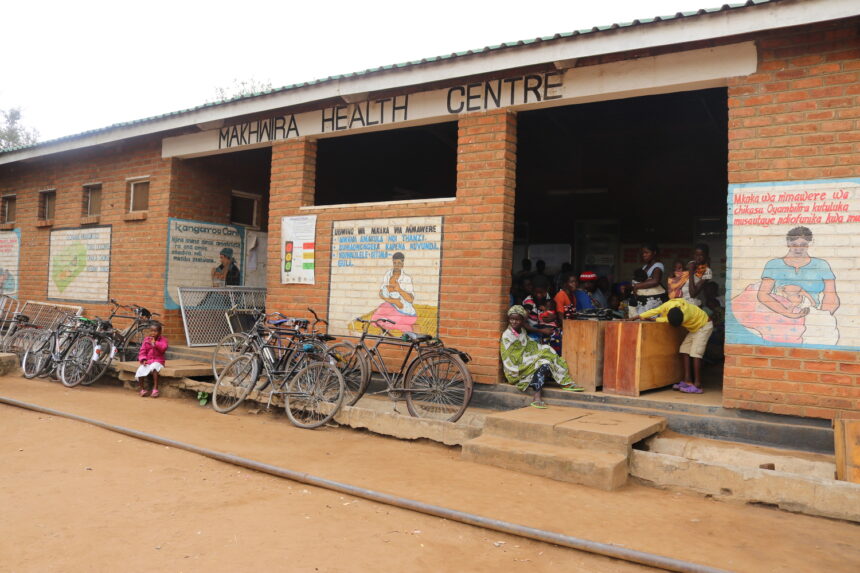
The door to the dimly lit entrance of a clinic in Machinga District creaked open slowly in the late evening, breaking the heavy silence that filled the empty corridor.
A pale girl, barely 16, stepped inside, her hands trembling as she clutched her aching abdomen. Fear flickered in her eyes.
The nurse saw the fear on her face and sensed the truth the girl was too afraid to say aloud. She was not alone.
Across Malawi, where abortion laws are highly restrictive, countless underage girls endure the silent agony of unsafe abortions, many suffering in secrecy, their pain hidden behind closed doors.
They often resort to desperate measures when faced with an unwanted pregnancy.
- Advertisement -
Unregulated pills sold by street vendors, harmful traditional remedies or unsafe procedures carried out in unsanitary conditions are all too common.
The result is a rising tide of medical emergencies and lost lives.
According to the Ministry of Health, approximately 30,000 women and girls receive post-abortion care for complications from unsafe abortions every year.
Unsafe abortions account for an estimated 17 percent of all maternal deaths nationwide.
- Advertisement -
- Advertisement -
In the first few months of 2025 alone, Machinga District had already recorded 350 cases, continuing an upward trend from 978 in 2023 and 1,122 in 2024.
“I have seen many girls who come to us bleeding, afraid to say what happened,” a midwife who has worked in public clinics for over a decade says.
She requested anonymity for fear of professional repercussions.
“These girls are scared; scared of their families, the law and the stigma. We try to care for them without judgement. But sometimes legal obligations force us to do so in secret and inefficiently,” the midwife explains.
Another nurse weighs in.
“It is not just the physical injuries. The emotional trauma is profound. Many feel isolated and ashamed as if they are completely alone,” the nurse says.
At the clinic, the girl recounts her terror upon discovering she was pregnant, admitting she was scared to tell her mother.
She believes her mother, a devout Christian, would have sent her away upon learning she was pregnant.
“I got abortion pills from a man on the street but they did not work properly. When the bleeding started, I was terrified. At the clinic, the nurse was kind but kept asking questions,” the girl says.
Aware that procuring abortions without permission is illegal, she stayed silent because she feared the hospital would call the police.
“People think we do this because we want to, but it is never easy. I just wanted to stop being scared,” the girl says, her voice softening.
Girl rights activist Prudence Chavula, founder of Go Fund a Girl Child, highlights the scale of the abortion crisis.
“Unsafe abortions continue to claim lives because the law does not protect women. We need safe legal options for reproductive health,” Chavula says.
Malawi’s abortion law permits termination only to save the woman’s life or preserve her physical or mental health and requires parental consent for minors.
The restrictions push girls into the shadows, away from safe care.
Yet the country’s National Sexual and Reproductive Health and Rights Strategy states that adolescents have the right to confidential youth-friendly services, a commitment still lagging in practice.
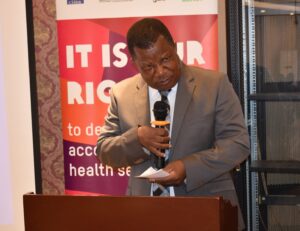
There was renewed political momentum a few months ago, with the then chairperson of the Health Committee of Parliament, Matthews Ngwale, vowing to revive the contentious Termination of Pregnancy Bill and advocate for its passage in Parliament.
Discussions on the Bill were blocked by legislators in 2021 amid strong opposition from various stakeholders including the clergy.
“I am energised because this time it is the people calling for the Bill to be moved in Parliament. The public have understood the importance of changing the laws,” Ngwale said before the momentum died down again and Parliament eventually got dissolved ahead of the September 16 elections.
At that time, he argued that pregnancy termination is fundamentally a human rights issue, insisting that girls and women should not be forced to carry a pregnancy they do not want.
Jenipher Mwale, a participant in a meeting organised by the Sexual and Reproductive Health Rights Alliance, believes the scales tilt in favour of changing the law.
“Ensuring the laws are changed will protect women’s lives and give them the freedom to decide whether to terminate a pregnancy,” she said.
If passed, the Bill would allow women to access abortion beyond the current strict criteria, including cases of incest, rape or where pregnancy endangers physical or mental health.
This would mean significantly expanding access and potentially reducing unsafe abortions.
“We are pushing for a review of the abortion law to include provisions that protect minors seeking reproductive health services confidentially and without fear,” sexual and reproductive health and rights (SRHR) activist Franklin Mphande says.
These efforts align with Malawi’s Collaborative Advocacy Action Plan, launched last year, which targets a reduction in teen pregnancies, expanded access to family planning and greater youth representation in health decisions.
But advocates maintain that until such plans translate into action, unsafe abortions will continue to rise and with them maternal deaths.
Still reform meets resistance.
“Our culture values life and abortion goes against our traditions. But we also recognise the challenges young girls face. We must find a balance that protects our values while caring for our youth,” a traditional leader in Machinga said.
Parents too often feel torn.
“I want to protect my daughter from harm. But I do not know how to talk to her about these issues. It is taboo. If she needed help, I fear she would not come to me,” one mother said during a meeting during which civil society engaged lawmakers on the Termination of Pregnancy Bill.
Advocates such as Mphande argue this silence is dangerous. They challenge all those pushing for law never to tire of their venture.
Mphande is optimistic that the public view will eventually shift and passing the reviewed law will become a necessity among the majority of members of Parliament.
“Malawi is a signatory to the Maputo Plan of Action which commits us to reducing maternal mortality and upholding reproductive rights. But we must match commitments with reality,” he says.
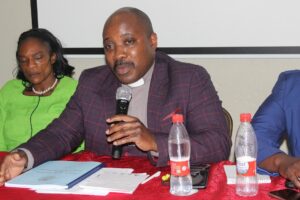
Chairperson of the Religious Leaders Network for Choice, Reverend Cliff Nyekanyeka, stresses the urgency of the matter.
The network has over 1,000 religious leaders supporting legal abortion in Malawi, arguing the current ban is killing women.
“We are calling on Parliament to act urgently to save lives,” Nyekanyeka said some time ago.
Initiatives such as the SRHR, HIV and Aids Governance Project offer hope, aiming to strengthen oversight, increase family planning budgets and put adolescent health at the centre of national policy.
But advocates insist that even with rising investment, change must reach the ground.
“Youth want to be heard, not punished. We need safe spaces where we can ask questions and get help without fear,” a 17-year-old peer educator, Mphatso, says.
Back at the clinic in Machinga, the girl is slowly recovering. She dreams of finishing school and helping others like her.
She says she sometimes feels stories like hers do not matter, as though they are invisible human beings.
“But I want people to know we are not just numbers of secrets. We are scared girls trying to survive. If someone had helped me sooner, maybe I would not be broken,” she whispers, eyes fixed on the falling ceiling above.
Her desire now is to live without fear, finish school and fight off the pain. Her voice trembles but there is a fragile hope behind it.